- Tel: +86-18852916580
- Suzhou CERS Commercial Equipment Co., Ltd.
- Email: [email protected]
- Tel: +86-18852916580
- Suzhou CERS Commercial Equipment Co., Ltd.
- Email: [email protected]


 Español
  عربى
عربى  Deutsch


Metal Shelving Accessories Manufacturers
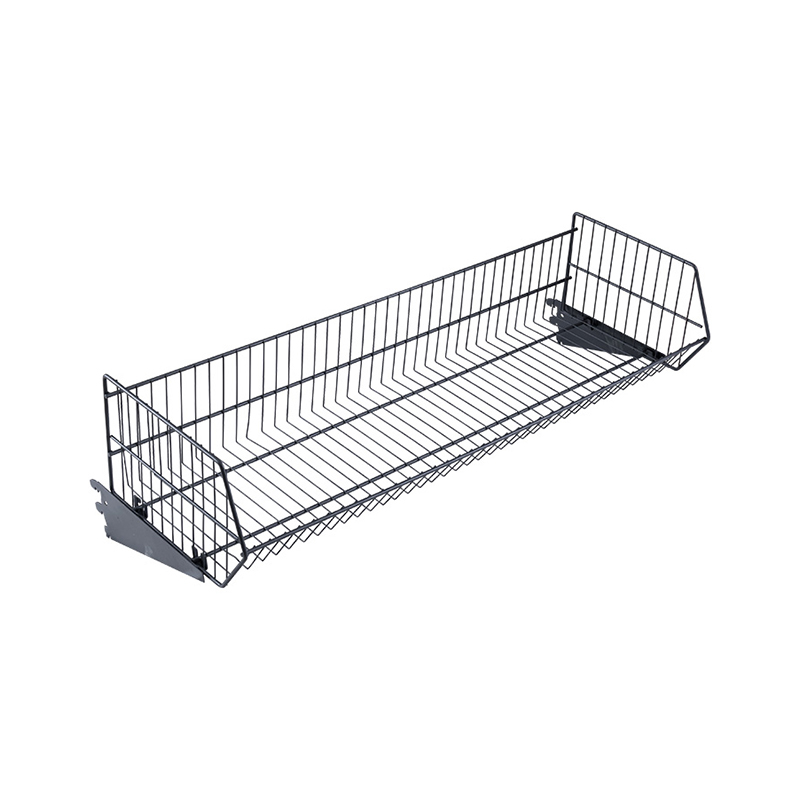
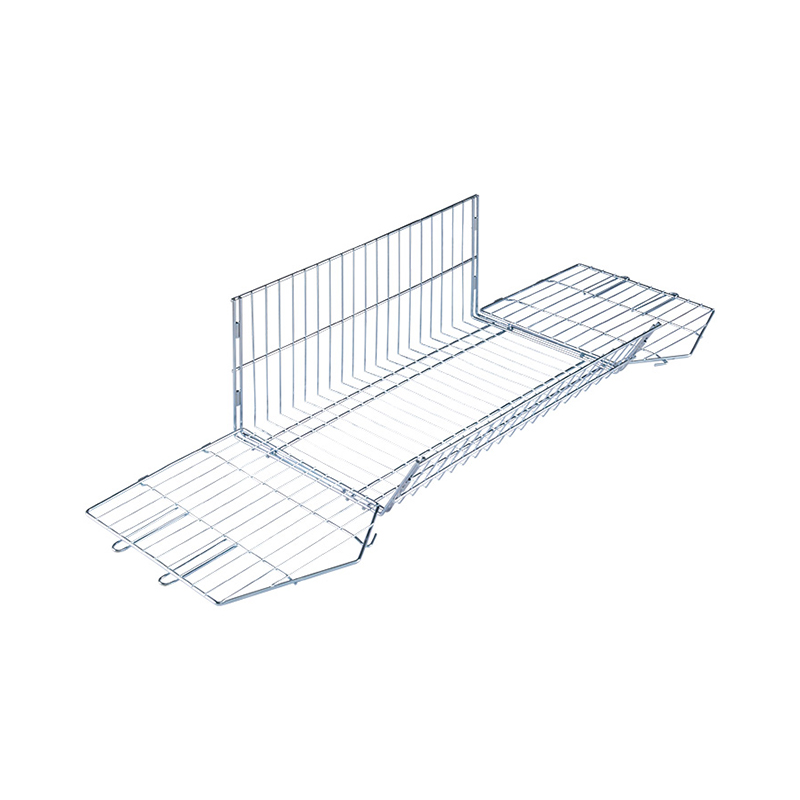
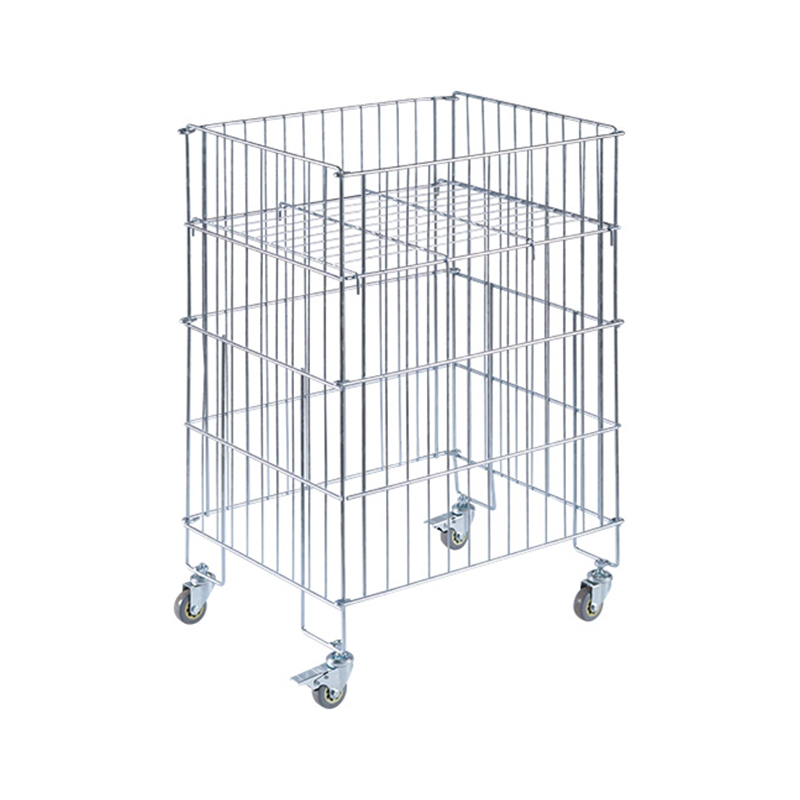
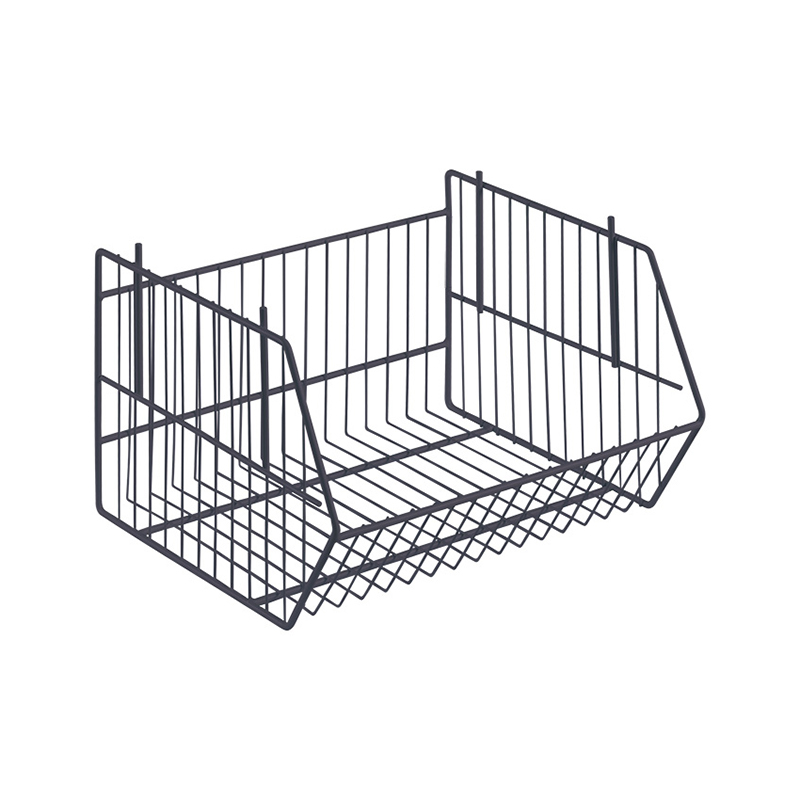
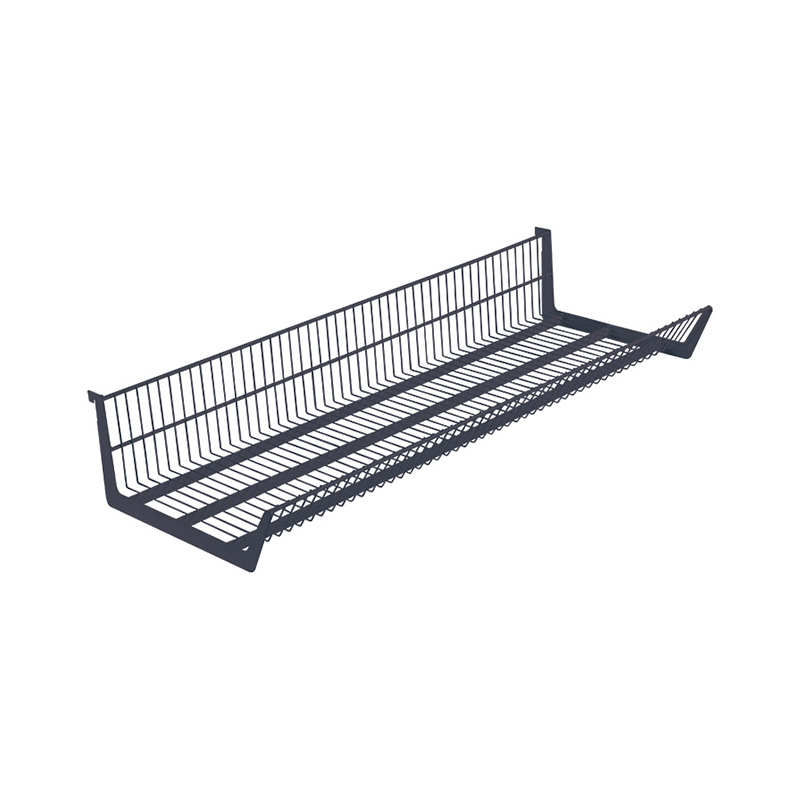
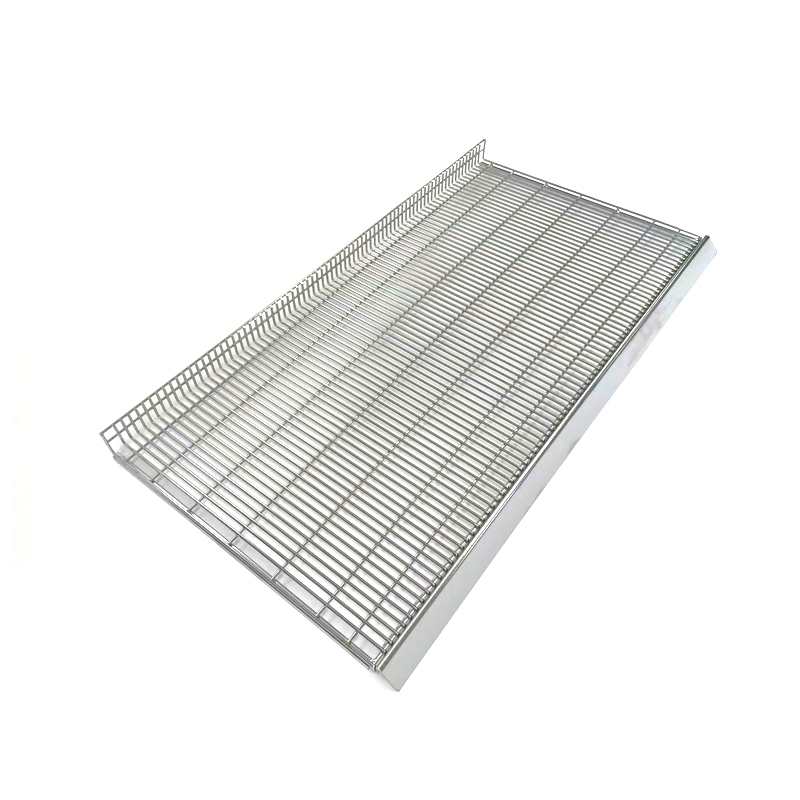
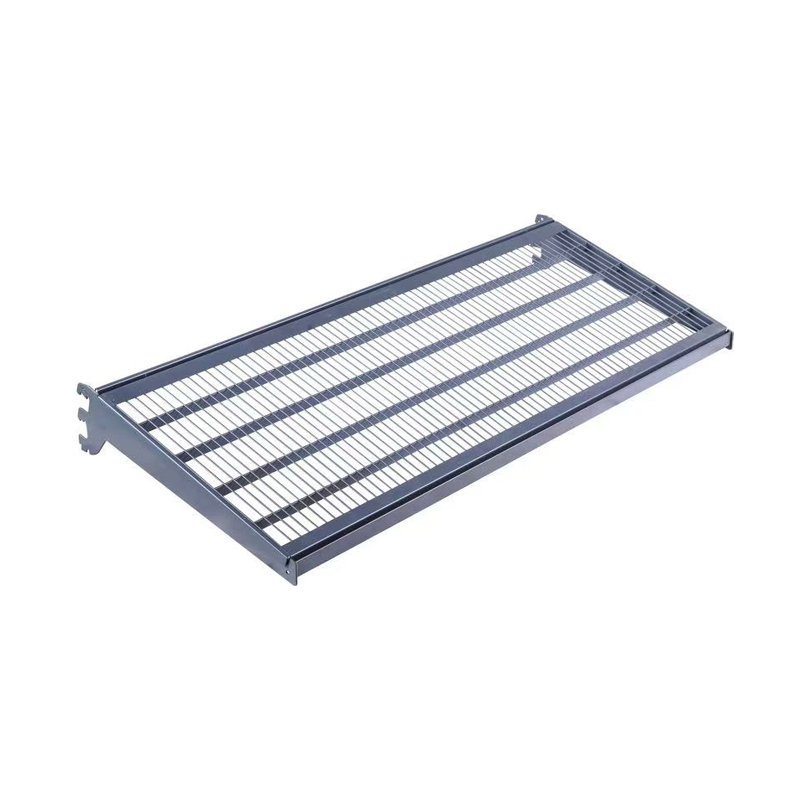
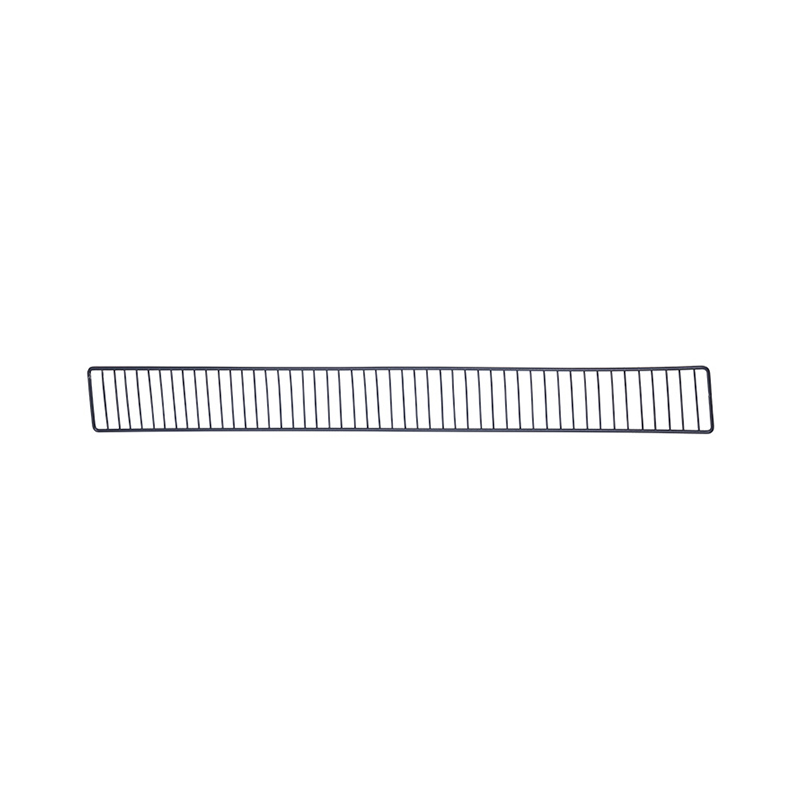
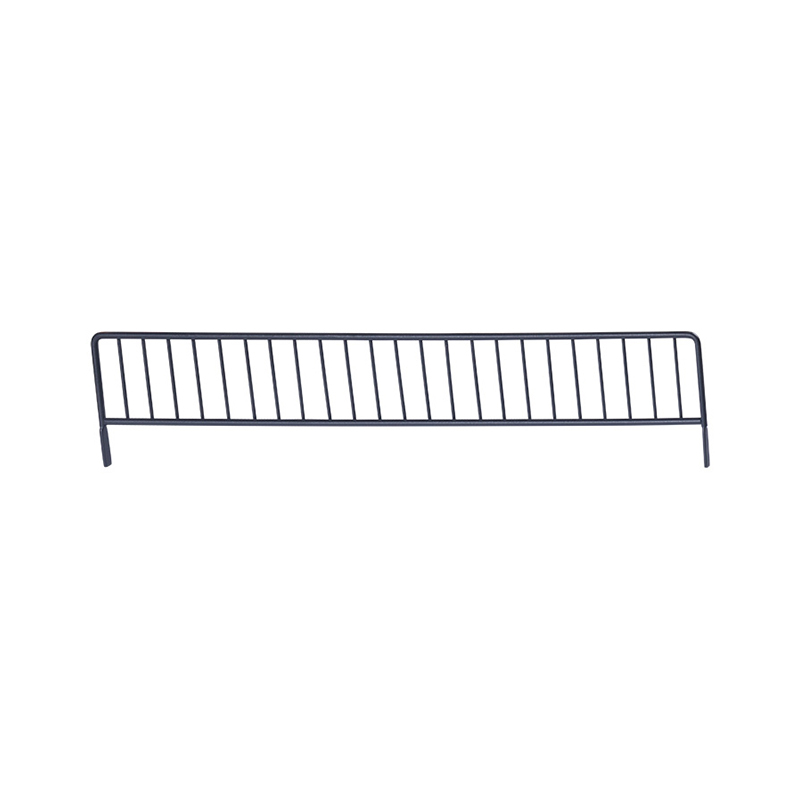
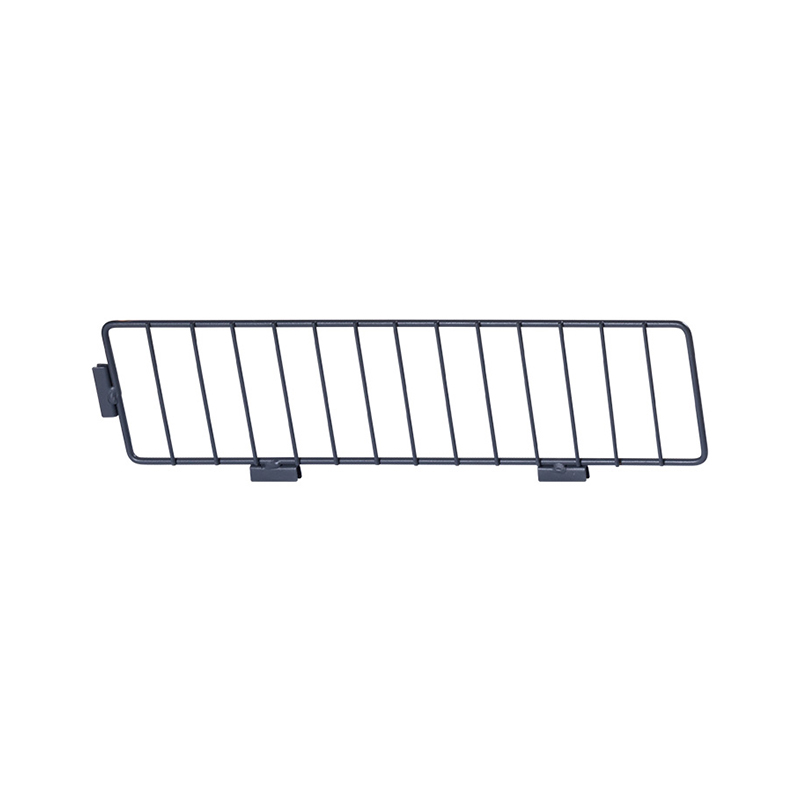
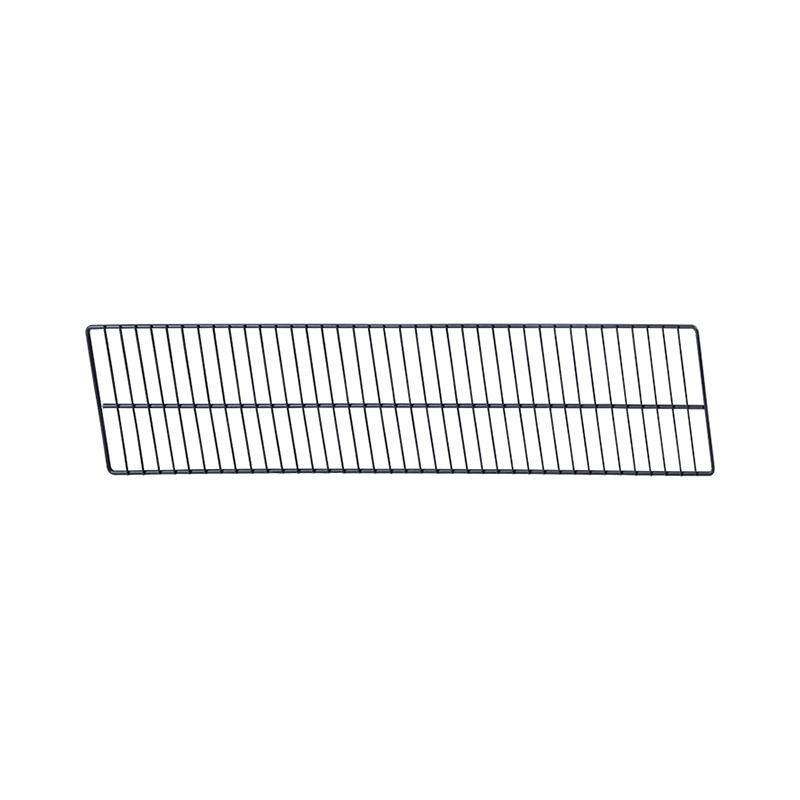
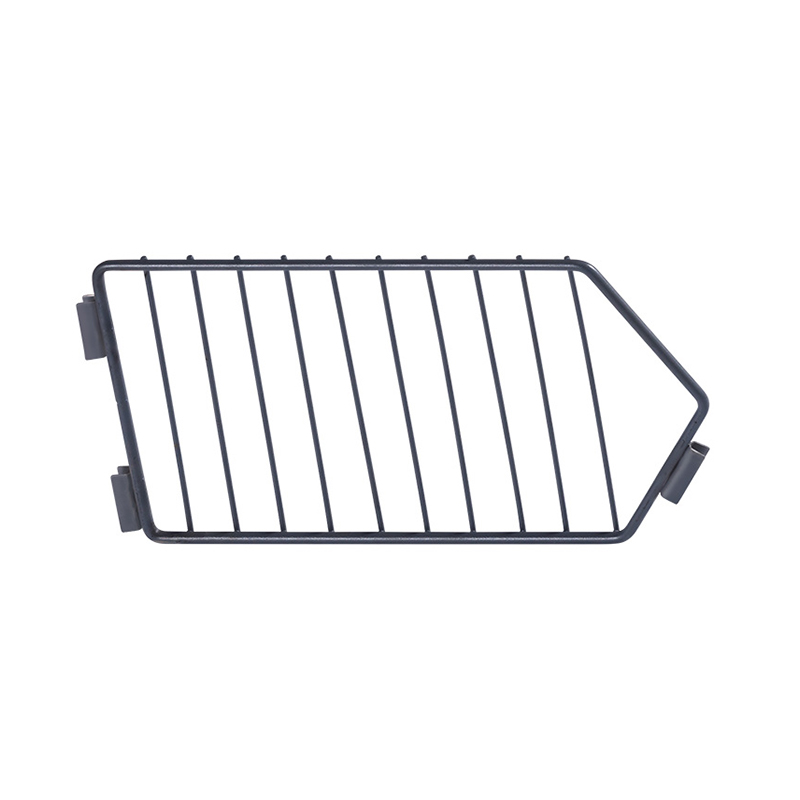
Hook and Bracket Load Ratings You Shouldn't Overlook
At Suzhou CERS Commercial Equipment Co., Ltd., we frequently see retailers underestimate how much a shelf's true capacity depends on its accessories rather than the shelf panel itself. A bracket rated for 30 kg mounted on the wrong slot spacing, or a hook with insufficient wall thickness at the bend radius, can become the actual weak point in an otherwise well-built shelving system. Bracket load ratings are typically tested at a single-point static load, but real-world use often applies dynamic or off-center force, which is why a safety margin below the stated rating is generally advisable for heavier merchandise.
Slot-wall and pegboard hooks add another layer of variability. Double-prong hooks distribute weight across two contact points on the panel, reducing the risk of the panel material deforming around a single insertion point over time — a common failure mode with lightweight single-prong hooks used to display heavier items like tools or bagged goods.
Choosing the right Metal Shelving Accessories for a given product category often comes down to matching hook gauge and bracket profile to the actual weight distribution of what's being displayed, rather than defaulting to a single universal fitting across an entire store.
Corrosion Resistance in High-Humidity Retail Environments
Shelving accessories are often overlooked in corrosion planning even though they're frequently the first components to show rust, particularly in refrigerated sections, coastal-region stores, or facilities with frequent floor washdowns. Zinc electroplating provides a baseline level of protection, but for environments with sustained moisture exposure, a zinc-nickel alloy coating or a full powder-coat finish tends to hold up considerably longer before surface degradation appears.
Small components such as shelf pins, dividers, and end caps are especially prone to being replaced with mismatched, uncoated substitutes during store maintenance, which can introduce galvanic corrosion when dissimilar metals come into contact with each other in a humid environment. This is a detail that's easy to miss during routine upkeep but can shorten the service life of surrounding shelving hardware.
We generally recommend that replacement hardware match the original coating specification rather than being sourced ad hoc, since consistency in surface treatment across a shelving system has a meaningful effect on how uniformly the whole system ages.
Modular Compatibility Across Shelving Systems
One of the more practical challenges retailers face is compatibility between accessories and the specific shelving standard already installed in a store. Slot spacing, panel thickness, and mounting hole diameter vary between manufacturers, and even between different product lines from the same manufacturer, which means accessories designed for one shelving system won't necessarily fit another without modification.
This becomes especially relevant during store renovations or when a retailer sources shelving from multiple suppliers across different regions. Standardizing on a single accessory ecosystem — dividers, price tag rails, security hooks, and end panels all designed around the same base shelving profile — reduces the operational complexity of ordering replacements and cuts down on inventory of near-duplicate parts that don't quite interchange.
Suzhou CERS Commercial Equipment Co., Ltd. designs accessory lines to work as a coordinated system with our shelving products specifically to reduce this kind of fragmentation for clients managing store fitouts across multiple locations or regions.
Merchandising Function Beyond Basic Support
Shelving accessories increasingly play a role in merchandising strategy rather than serving a purely structural function. Adjustable dividers allow product facings to be tightened or widened seasonally, helping maintain a neat, full appearance on shelves even as inventory levels fluctuate. Price tag rails and label holders standardize signage placement, which retail chains rely on for consistent shelf-edge presentation across store locations.
Anti-theft accessories, such as locking hooks or security cable attachments for high-value items, have also become a standard consideration in categories like electronics or cosmetics, where shrinkage rates justify the added hardware cost. Meanwhile, riser shelves and tiered display accessories help retailers create visual hierarchy within a single shelf run, drawing attention to promotional items without requiring a separate fixture.
Selecting well-matched Metal Shelving Accessories ultimately shapes how effectively a shelf can adapt to changing merchandising needs over its lifespan, which is often a more important long-term consideration than the accessories' upfront cost alone.

- Quick Links
- Home
- About Us
- Sustainable
- News
- Contact Us
- Products
- Supermarket shelf
- Storage rack
- Shopping cart
- Shopping basket
- Shelving Accessories
- Display rack
- Contact us
-
-
+86-18852916580

-
[email protected]

-
No. 9 Yongxin Road, Wangzhuang Industrial Park, Shanghu Town, Changshu City, Jiangsu Province, China

-

