- Tel: +86-18852916580
- Suzhou CERS Commercial Equipment Co., Ltd.
- Email: [email protected]
- Tel: +86-18852916580
- Suzhou CERS Commercial Equipment Co., Ltd.
- Email: [email protected]


 Español
  عربى
عربى  Deutsch


Heavy Duty Storage Shelves Manufacturers
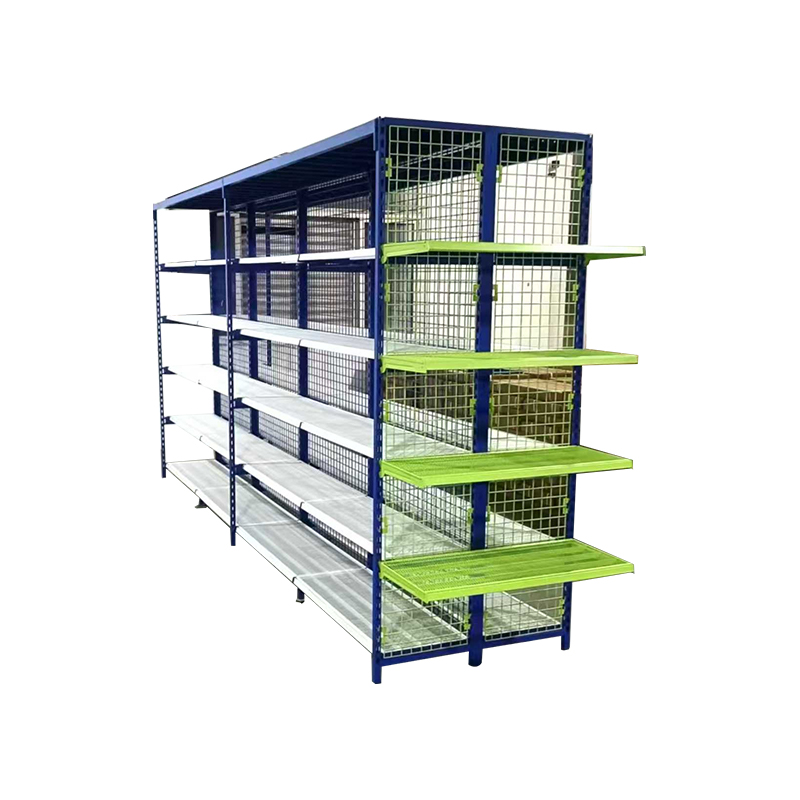
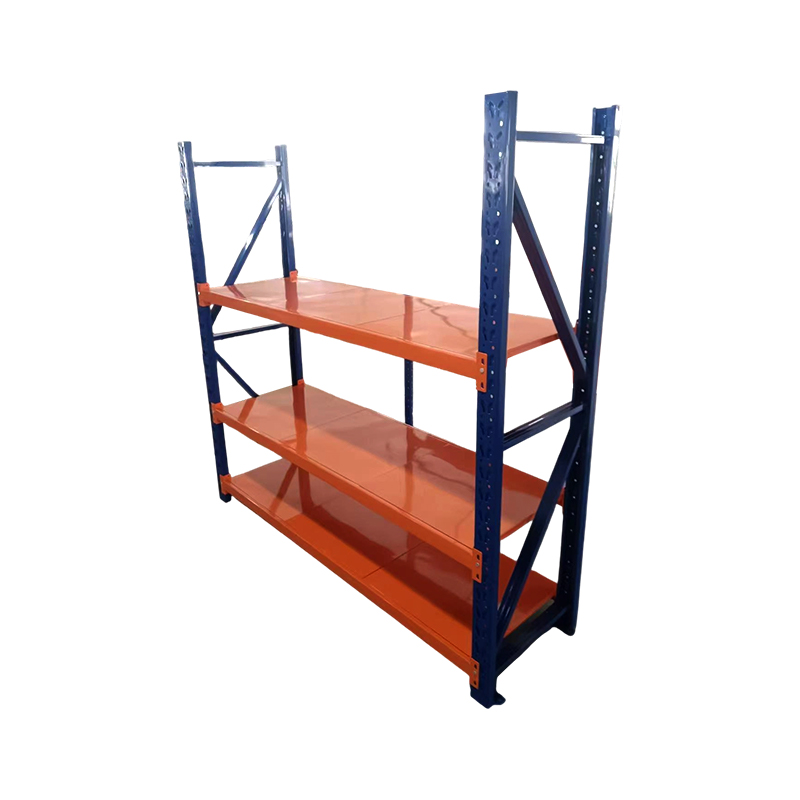
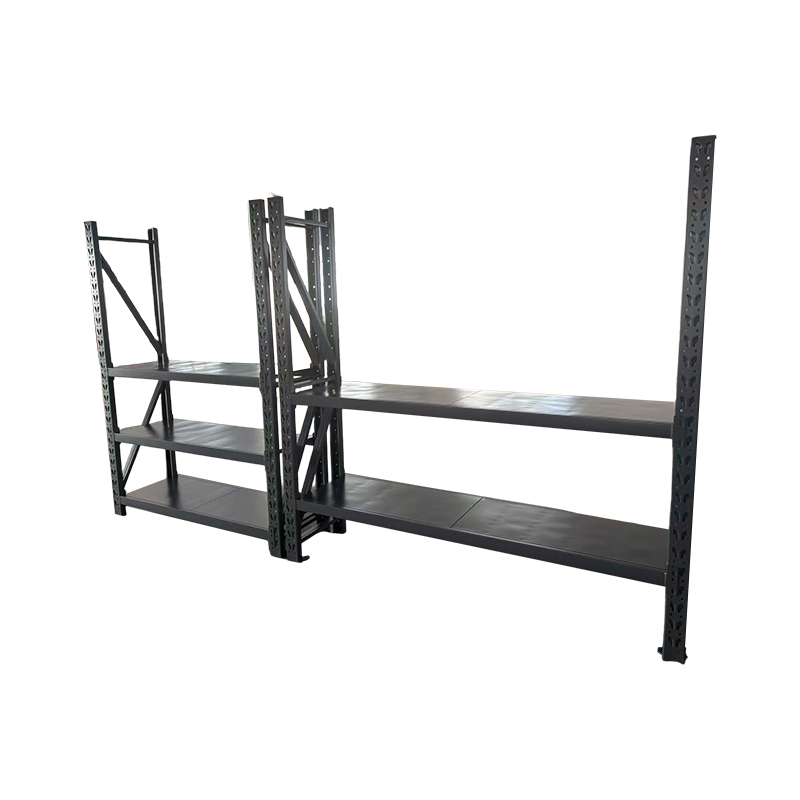
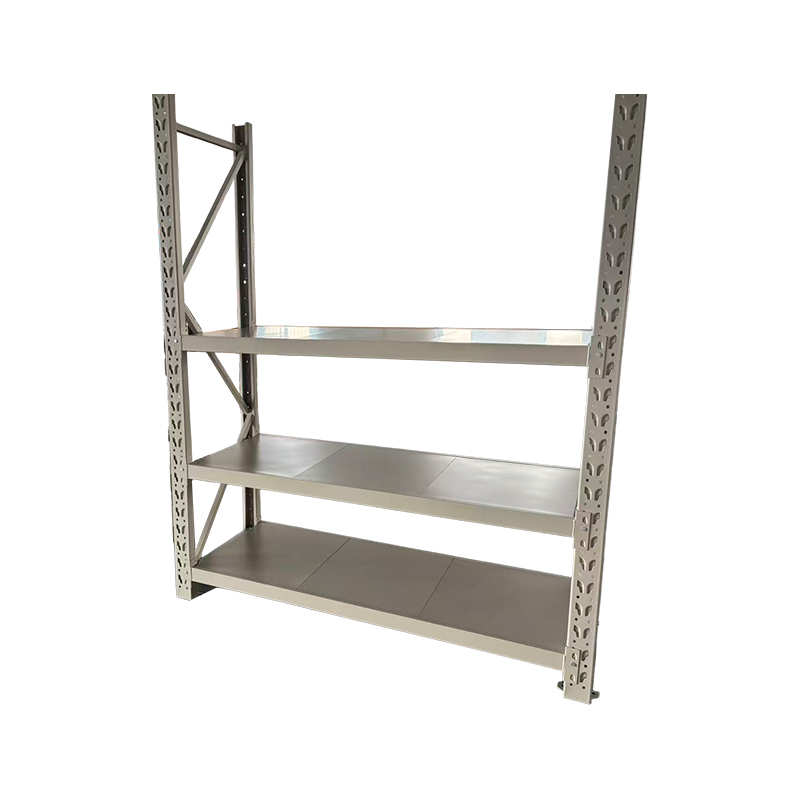
Load Capacity Engineering: What Determines Rack Strength
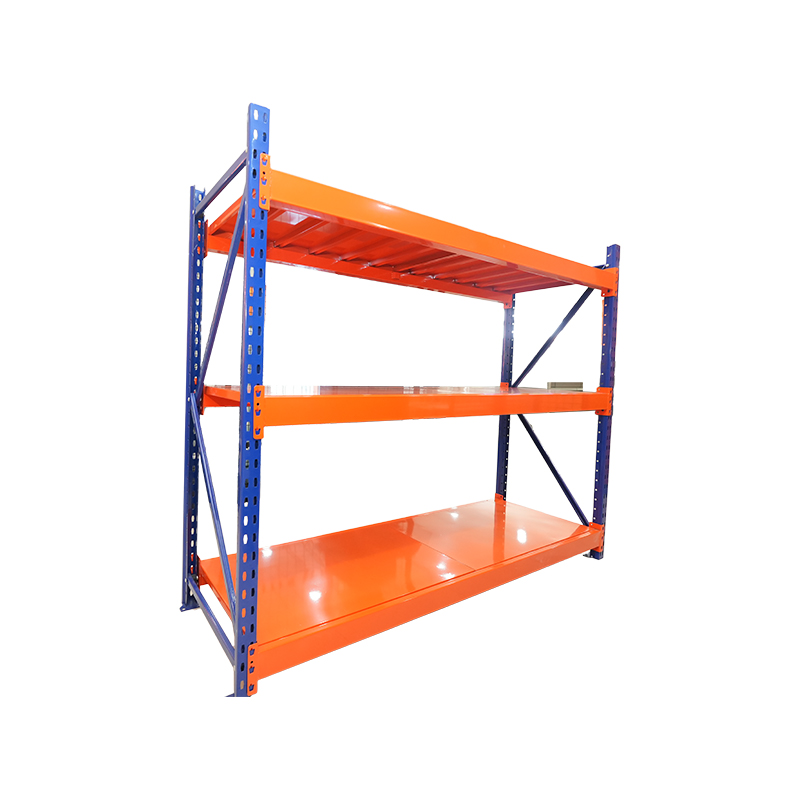
At Suzhou CERS Commercial Equipment Co., Ltd., we often remind warehouse planners that the rated capacity printed on a beam label is only part of the story. The true load-bearing performance of a rack system depends on the interaction between upright frames, horizontal beams, and the connection points that join them. Steel gauge thickness, column profile shape (box, C-channel, or open-back), and the number of bracing points all influence how much weight a bay can safely hold before deflection becomes a concern.
Distributed load versus point load is another distinction worth understanding. A pallet spread evenly across a beam behaves very differently from concentrated weight sitting on a small footprint, and rack designers calculate safe working loads accordingly. Beam deflection limits are typically set at 1/180th of the beam span under full load, a standard that governs how Heavy Duty Storage Shelves are engineered for industrial applications where consistent, repeated loading is the norm rather than the exception.
Seismic zones and floor loading capacity add further variables. Anchoring specifications, base plate sizing, and floor slab thickness all need to align with the rack's structural design, which is why capacity ratings should never be treated as a fixed, one-size-fits-all number across different facilities.
Steel Grades and Manufacturing Processes That Affect Durability
Not all steel used in racking systems performs the same way over time. Cold-rolled steel, commonly used for uprights and beams, offers a favorable strength-to-weight ratio and a smoother surface finish for powder coating adhesion. Hot-rolled steel, by contrast, is sometimes chosen for heavier structural components where raw tensile strength matters more than surface precision.
The forming process matters just as much as the raw material. Roll-forming produces consistent cross-sections with tight tolerances, which is essential for boltless or clip-connection systems where components need to interlock precisely across thousands of units. Laser cutting and CNC punching improve hole alignment accuracy on upright frames, reducing assembly errors on-site. Robotic welding, meanwhile, ensures uniform weld penetration at stress points, an area where manual welding often introduces inconsistency.
Surface treatment is the final safeguard against corrosion. Electrostatic powder coating, applied after a multi-stage degreasing and phosphating pretreatment, creates a bonded finish that resists chipping far better than standard spray paint. For a Steel Storage Rack intended for humid or coastal warehouse environments, this pretreatment stage is often the difference between a system lasting five years or fifteen. It's a detail we pay close attention to during production, since finish quality rarely shows up in a spec sheet but always shows up in the field.
Configuring Rack Systems for Warehouse Layout Efficiency
Beyond individual unit strength, the way racking is configured across a facility has a major impact on operational efficiency. Aisle width, for instance, is determined by the type of material handling equipment in use — narrow-aisle reach trucks allow for tighter spacing and higher storage density than standard counterbalance forklifts, but they also require more precise floor leveling and rack alignment.
Bay sizing should be planned around actual SKU dimensions rather than generic assumptions. Mixing beam levels of varying heights within the same run allows a facility to accommodate both bulky, low-turnover items and smaller, fast-moving stock without wasting vertical cube space. Double-deep or drive-in configurations increase density further, though they trade off some selectivity, since not every pallet position is directly accessible.
Our engineering team at CERS frequently works through these layout trade-offs with clients before finalizing an order, because a rack system that looks efficient on paper can create bottlenecks if picking frequency and travel paths aren't factored into the design from the start.
Safety Compliance and Long-Term Maintenance Practices
Racking safety isn't a one-time installation checklist — it's an ongoing responsibility. Most industry standards, including RMI/ANSI MH16.1 and EN 15512, require periodic inspection of uprights for impact damage, since even minor deformation from forklift contact can significantly reduce load capacity at that point in the frame. Facilities are generally advised to conduct visual inspections monthly and formal documented inspections at least annually.
Color-coded damage indicators, row-end protectors, and column guards are low-cost additions that prevent a large share of avoidable impact damage. Load capacity signage at the end of each bay is also required in most jurisdictions, and it should reflect the actual as-built configuration rather than a generic default, since field modifications like added shelving or altered beam spacing can change the safe working load.
Replacement of damaged components should always use parts rated for the original system rather than generic substitutes, as mismatched components can compromise the structural integrity of an entire bay. Taking maintenance seriously from day one is, in our experience, the single biggest factor in whether a racking system continues to perform reliably a decade after installation.

- Quick Links
- Home
- About Us
- Sustainable
- News
- Contact Us
- Products
- Supermarket shelf
- Storage rack
- Shopping cart
- Shopping basket
- Shelving Accessories
- Display rack
- Contact us
-
-
+86-18852916580

-
[email protected]

-
No. 9 Yongxin Road, Wangzhuang Industrial Park, Shanghu Town, Changshu City, Jiangsu Province, China

-

