- Tel: +86-18852916580
- Suzhou CERS Commercial Equipment Co., Ltd.
- Email: [email protected]
- Tel: +86-18852916580
- Suzhou CERS Commercial Equipment Co., Ltd.
- Email: [email protected]


 Español
  عربى
عربى  Deutsch


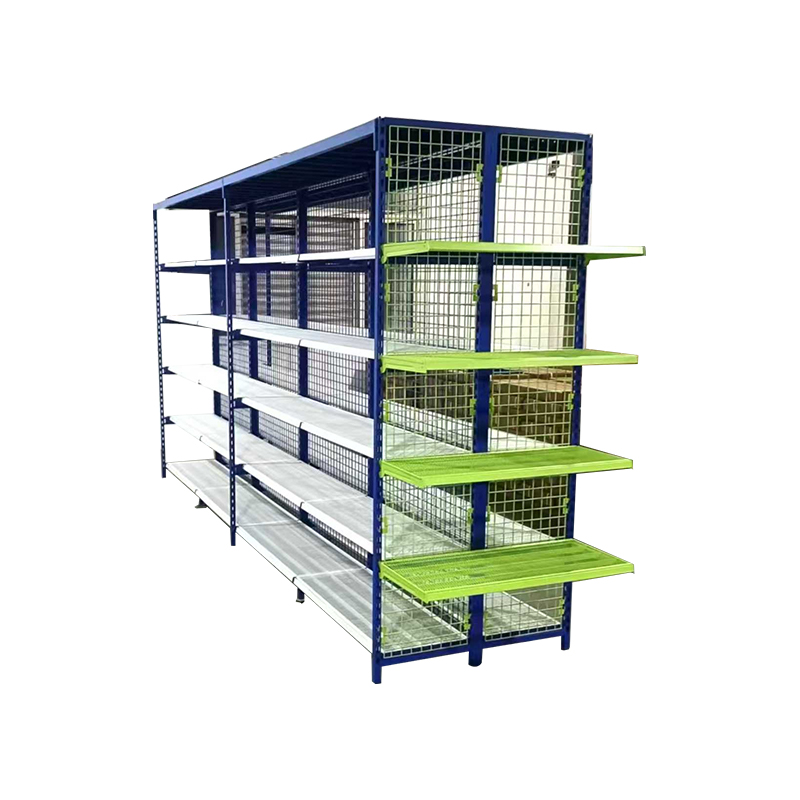
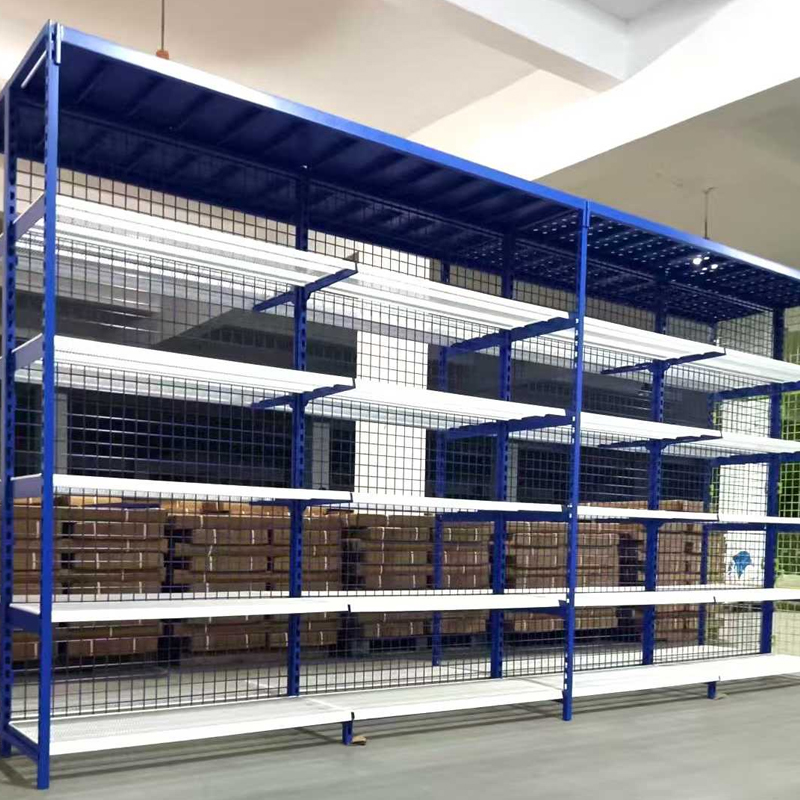
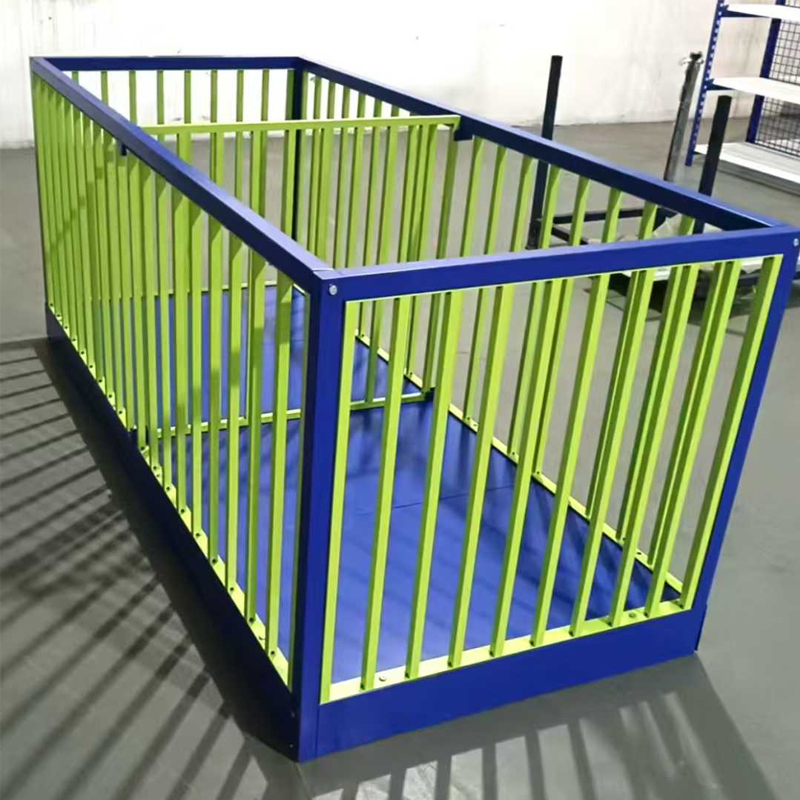
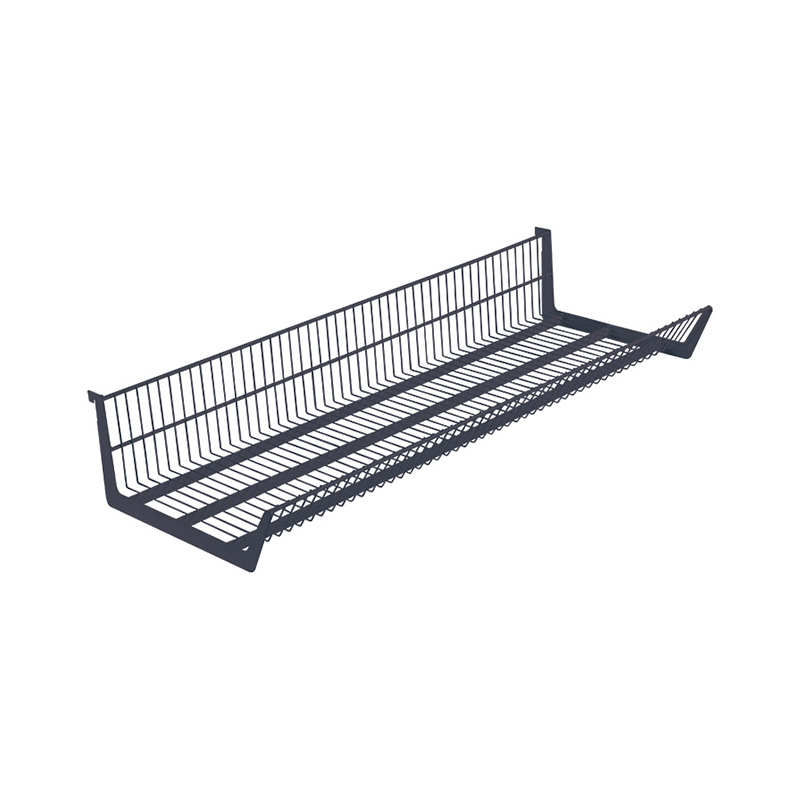
Warehouse Storage Rack
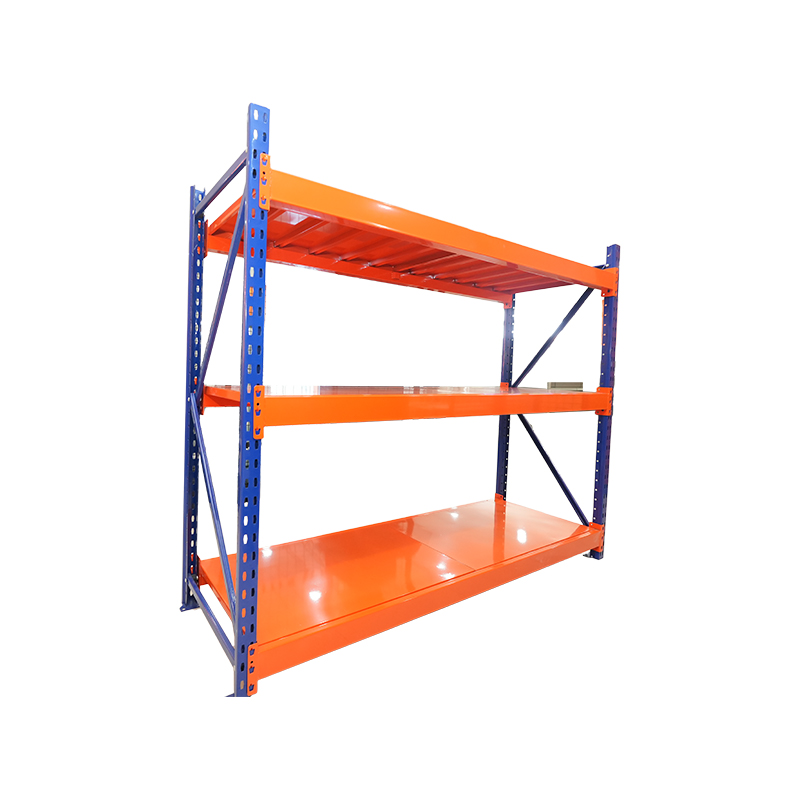
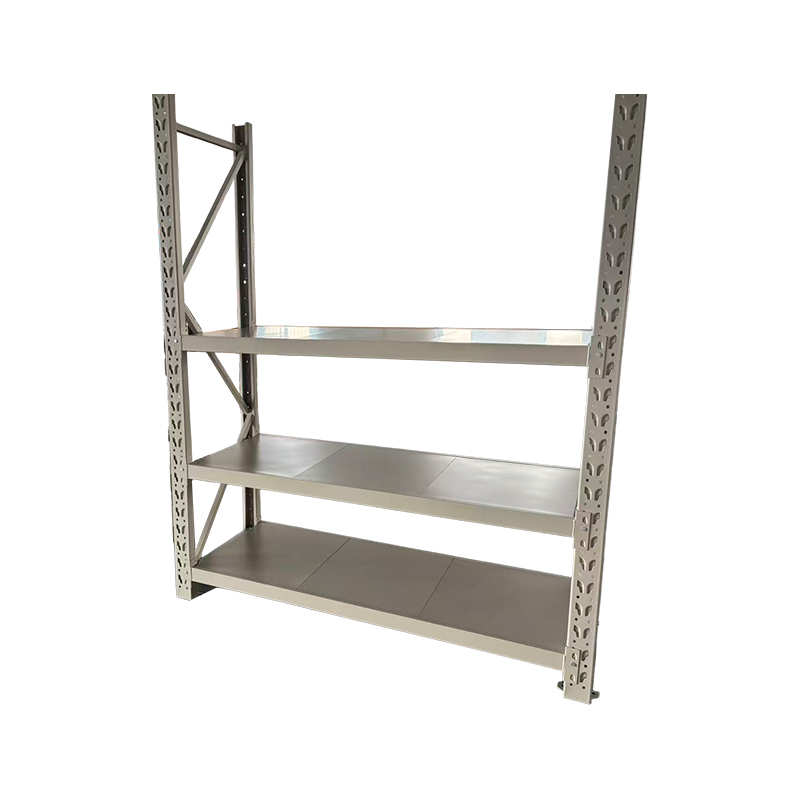
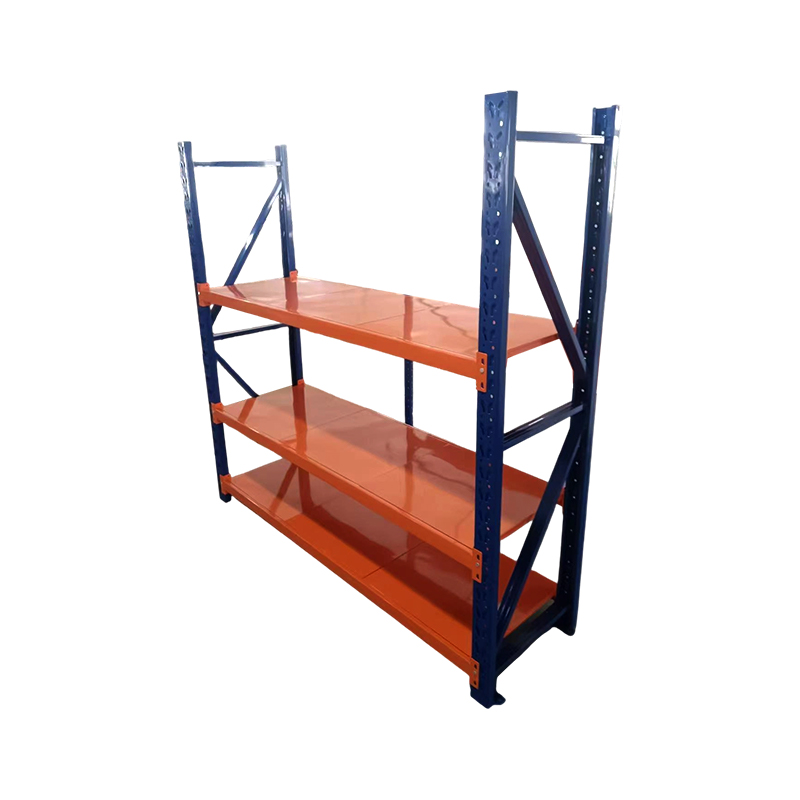
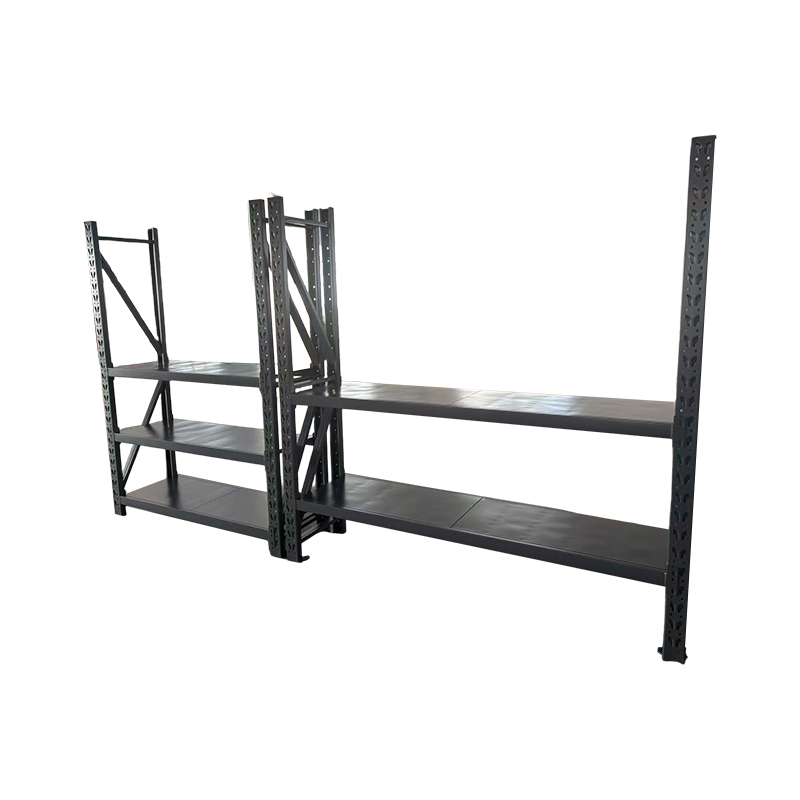
The warehouse storage rack is a general-purpose industrial storage solution suitable for layered storage and organized management of materials in various production workshops, logistics centers, and warehouse settings. It is constructed from cold-rolled steel and square tubes, processed through laser cutting, bending, spot welding, grinding, and electrostatic powder coating. This rack features a frame-type structure, with shelf quantity, spacing, column cross-section dimensions, and load capacity configurable based on actual storage requirements. Fixed feet or adjustable leveling feet can be selected for the base to accommodate different floor conditions. Dimensions, color, and material configuration can be fully customized according to customer weight capacity requirements, making the rack suitable for storage scenarios ranging from light-duty parts to heavy-duty case-packed materials.

Dimensions and colors can be customized.
Material configuration is customized according to customers’ load‑bearing requirements.
Core Advantages
Adjustable load capacity – Material configuration is customized based on customer weight requirements. Column wall thickness, beam specifications, and shelf thickness can be designed according to actual load requirements, accommodating storage needs from light-duty to heavy-duty materials.
Space utilization – Multi-tier structural design with shelf quantity and spacing flexibly adjustable based on material height, maximizing vertical storage capacity within the same floor area.
Structural stability – Uprights are cold-formed with integrated stiffening ribs. Beams and uprights are connected via bolts or clips to form a stable frame, resisting lateral thrust and vibration under load.
Floor adaptability – Adjustable leveling feet can be optionally equipped to compensate for minor unevenness on concrete, epoxy, or hardened floors, eliminating the need for floor anchors or secondary leveling.
Coating durability – Electrostatic powder coating provides adhesion meeting cross-cut test requirements, with corrosion and scratch resistance. Color stability is maintained under indoor environmental conditions.
Full customization flexibility – Overall dimensions, shelf quantity and spacing, column wall thickness, beam specifications, finish color, and base structure can be adjusted based on material specifications, storage plans, and load requirements, with production made to order.
Product Features
Dimensions: Customizable according to customer requirements
Surface finish: Electrostatic powder coating (color customizable)
Primary materials: Cold-rolled steel (uprights and shelves), square tube (beams and connectors)
Manufacturing processes: Laser cutting, bending, spot welding, grinding, electrostatic powder coating, etc.
Configuration: Frame-type structure with adjustable shelf quantity and spacing
Base structure: Fixed feet or adjustable leveling feet (optional)
Load rating: Material configuration based on customer weight capacity requirements
Suitable environment: Indoor environments including industrial warehousing, production workshops, logistics centers, normal temperature and humidity conditions
Customization: Overall dimensions, column wall thickness, number and spacing of shelves, beam specifications, powder coating color, base structure
Application Scenarios
Industrial production workshops – Layered storage and inter-process flow of raw materials, semi-finished goods, tooling fixtures, and finished components.
Logistics warehousing centers – Categorized stacking and rapid access of case-packed materials, palletized goods, and totes.
E-commerce fulfillment warehouses – Zoned storage and picking of small to medium-sized merchandise.
Wholesale and retail enterprises – Bulk storage and inventory management of large-quantity goods and packaged finished products.
FAQ & Precautions
Frequently Asked Questions
How is the load capacity of the rack determined?
Load capacity is calculated based on the unit weight of materials provided by the customer, the quantity stored per tier, and the total storage height. The manufacturer will determine column wall thickness, beam specifications, and shelf thickness according to actual load requirements to ensure load safety.
Can the overall dimensions of the rack be customized?
Yes. Length, width, and height dimensions can be adjusted based on site space and material specifications. It is recommended to provide site layout plans and material dimensions during customization for optimized layout design.
Can shelf spacing be adjusted?
Yes. Shelves are connected to uprights via brackets or clips. Uprights feature evenly spaced mounting holes, allowing flexible shelf spacing adjustment within a certain range.
Does the rack come with adjustable leveling feet?
Fixed feet are provided as standard. If the floor is slightly uneven, adjustable leveling feet (20–50 mm compensation range) can be selected as an option during customization.
What information should be provided during customization?
It is recommended to provide the following information: unit weight of materials, quantity per tier, total storage height or number of tiers, available site space (L×W×H), floor flatness condition, and preferred color (if applicable).
Precautions
During installation, ensure all feet make solid contact with the floor and verify the rack verticality with a spirit level. If the floor is uneven and leveling feet are not selected, floor leveling should be performed prior to installation to prevent structural deformation under load.
When storing items, distribute the weight evenly across each shelf surface to prevent concentrated loads from causing bending deformation.
Do not exceed the rated load capacity provided by the manufacturer. Overloading may cause structural deformation or safety hazards.
Before relocating the rack, unload all items and lift the rack off the ground. If adjustable leveling feet are equipped, raise the feet off the ground before moving, and re-level and lock the nuts after repositioning.
If the coating becomes scratched or chipped, apply rust-preventive treatment promptly to prevent substrate oxidation and corrosion in humid environments.
Periodically check the tightness of connection bolts and clips. For racks used in high-load or vibration-prone environments, inspection intervals should not exceed 6 months.
Dimensions and colors can be customized.
Material configuration is customized according to customers’ load‑bearing requirements.

- Quick Links
- Home
- About Us
- Sustainable
- News
- Contact Us
- Products
- Supermarket shelf
- Storage rack
- Shopping cart
- Shopping basket
- Shelving Accessories
- Display rack
- Contact us
-
-
+86-18852916580

-
[email protected]

-
No. 9 Yongxin Road, Wangzhuang Industrial Park, Shanghu Town, Changshu City, Jiangsu Province, China

-

