- Tel: +86-18852916580
- Suzhou CERS Commercial Equipment Co., Ltd.
- Email: [email protected]
- Tel: +86-18852916580
- Suzhou CERS Commercial Equipment Co., Ltd.
- Email: [email protected]


 Español
  عربى
عربى  Deutsch


Single Wire Display Hook Manufacturers
Wire Gauge and Diameter: The Real Determinants of Holding Strength
The load capacity of a wire hook has less to do with its overall length than most buyers assume, and far more to do with wire diameter and the steel's tensile properties. A hook formed from 4mm high-carbon steel wire will noticeably outperform a 3mm mild-steel equivalent under the same bend radius, even if the two hooks look nearly identical on a display wall. At Suzhou CERS Commercial Equipment Co., Ltd., wire selection is treated as the starting point of the design process rather than a fixed input, since the same hook profile can be produced in multiple wire grades depending on the intended product weight class.
Cold-drawn wire, which is stretched through a series of dies to reduce diameter while work-hardening the steel, offers higher yield strength than hot-rolled wire of the same gauge. This matters most at the bend points, where stress concentrates during forming, and where a hook is most likely to deform under sustained or repeated loading over months of retail use.
Deflection under load is another factor worth understanding. Even hooks rated well within their maximum capacity will bow slightly under sustained weight; the question is whether that deflection is elastic — meaning the hook returns to its original shape once unloaded — or plastic, meaning permanent bending has occurred. Quality wire hooks are engineered so that normal merchandising loads stay well within the elastic range.
Tip Design and Safety in Customer-Facing Environments
Hook tip design is a small detail with outsized safety implications. An open, exposed wire end poses a genuine scratch or puncture risk in a retail setting where customers are reaching, browsing, and often distracted. This is why most retail-grade hooks incorporate either a rolled-back tip, a plastic ball cap, or a fully looped end — each offering a different balance of safety, cost, and ease of loading merchandise.
Ball-tip caps are popular in categories like cosmetics or small electronics accessories, where products are packaged with a hang hole and slid directly onto the hook; the rounded cap prevents the packaging hole from catching or tearing during restocking. For heavier or bulkier items, a wider safety loop at the tip serves a similar protective function while also acting as a stop that keeps merchandise from sliding off during vibration or accidental jostling.
A well-designed Single Wire Display Hook balances this safety detailing against the hook's overall profile, since an oversized tip cap can sometimes interfere with tightly packed product spacing on a busy merchandising wall.
Mounting Compatibility Across Pegboard, Slotwall, and Gridwall Systems
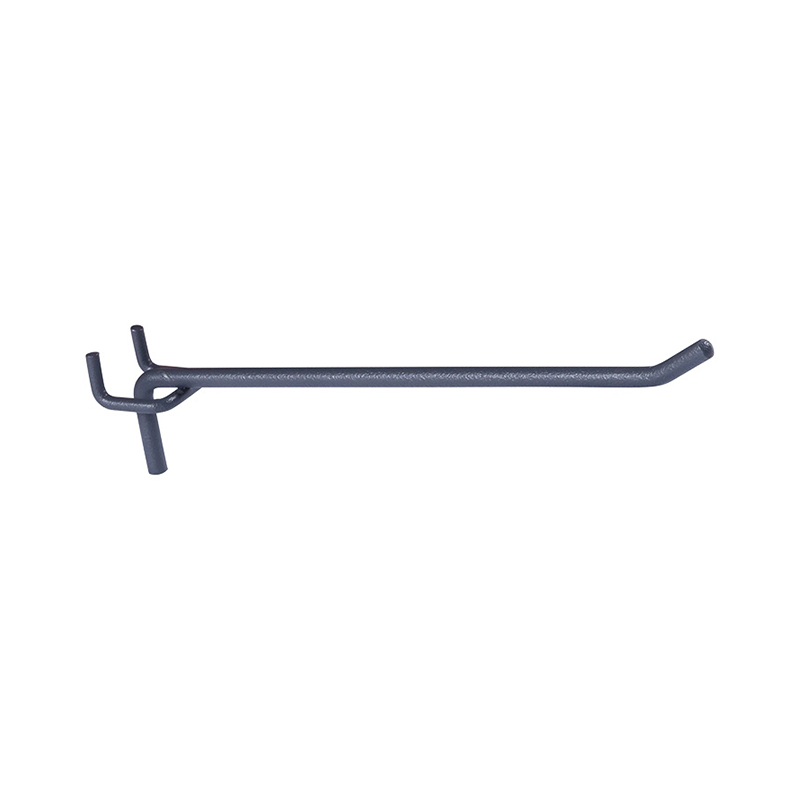
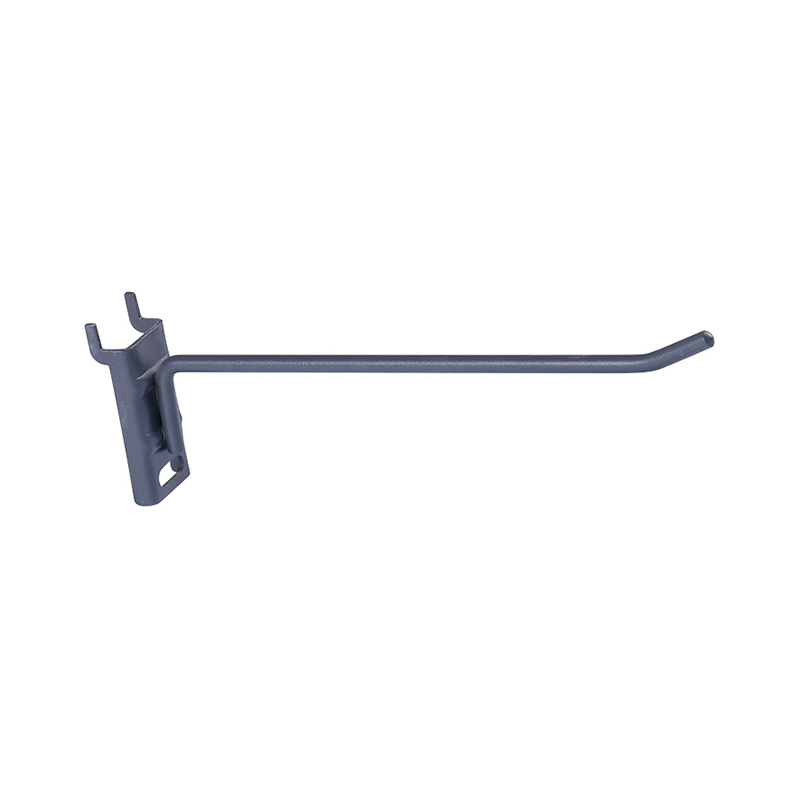
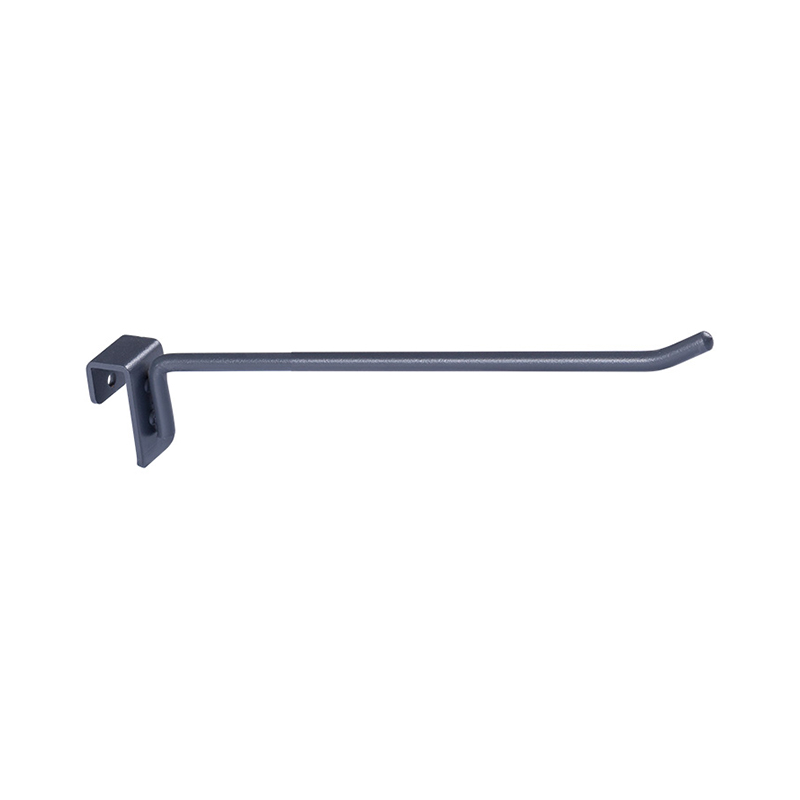
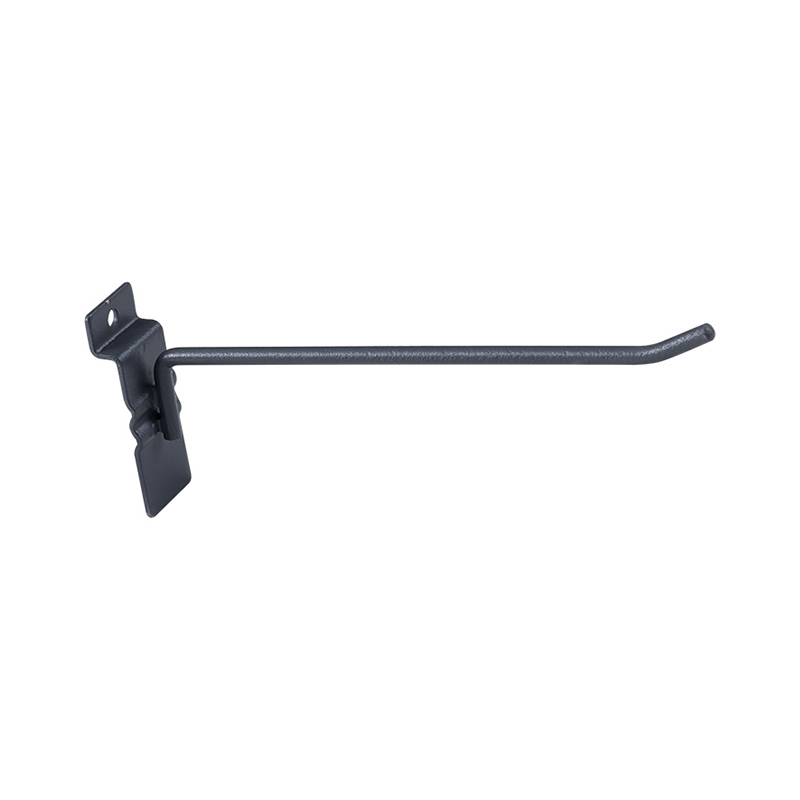
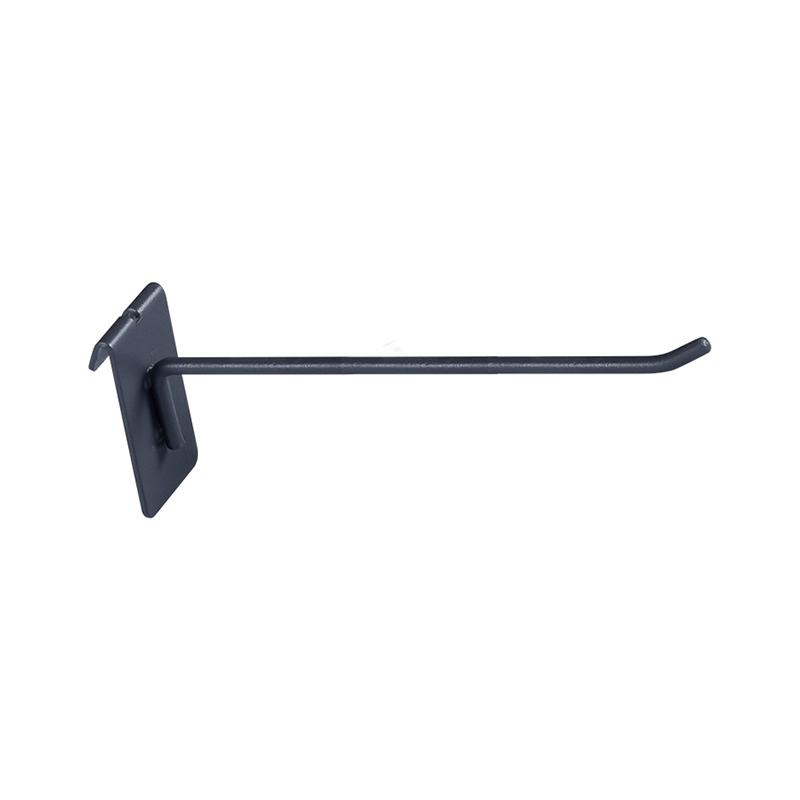
Not every wire hook fits every display surface, and mismatched mounting is one of the most common frustrations retailers encounter when sourcing hardware separately from their wall systems. Pegboard hooks require a base pin diameter matched to standard hole spacing, typically on a 25mm grid, with the pin length calibrated to the board's thickness so the hook seats securely without excessive play.
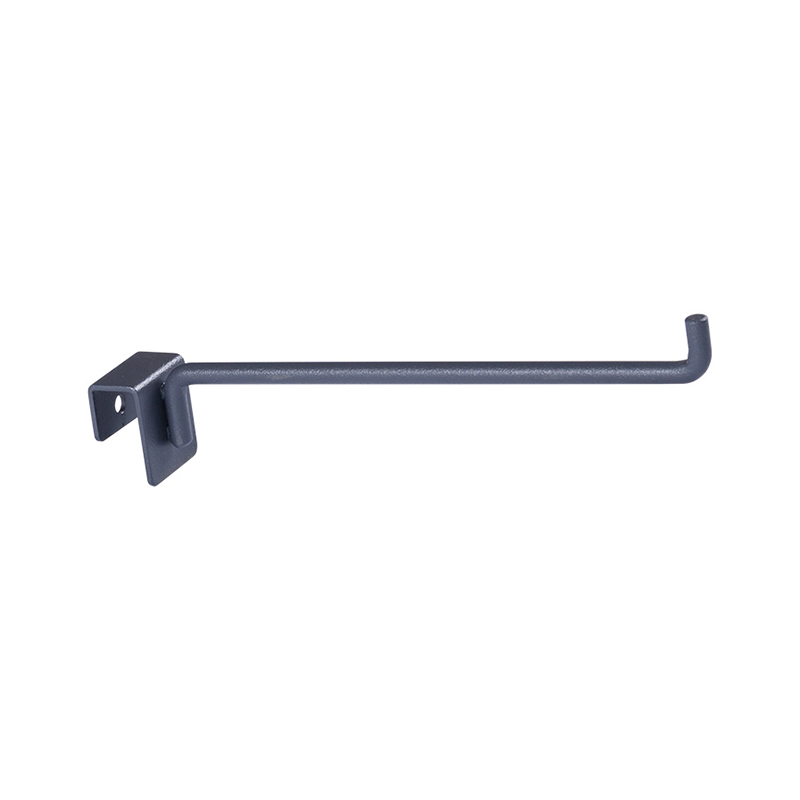
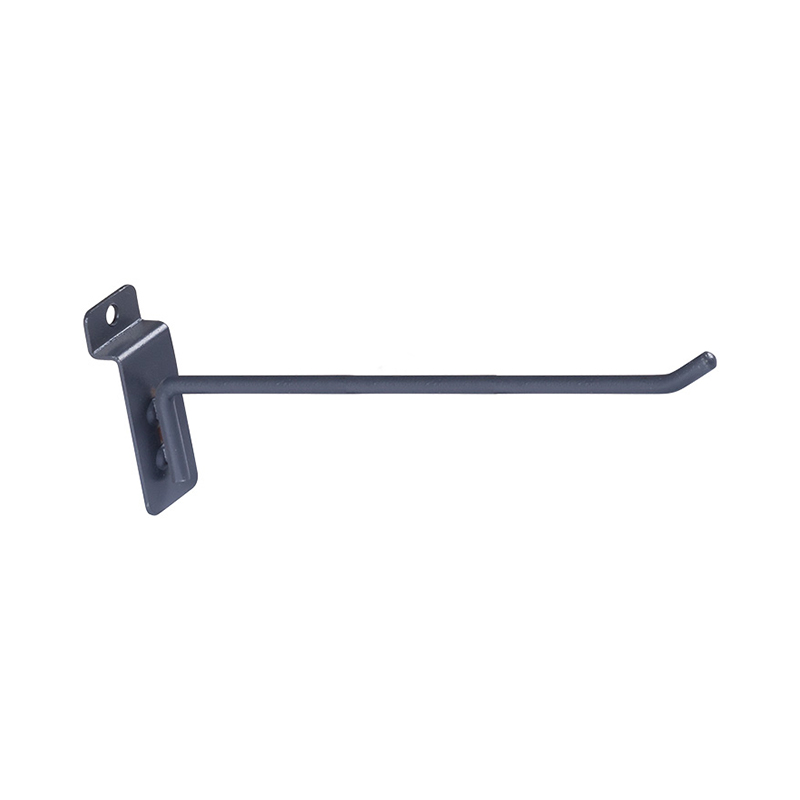
Slotwall hooks use a flat, notched insert designed to lock into the horizontal slot channel, and this insert geometry varies enough between manufacturers that a hook designed for one slotwall profile may sit loosely, or not insert at all, on another. Gridwall applications require yet another mounting style, typically a hook with a formed clip that wraps around the wire grid itself rather than inserting into a panel.
We've found that retailers managing multi-brand or multi-format stores benefit most from standardizing hook mounting styles across locations, since it simplifies restocking logistics and reduces the chance of staff installing a hook that isn't rated for the wall system it's placed on.
Coating Durability and Matching Hooks to Product Categories
Surface finish affects both appearance and lifespan. Chrome-plated hooks offer a bright, reflective finish well suited to display environments where hardware visibility is part of the presentation, such as jewelry or accessory walls, but chrome plating can be prone to surface scratching under heavy restocking cycles. Powder-coated black or white finishes, while less reflective, tend to hold up better against repeated handling and are often chosen for high-turnover sections like hardware or grocery non-food aisles.
Hook angle and length should also be matched to product category rather than applied uniformly across a store. A shallow downward angle works well for lightweight blister-packed goods, while a steeper upward angle near the tip helps retain heavier items like tool sets or bagged hardware from sliding forward under their own weight.
Because product categories vary so widely in weight, packaging style, and display context, Suzhou CERS Commercial Equipment Co., Ltd. produces a Single Wire Display Hook in multiple gauge, length, and finish combinations rather than a single generic version, allowing retailers to match hardware specifications to the actual merchandise being displayed instead of over- or under-engineering the fixture.

- Quick Links
- Home
- About Us
- Sustainable
- News
- Contact Us
- Products
- Supermarket shelf
- Storage rack
- Shopping cart
- Shopping basket
- Shelving Accessories
- Display rack
- Contact us
-
-
+86-18852916580

-
[email protected]

-
No. 9 Yongxin Road, Wangzhuang Industrial Park, Shanghu Town, Changshu City, Jiangsu Province, China

-

