- Tel: +86-18852916580
- Suzhou CERS Commercial Equipment Co., Ltd.
- Email: [email protected]
- Tel: +86-18852916580
- Suzhou CERS Commercial Equipment Co., Ltd.
- Email: [email protected]


 Español
  عربى
عربى  Deutsch


Caster and Wheel Engineering Behind Smooth Maneuverability
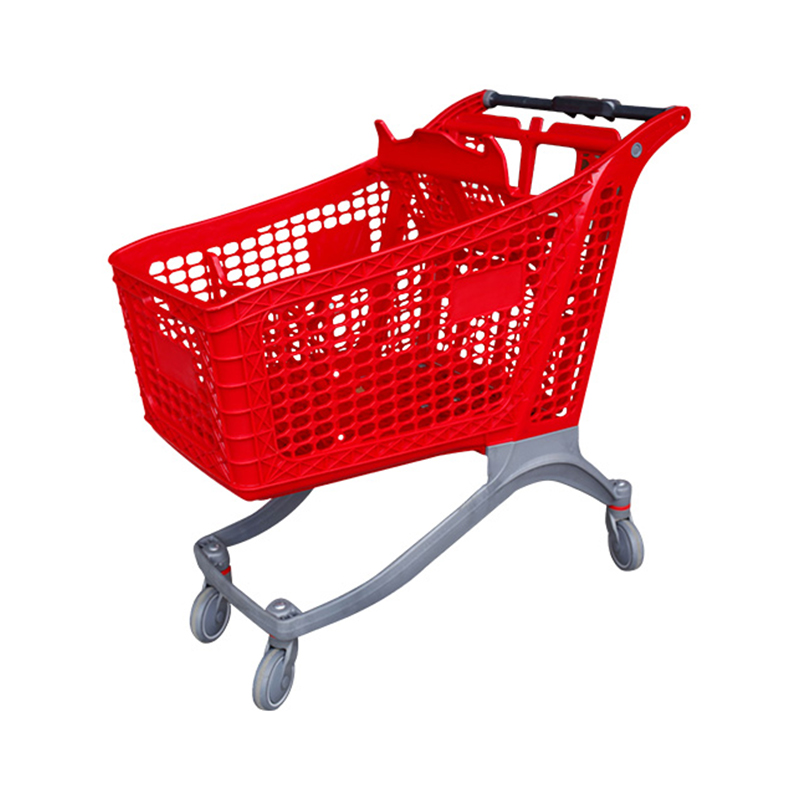
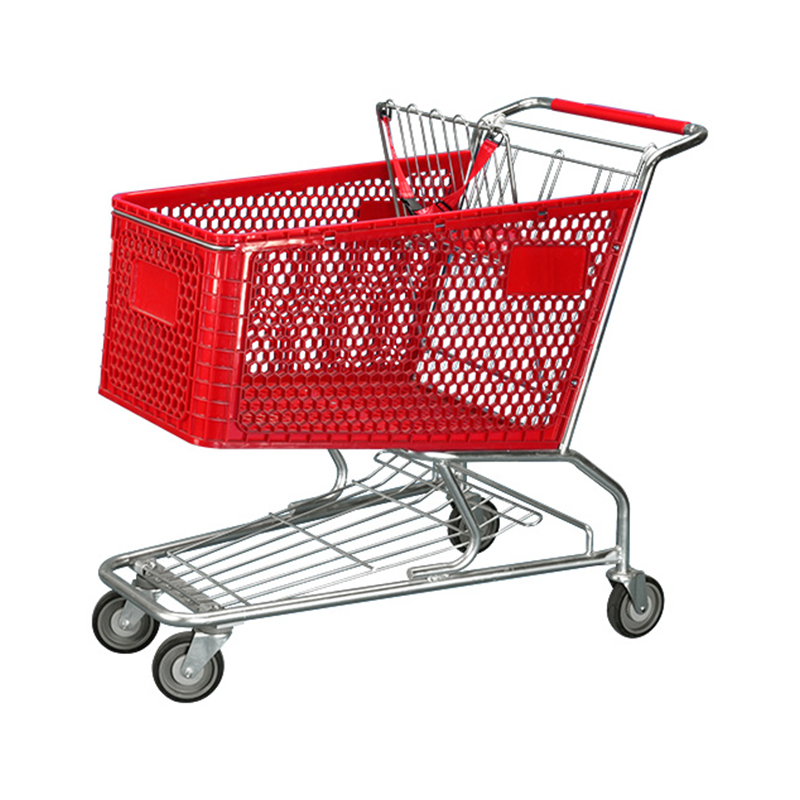
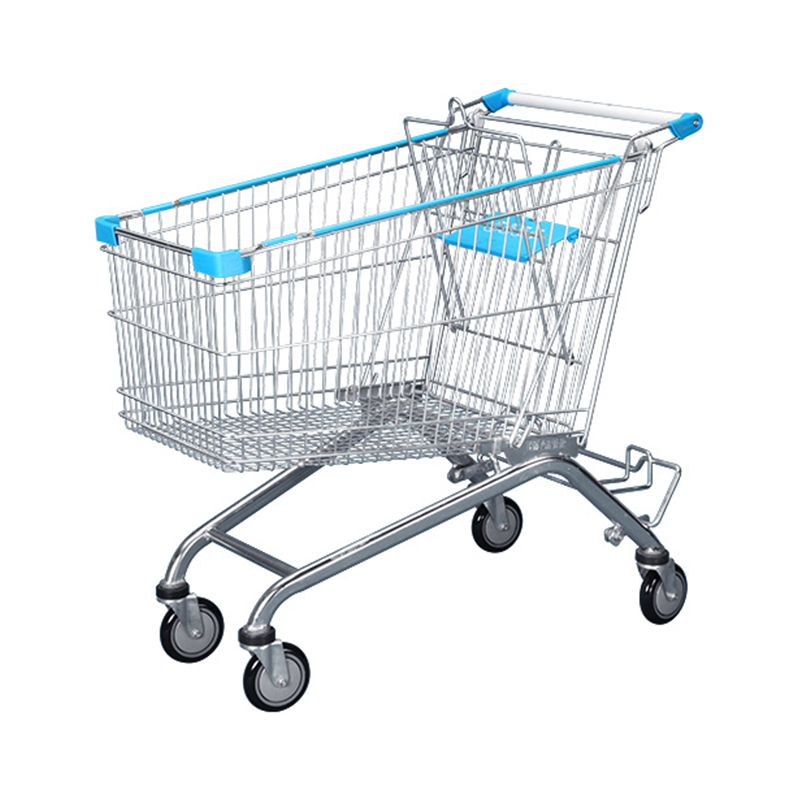
The rolling performance of a shopping cart depends far more on caster geometry than most shoppers ever notice. Swivel casters mounted at the front allow tight turning in narrow aisles, while fixed or semi-swivel wheels at the rear provide directional stability when a cart is pushed at speed down a long aisle. The offset distance between the wheel axle and the swivel pivot point — known as trail — determines how quickly a cart self-centers after a turn, and too little trail results in a cart that feels twitchy and hard to control.
Wheel material also plays a functional role beyond noise reduction. Thermoplastic rubber compounds absorb vibration from uneven flooring transitions, such as the seams between tile and concrete common in large-format retail stores, which reduces wear on the wheel bearings over time. At Suzhou CERS Commercial Equipment Co., Ltd., caster selection is treated as an engineering decision tied to expected floor conditions and duty cycle, not simply a bolt-on accessory.
Bearing type is another factor that separates entry-level carts from higher-duty ones. Sealed ball-bearing hubs resist dust and moisture ingress far better than open bushings, which matters in high-traffic environments where carts may log several kilometers of rolling distance per day without dedicated maintenance windows.
Nesting Geometry and Its Impact on Store Layout Efficiency
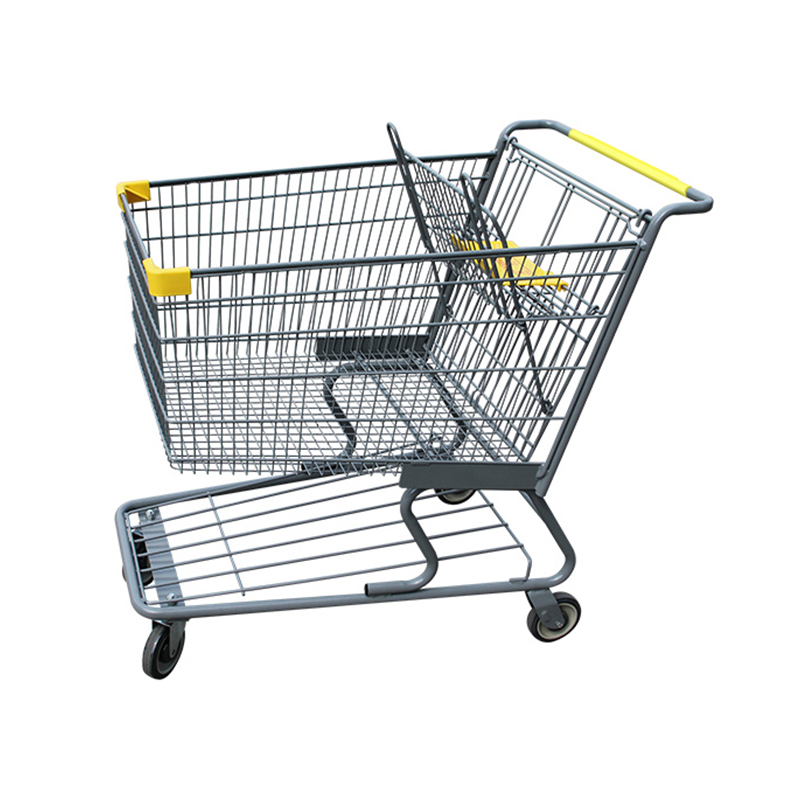
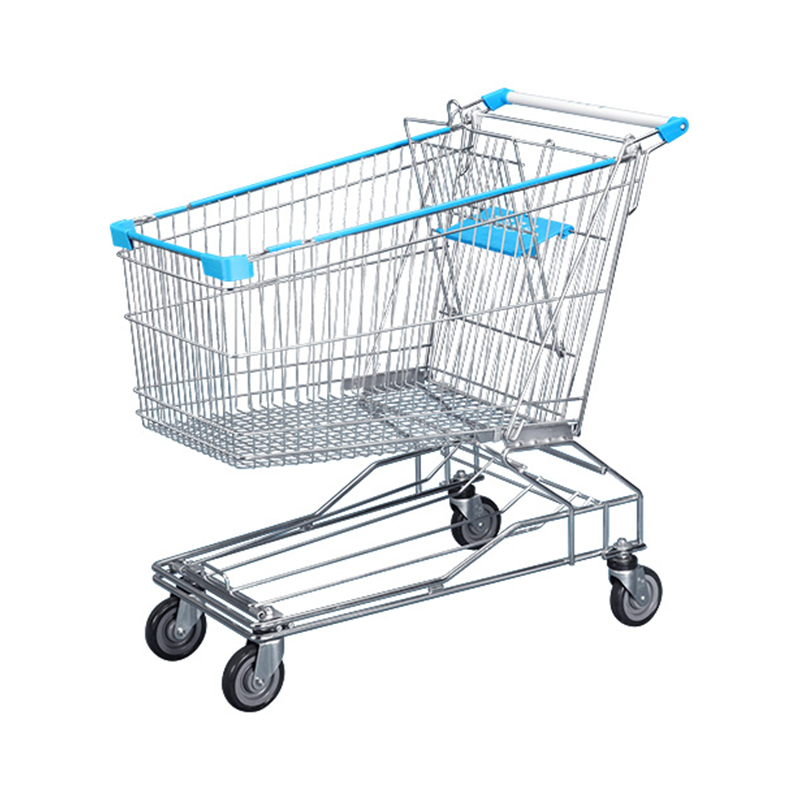
The ability of carts to nest tightly together is one of the most underappreciated aspects of retail floor planning. Nesting reduction — the difference between a single cart's overall length and the length it occupies when stacked inside another — directly determines how much corral or entrance space a store needs to allocate. A well-designed Steel Shopping Cart frame with a tapered basket profile can reduce a row of fifty nested carts by several meters compared to a poorly optimized design, freeing up valuable frontage space near the entrance.
Basket flare angle and rear panel curvature are engineered specifically to allow one cart's front section to slide beneath the basket of the cart ahead of it. Too shallow an angle prevents proper nesting; too steep reduces usable basket volume. Getting this balance right requires prototyping and iterative adjustment rather than a single fixed template applied across all cart sizes.
For multi-level retailers or shopping centers with escalators, nesting depth also interacts with cart-lock and travelator compatibility systems, adding another layer of dimensional precision that has to be accounted for during the design phase, something our engineering team factors in early when customizing carts for specific store formats.
Ergonomics, Accessibility, and Structural Safety Standards
Handle bar height, grip diameter, and push-force requirements are all shaped by ergonomic research into what a broad range of shoppers can comfortably operate. Standards such as ANSI/BIFMA and various EN guidelines set reference ranges for push-pull force under a loaded cart, since excessive resistance disproportionately affects elderly or mobility-limited customers.
Child seat design has its own safety considerations, including harness anchor points, leg-opening dimensions, and load limits that must be tested independently from the main basket capacity. Low center-of-gravity frame design also reduces tip-over risk when a child seat is loaded near the front of the cart, a scenario that places uneven weight distribution on the front casters.
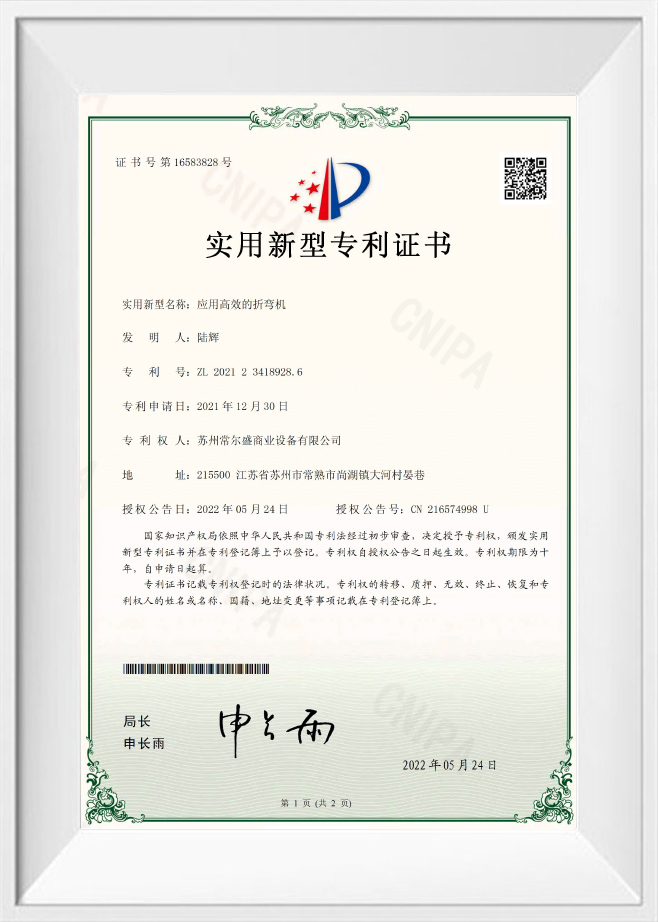
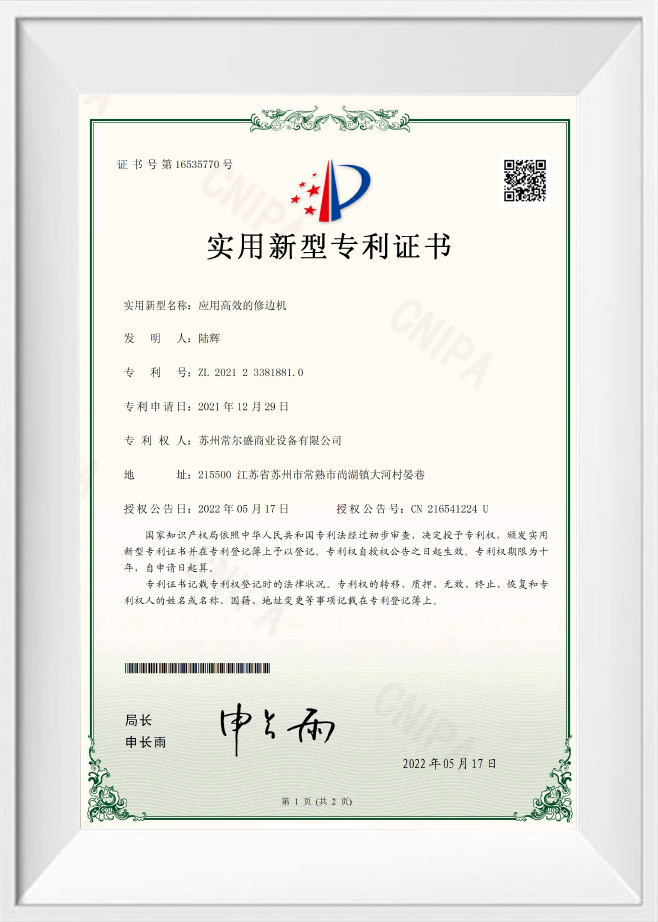
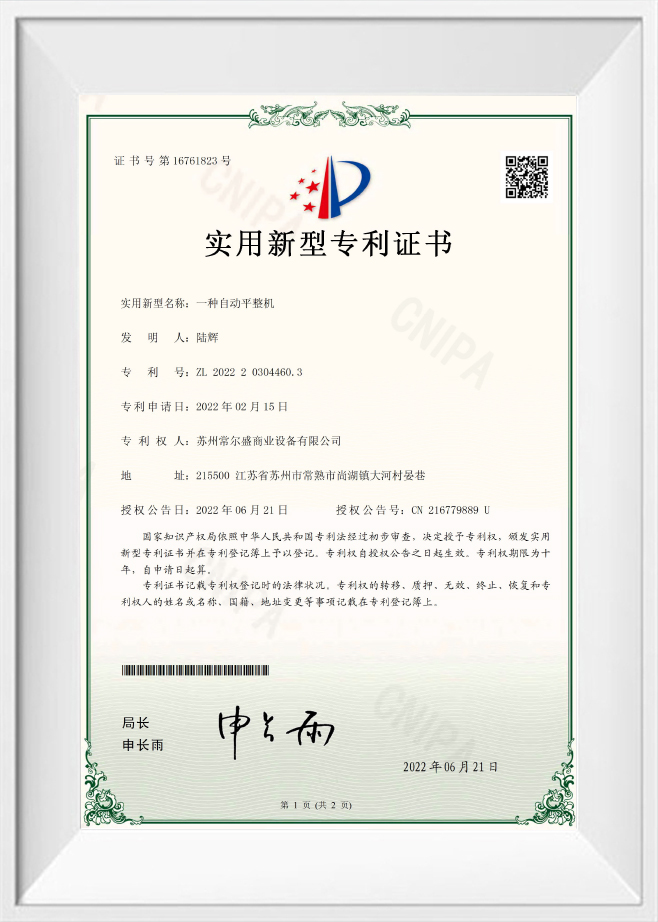
Weld joint integrity at high-stress points — particularly where the handle bar meets the frame and where the basket connects to the chassis — is typically verified through cyclic load testing that simulates years of repeated use. Suzhou CERS Commercial Equipment Co., Ltd. applies this kind of stress testing during product development precisely because cart failures at these joints are among the most common causes of in-store safety incidents.
Material Choices and the Shift Toward Modern Cart Design
Wire mesh baskets remain popular for their visibility and light weight, but the wire gauge and mesh spacing significantly affect both durability and product security, since overly wide spacing can allow smaller items to slip through. Powder-coated finishes over welded steel frames offer strong corrosion resistance in climates with high humidity or frequent floor cleaning with harsh chemicals.
Retail design trends have also pushed cart aesthetics closer to a store's overall branding. A Modern Shopping Cart today is often expected to combine a sleeker basket silhouette, color-matched frame coating, and integrated advertising panel space, rather than the purely utilitarian look of older cart generations. Some retailers now request cup holders, phone-charging attachments, or barcode scanner mounts as part of the base design.
Looking ahead, RFID-enabled anti-theft wheels and smart cart tracking systems are becoming more common in large-format and membership warehouse formats, signaling that cart design is increasingly viewed as part of the broader in-store technology ecosystem rather than a standalone piece of equipment.

- Quick Links
- Home
- About Us
- Sustainable
- News
- Contact Us
- Products
- Supermarket shelf
- Storage rack
- Shopping cart
- Shopping basket
- Shelving Accessories
- Display rack
- Contact us
-
-
+86-18852916580

-
[email protected]

-
No. 9 Yongxin Road, Wangzhuang Industrial Park, Shanghu Town, Changshu City, Jiangsu Province, China

-

