- Tel: +86-18852916580
- Suzhou CERS Commercial Equipment Co., Ltd.
- Email: [email protected]
- Tel: +86-18852916580
- Suzhou CERS Commercial Equipment Co., Ltd.
- Email: [email protected]


 Español
  عربى
عربى  Deutsch


Shelving Fence & Dividers Manufacturers
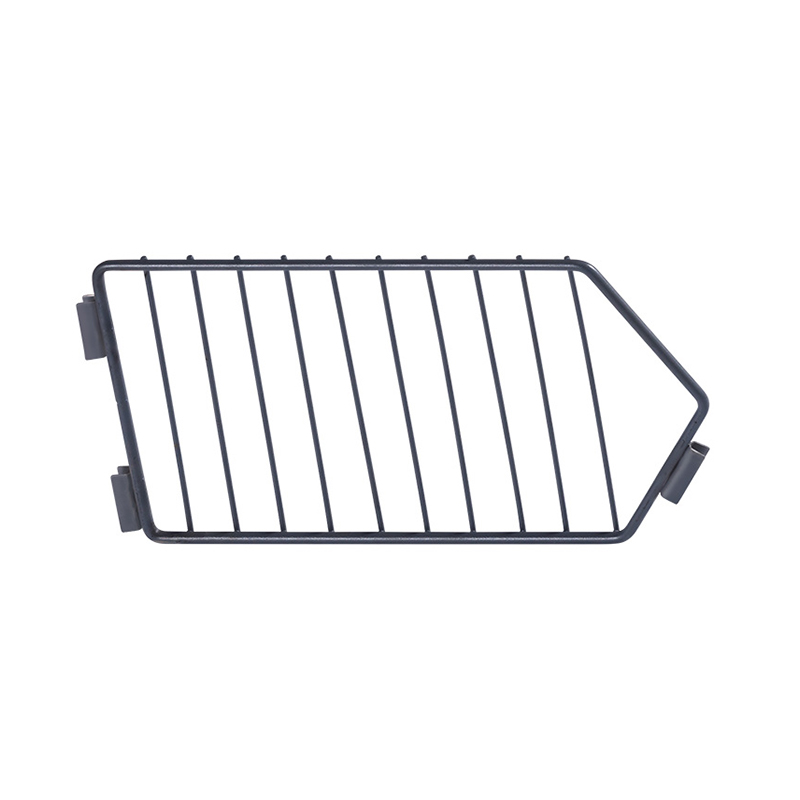







Wire Gauge and Fence Height Selection by Product Type
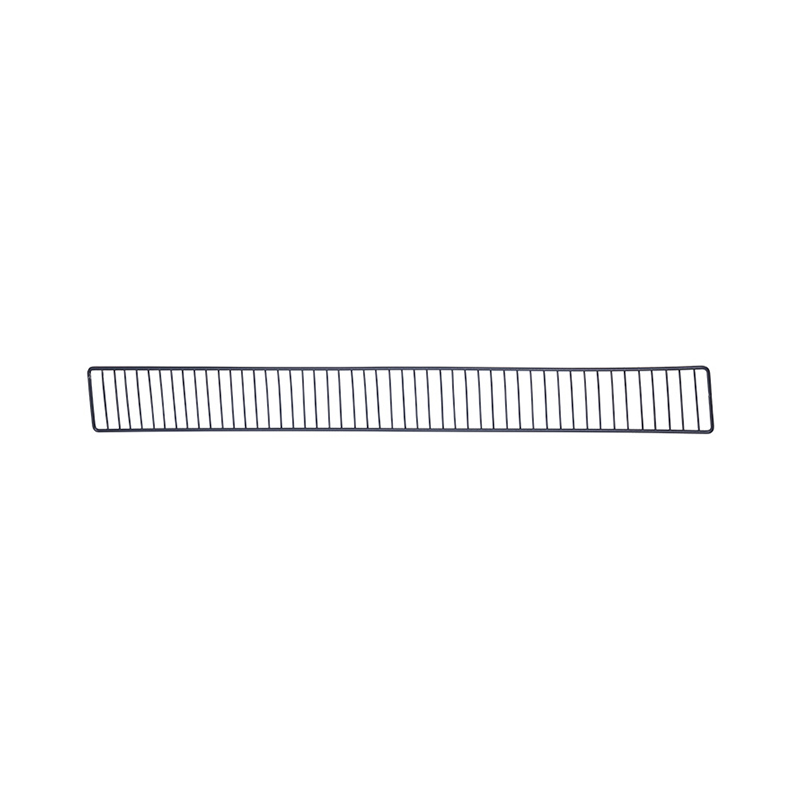
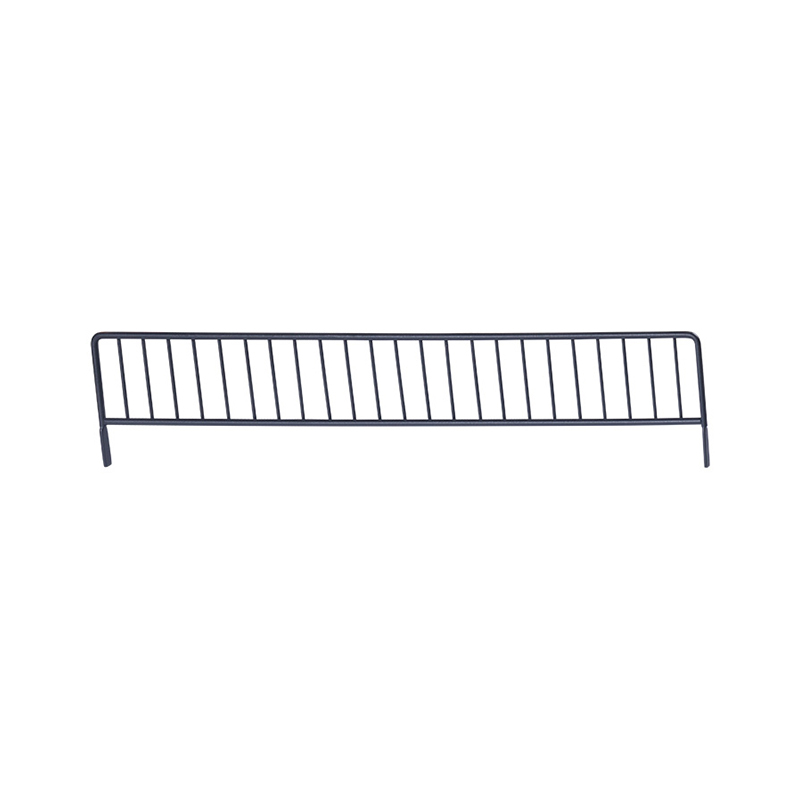
Shelf fencing exists primarily to keep loose or rolling merchandise from spilling off the front edge of a shelf, but choosing the right height and wire gauge depends entirely on what's sitting behind it. A low-profile fence around 30-40mm works well for stacked canned goods or boxed items with a stable footprint, while taller fencing in the 60-80mm range becomes necessary for loosely packed items like bagged produce or small parts that shift more easily during restocking or as customers browse.
At Suzhou CERS Commercial Equipment Co., Ltd., wire gauge selection also factors into this decision, since a thinner wire fence can flex under repeated contact from restocking carts or customer handling, gradually losing its shape at the front corners where impact is most frequent. Heavier gauge wire holds its form longer under this kind of repeated mechanical stress, though it does add cost and weight that need to be weighed against the actual containment demands of the product category.
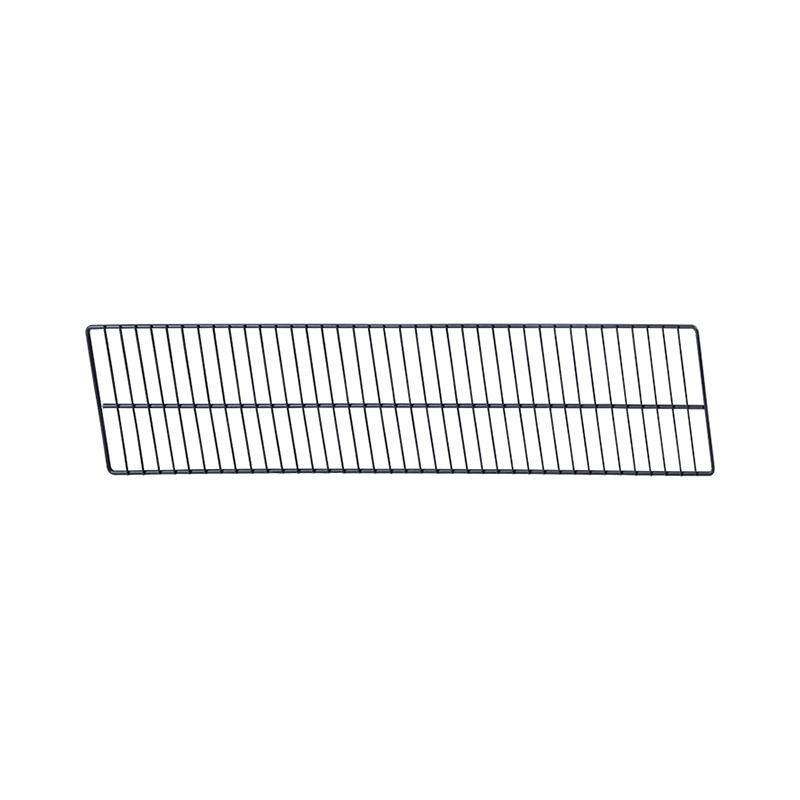
Mesh spacing along the fence face is another variable that's easy to overlook. Wider spacing keeps sightlines open and lets customers see product labels clearly through the fence, while tighter spacing is sometimes specified for smaller items that might otherwise slip through gaps under vibration from nearby foot traffic or restocking activity.
Divider Spacing and Facing Consistency
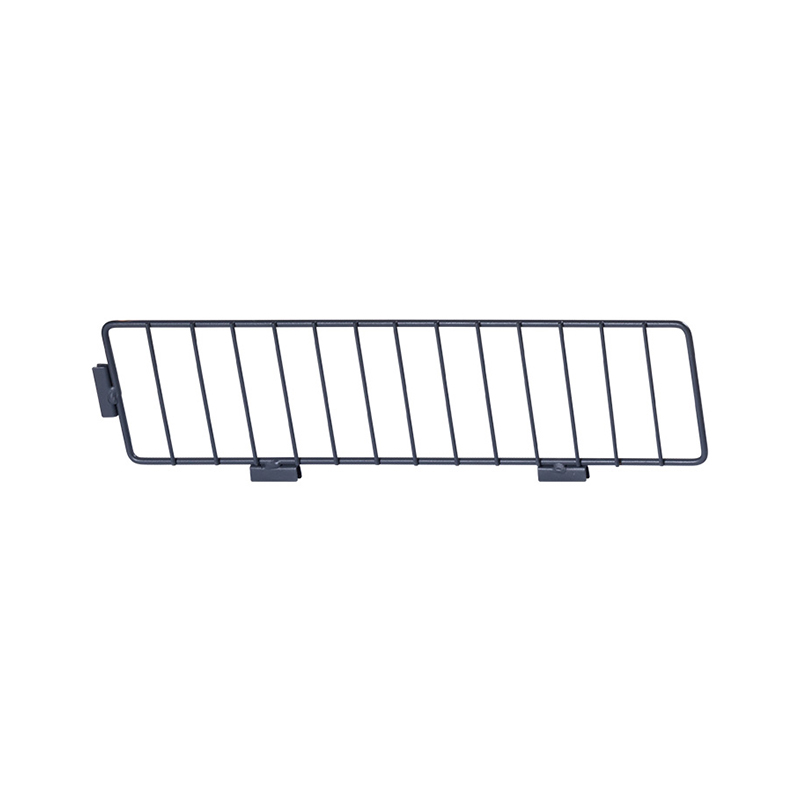
Shelf dividers solve a different problem than fencing — rather than preventing items from falling off the front, they keep individual product facings separated and upright along the depth of the shelf. Without dividers, lightweight or narrow packaging tends to lean, slide sideways, or become disorganized as customers remove items from the front of a row, which is one of the more common causes of a messy, unkempt shelf appearance even in stores with otherwise tight merchandising standards.
Divider spacing should be set based on actual package width rather than a uniform default across the whole store, since spacing that's too generous allows product to tilt within the gap, while spacing that's too tight makes restocking unnecessarily slow and can even damage packaging during insertion. Adjustable divider systems, which slide along a shelf-mounted rail, give store staff the flexibility to reset spacing whenever a planogram changes without needing entirely new hardware.
Well-calibrated Shelving Fence & Dividers working together — fencing at the front edge and dividers running shelf-depth — are often what separates a shelf that looks consistently tidy from one that requires constant manual straightening throughout the day.
Mounting Compatibility and Toolless Adjustment
Most fencing and divider systems attach to a shelf using one of two general approaches: clip-on brackets that grip the shelf's front or side lip, or slotted rail systems that require a track to be pre-installed along the shelf surface. Clip-on systems tend to offer faster installation and easier repositioning without tools, which matters for stores that adjust merchandising layouts frequently in response to seasonal demand or promotional resets.
Rail-based systems, while requiring slightly more setup, generally provide a more secure and uniform fit across a long run of shelving, since the track itself constrains lateral movement of the dividers in a way that clip-on brackets alone sometimes can't match under heavier daily handling.
We design our fencing and divider hardware to be compatible with standard shelf panel dimensions used across our own shelving lines, so store staff can reconfigure sections without needing to source separate brackets or adapters for each shelf type in a given aisle.
Merchandising Impact and Category-Specific Applications
Beyond their functional role, fencing and dividers directly affect how a shelf reads visually to a shopper. A shelf with clean, evenly spaced product facings and no items sliding out of alignment reads as well-stocked and trustworthy, even at moderate inventory levels, while a disorganized shelf can make even a fully stocked section look depleted or neglected. This perception effect is one of the underappreciated reasons retailers invest in fencing and divider hardware beyond pure containment function.
Certain categories rely on this hardware more heavily than others. Bulk candy and snack sections, hardware and small parts aisles, and cosmetics displays with narrow, easily-tipped packaging all tend to see the most noticeable merchandising improvement from properly fitted fencing and dividers, compared to categories with naturally stable, self-supporting packaging like boxed goods.
Retailers evaluating Shelving Fence & Dividers for a store rollout generally see the best return on categories where product instability has been an ongoing operational headache, rather than applying the hardware uniformly across every shelf regardless of actual need. Suzhou CERS Commercial Equipment Co., Ltd. works with clients to identify which sections would benefit most before recommending a full-store hardware plan.

- Quick Links
- Home
- About Us
- Sustainable
- News
- Contact Us
- Products
- Supermarket shelf
- Storage rack
- Shopping cart
- Shopping basket
- Shelving Accessories
- Display rack
- Contact us
-
-
+86-18852916580

-
[email protected]

-
No. 9 Yongxin Road, Wangzhuang Industrial Park, Shanghu Town, Changshu City, Jiangsu Province, China

-

