- Tel: +86-18852916580
- Suzhou CERS Commercial Equipment Co., Ltd.
- Email: [email protected]
- Tel: +86-18852916580
- Suzhou CERS Commercial Equipment Co., Ltd.
- Email: [email protected]


 Español
  عربى
عربى  Deutsch


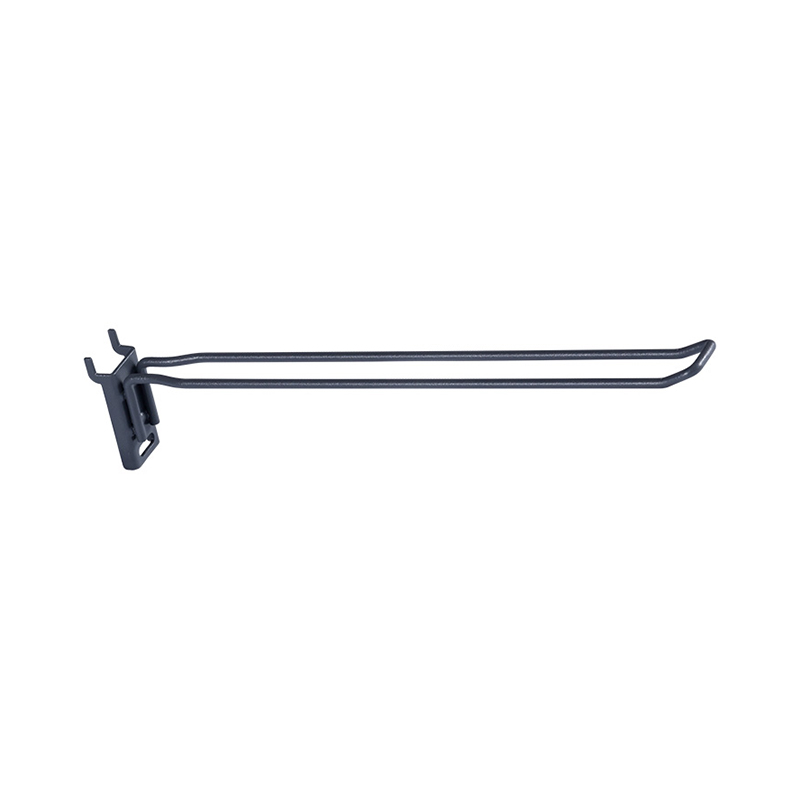
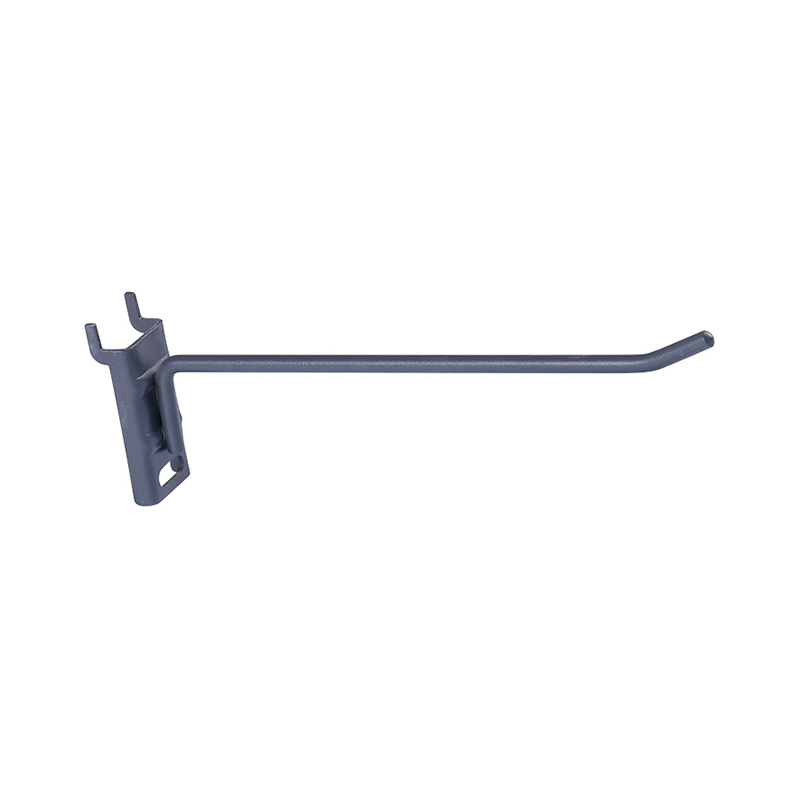
Pegboard Double-Wire Hook: Dual-Rod Design for Heavy Loads—Secure and Non-Slip
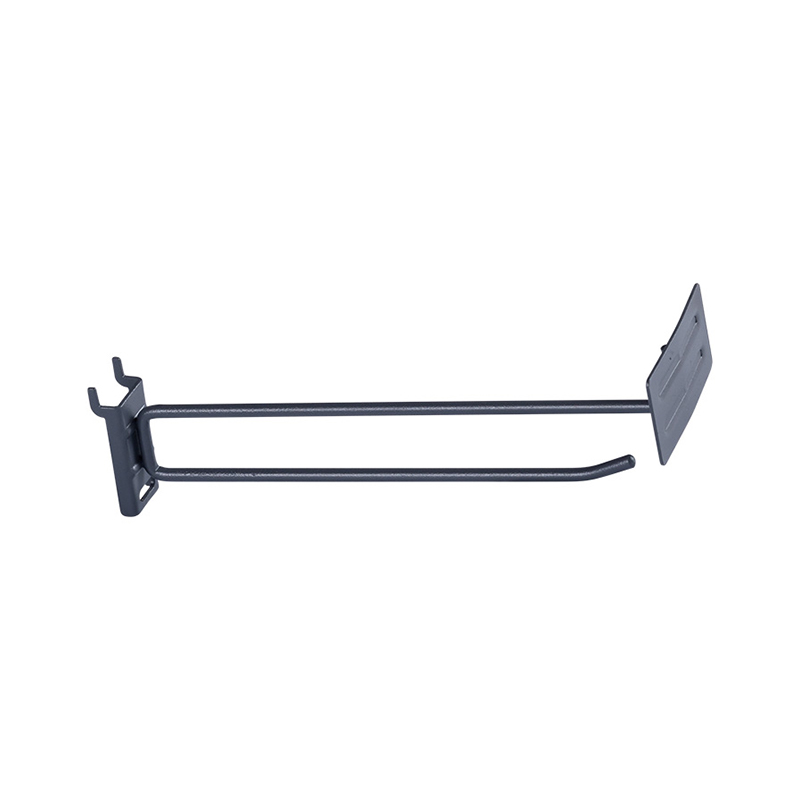
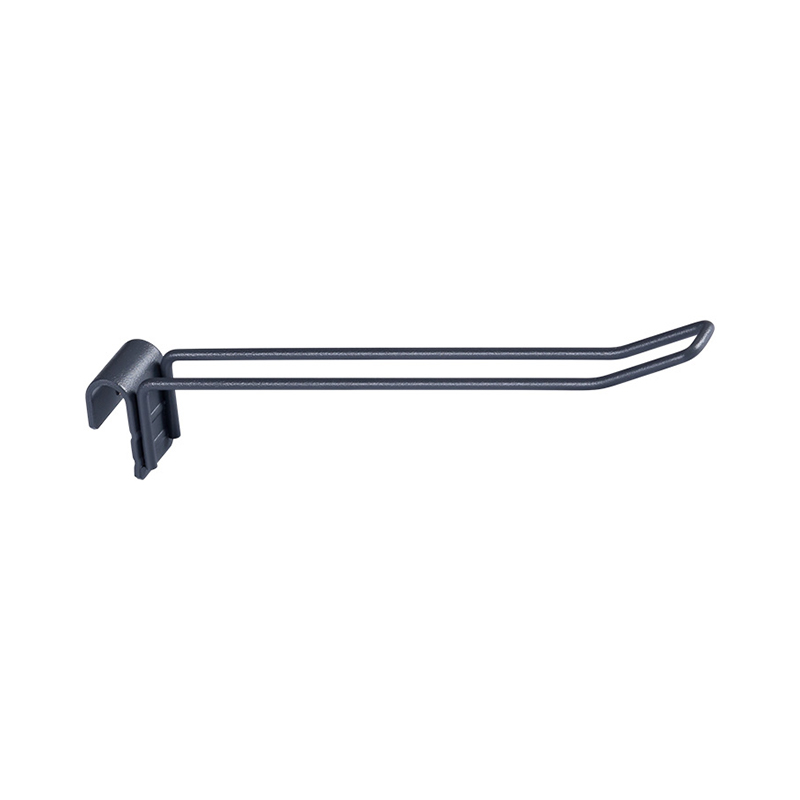
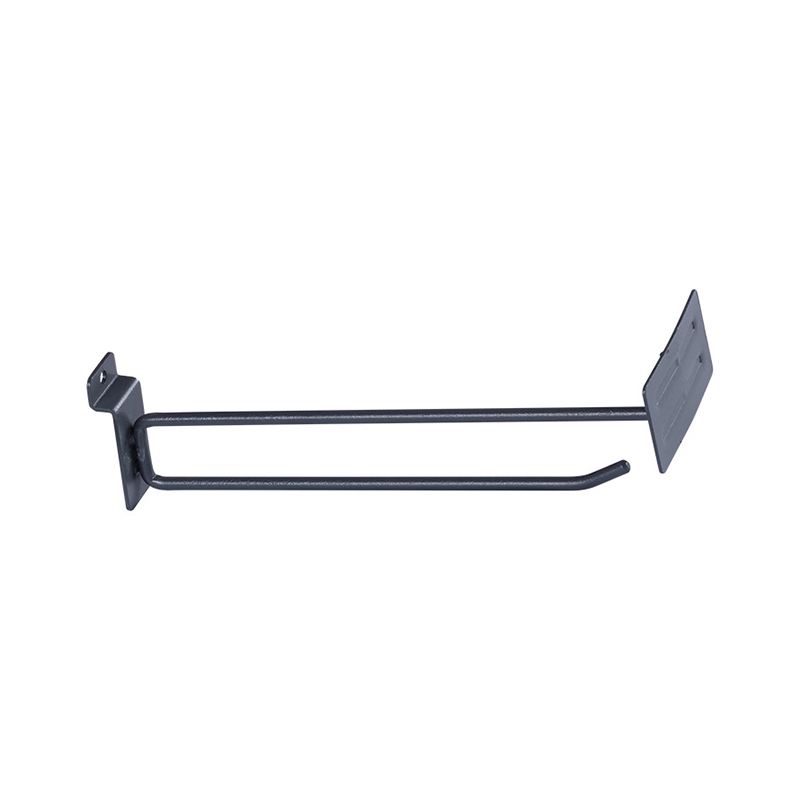
This pegboard double-wire hook is formed from two parallel metal wires welded together and is designed for commercial and residential pegboard systems. The dual-rod structure provides two contact points or support surfaces for hanging larger or heavier items, such as tool sets, automotive accessories, garden equipment, and bulk-packaged products. Seven length options from 100mm to 400mm are available. The hook tail features dual prongs or an anti-rotation structure that forms a fixed fit after insertion into the pegboard. The parallel rod layout distributes the center of gravity of hung merchandise more evenly, reducing tilt caused by single-point loading. An anti-slip feature is incorporated at the rod ends to reduce the frequency of merchandise sliding off.

L:100/150/200/250/300/350/400(mm)
Core Advantages
Dual-Rod Structure: Two parallel wires share the load, resulting in lower point contact stress compared to single-prong designs, reducing the risk of localized bending.
Installation Stability: The dual-prong tail structure forms a tight fit with pegboard holes, maintaining directional orientation and controlling rotation during use.
Even Load Distribution: Merchandise weight is shared across two support points, suitable for wider hanging holes or non-rigid packaging.
Length Coverage: Increments of 50mm from 100mm to 400mm cover products of varying widths and thicknesses.
Product Features
The product is offered in seven length options: 100mm, 150mm, 200mm, 250mm, 300mm, 350mm, and 400mm. Installation is achieved by inserting dual prongs into standard pegboard holes (common hole diameters of 5mm or 6mm, depending on version). The parallel dual-wire structure is suitable for products with dual holes or wide hanging openings, as well as flexible packaging bags. The rod ends feature an upward bend or anti-drop ball end (depending on batch), with both wires treated identically. Wire diameter is consistent, and the spacing between the two rods is fixed. Surface finishes include electroplating or powder coating, selectable based on environmental requirements.
Application Scenarios
Hardware retail stores for tool sets, screwdriver sets, plier sets, and other heavier multi-piece items.
Automotive parts stores for oil bottle carded displays, rolled tool kits, tow straps, fire extinguisher hangers, and similar products.
Home or garage areas for two-handled garden tools, folding chairs, and outdoor equipment bags.
Warehouse or industrial retail environments for wider-packaged items such as coveralls, protective covers, and large fittings.
Common Questions and Solutions
Question: Merchandise becomes stuck between the two rods or is difficult to remove.
Possible cause: Mismatch between the rod spacing and the product hanging hole width or packaging thickness. Measure the hanging hole width or packaging edge thickness and select a hook version with corresponding rod spacing.
Question: The hook loosens after insertion into the pegboard.
Possible cause: Mismatch between the tail prongs and pegboard hole diameter, or deformed prongs. Confirm that the pegboard hole diameter (5mm or 6mm) matches the hook version, and check that the prongs are straight.
Question: One of the two rods shows bending deformation.
Possible factor: Uneven load concentrated on a single wire, or the vertical projection of the merchandise weight deviates from the center of the dual-rod assembly. Adjust the merchandise center of gravity to sit between the two rods, or use a shorter hook length.
Related Precautions
Verify that the pegboard hole diameter matches the hook prong diameter before installation. Mismatches may cause instability.
The total load per hook should not exceed 80% of the tested limit to maintain parallel rod alignment.
Clean with a soft cloth and neutral detergent. Avoid abrasive materials or strong acid/alkali cleaners.
Not suitable for products without hanging holes or for products with hanging hole width exceeding 1.5 times the fixed rod spacing.
L:100/150/200/250/300/350/400(mm)

- Quick Links
- Home
- About Us
- Sustainable
- News
- Contact Us
- Products
- Supermarket shelf
- Storage rack
- Shopping cart
- Shopping basket
- Shelving Accessories
- Display rack
- Contact us
-
-
+86-18852916580

-
[email protected]

-
No. 9 Yongxin Road, Wangzhuang Industrial Park, Shanghu Town, Changshu City, Jiangsu Province, China

-

