- Tel: +86-18852916580
- Suzhou CERS Commercial Equipment Co., Ltd.
- Email: [email protected]
- Tel: +86-18852916580
- Suzhou CERS Commercial Equipment Co., Ltd.
- Email: [email protected]


 Español
 عربى
 Deutsch



Supermarket Shelving Systems China Manufacturers: Practical Applications, Selection
Content
- 1 How Supermarket Shelving Systems China Manufacturers Differ in Build Quality
- 2 Critical Specifications to Compare Across Chinese Shelving Factories
- 3 Quality Control Evidence to Demand from Supermarket Shelving Systems China Manufacturers
- 4 Cost Structure, MOQ, and Lead Times from Chinese Manufacturers
- 5 Factory Audit Checklist for Supermarket Shelving Systems China Manufacturers
- 6 Decision Framework: Comparing Suppliers on the Same Scale
- 7 Frequently Asked Questions
A retail chain in the UAE replaced 40 gondola runs in early 2025 with shelving from a low-bid supplier. Fourteen months later, the powder coating had peeled at the base of every upright and beams sagged visibly under normal store loads. The buyer's mistake was not sourcing from China—it was skipping specification verification. Supermarket shelving systems China manufacturers operate a mature industrial base, but output quality varies sharply between factories. Procurement teams that compare suppliers on steel gauge, coating chemistry, joint design, and test documentation get dramatically different outcomes than teams that compare price alone.
Cheap shelving is never cheap when measured against a five-year store operating cycle.
How Supermarket Shelving Systems China Manufacturers Differ in Build Quality
The durability of a supermarket shelving system comes down to four verifiable inputs: steel sheet thickness, surface treatment, joint design, and inspection routine. A supplier that cannot document all four is asking you to trust luck.
Chinese factories produce shelving across a wide quality spectrum. At the low end, shelves use 0.35 mm cold-rolled steel with single-layer electrostatic spraying and minimal pre-treatment. At the commercial end, manufacturers such as Suzhou CERS Commercial Equipment Co., Ltd. build with 0.5–0.8 mm steel, phosphate pre-treatment, and powder coating applied through automated lines. The price gap between these tiers is typically 15–40 percent, but the service-life gap is far wider: three to five years versus ten or more.
-
Load capacity: commercial-grade shelves hold 120 kg or more per level; economy units often rate below 60 kg
-
Coating durability: anti-corrosion powder coating over phosphate pre-treatment resists humidity and cleaning chemicals
-
Weld consistency: robot welding produces repeatable joints; hand welding introduces visible variation and weak points
Critical Specifications to Compare Across Chinese Shelving Factories
Before contacting suppliers, define a minimum specification envelope: shelf depth, column gauge, load rating, and coating standard. Quotes that omit these numbers are incomplete.
| Specification | Economy | Commercial | Heavy-Duty |
| Steel thickness | 0.35–0.4 mm | 0.5–0.6 mm | 0.7–0.8 mm |
| Load per level | 60–80 kg | 120–150 kg | 200 kg |
| Coating thickness | 40–60 microns | 60–80 microns | 80–100 microns |
| Back panel | Single-layer mesh | Perforated steel sheet | Double-wall structural |
| Service life | 3–5 years | 8–10 years | 12+ years |
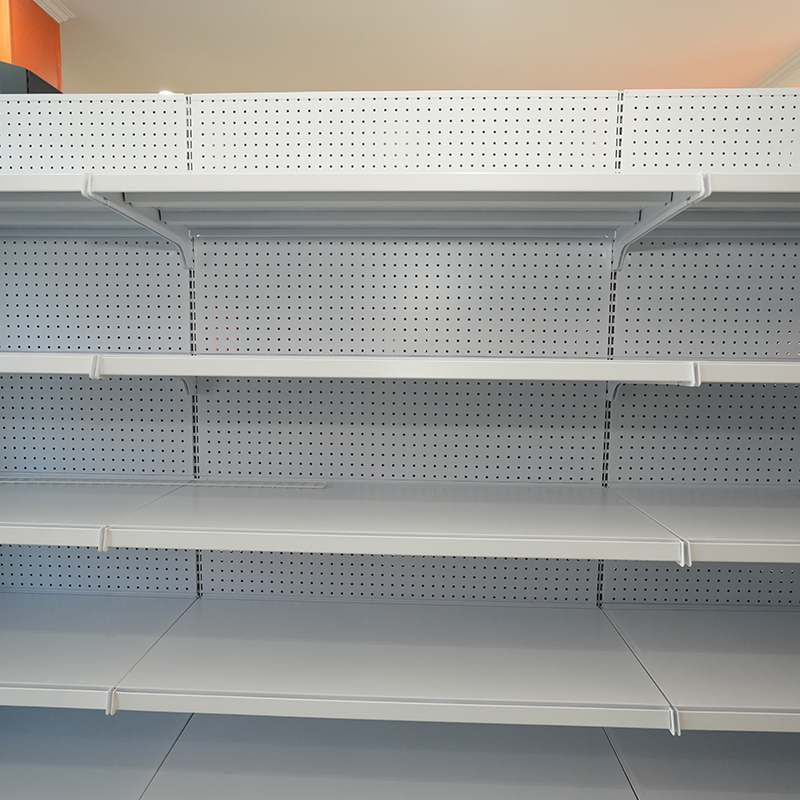 Double-Sided Supermarket Shelving Unit with Perforated Steel Back PanelsThis 2900×1000×2400 mm double-sided rack suits center-aisle displays in supermarkets and convenience stores. Thickened perforated back panels add rigidity and accept hooks and brackets without drilling, making it a practical core unit for mid-market fit-outs.View Product →
For a mid-market store fit-out, a double-sided unit with thickened perforated steel back panels delivers the best balance of load capacity and merchandising density. Perforated panels also accept display hooks and accessories without additional drilling.
Commercial-grade supermarket shelving means steel at or above 0.5 mm, phosphate pre-treatment before powder coating, and documented load testing on finished assemblies.
Quality Control Evidence to Demand from Supermarket Shelving Systems China Manufacturers
ISO 9001 certification is table stakes for any export-oriented shelving factory. It is not evidence of consistent product quality. What matters is how quality control is executed on the floor and what records the factory keeps.
Material traceability
Steel mill certificates confirming grade and thickness for each incoming coil. Ask for the latest batch certificates before ordering.
In-process inspection
Checkpoints between stamping, welding, coating, and assembly. A factory that does not inspect immediately after welding will ship weld defects.
Pre-shipment testing
Load deflection tests, coating thickness checks, and packaging drop tests on finished units. Request video evidence of a live test.
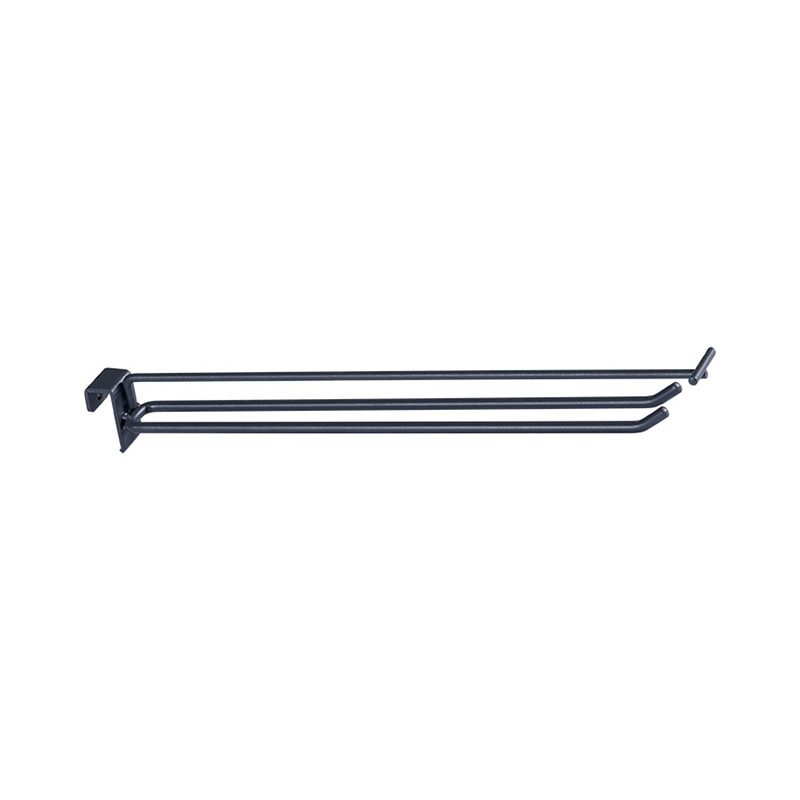
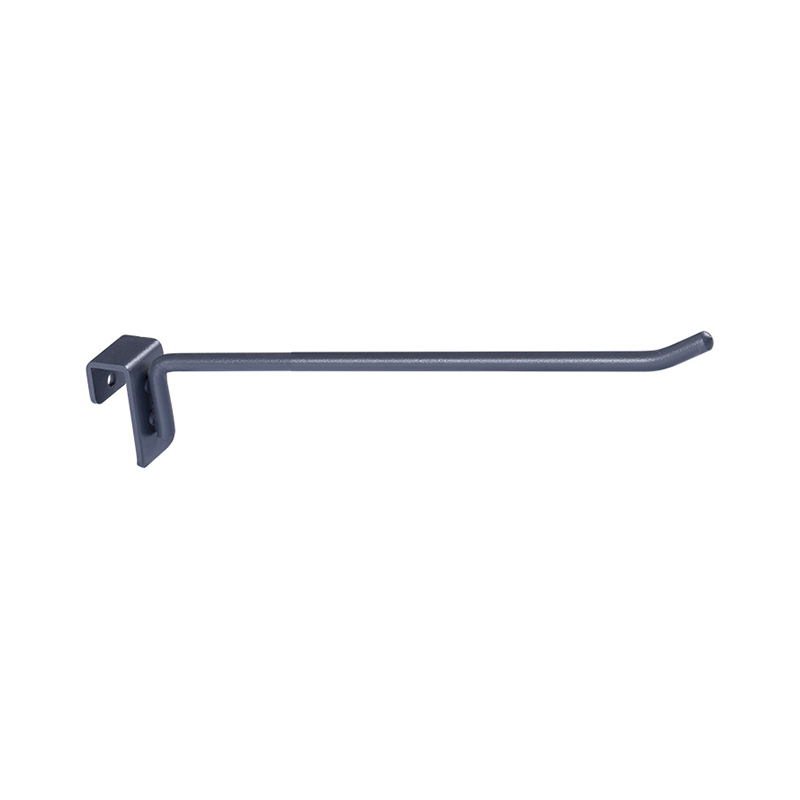
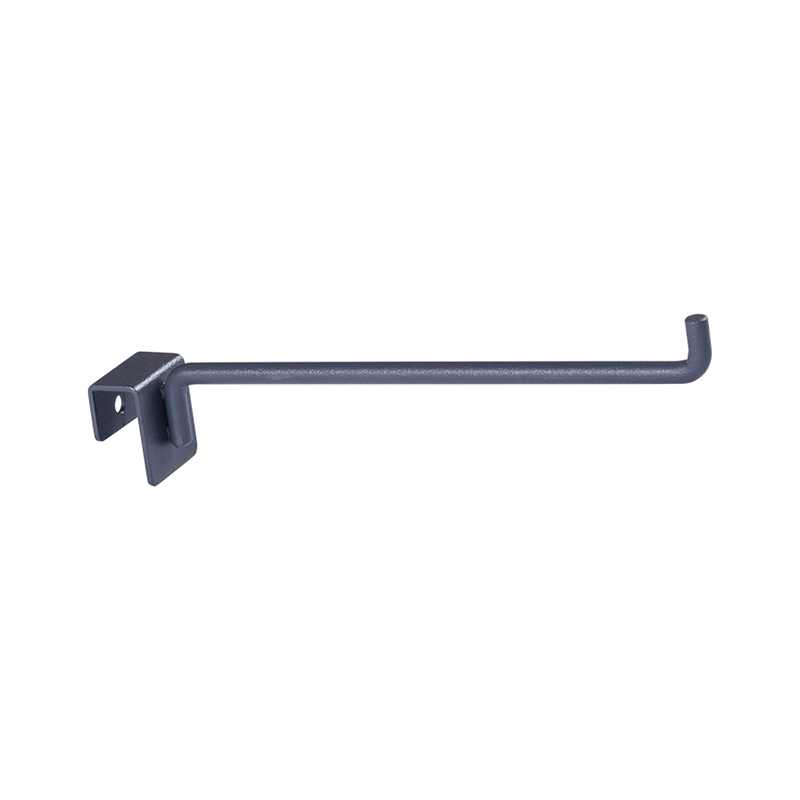
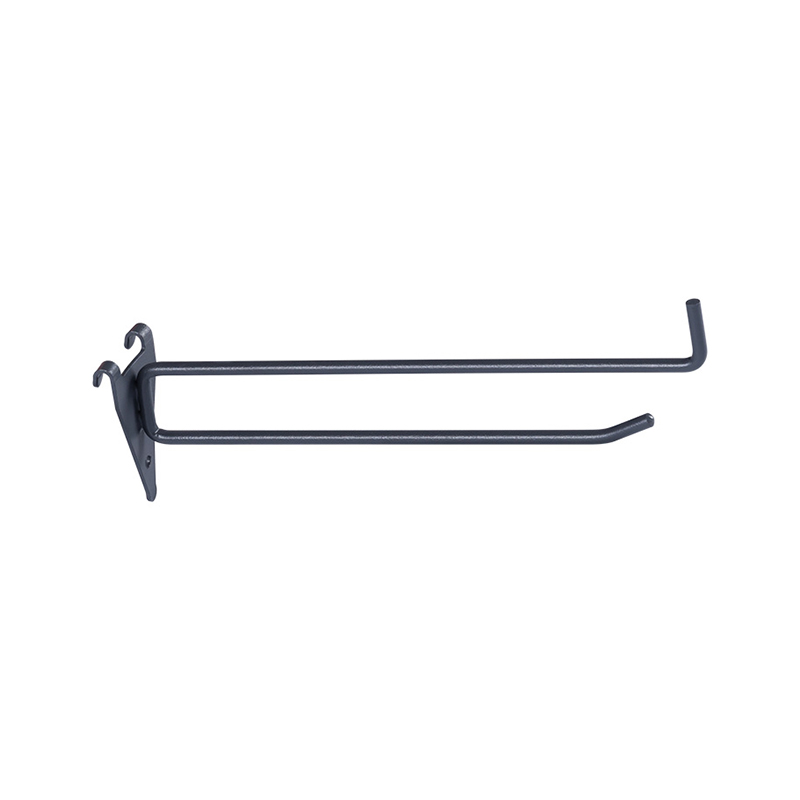
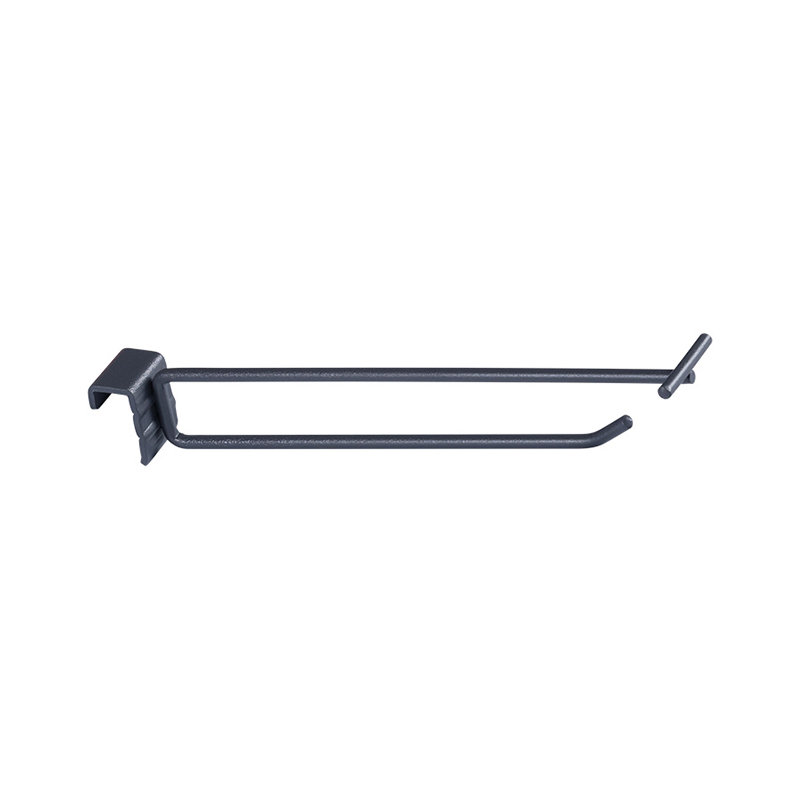
Accessories carry the same quality weight as the shelving itself. A double wire display hook used for heavy bagged goods needs the same steel thickness and coating standard as the main shelf structure. Thin hooks bend under load, and coating failure on hooks can lead to rust contamination of packaged food—a serious retail liability. Factories like CERS produce display hooks on the same automated lines as their shelving, which is a practical indicator of consistent quality control.
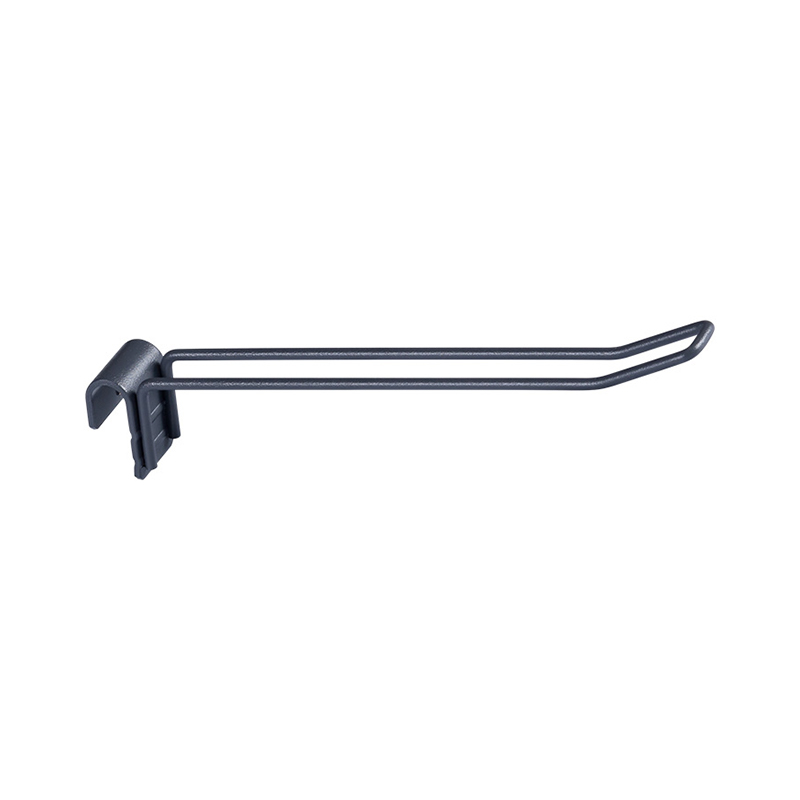 Dual-Wire Heavy-Duty Display Hook for Retail ShelvingMade from 5–7 mm carbon steel wire with a dual-rod structure, this hook offers 1.8–2.2 times the load capacity of single-wire versions. Seven lengths from 100 to 400 mm provide stable hanging for heavy bagged goods, backed by consistent factory quality control.View Product →
Heavy-duty double wire display hooks with a dual-rod design are rated for high load and anti-drop performance, which suits supermarkets hanging large bagged items or bulk-packaged goods.
Always request independent inspection photos or video for the specific production batch, not generic photos from the factory brochure.
Cost Structure, MOQ, and Lead Times from Chinese Manufacturers
A realistic budget for commercial-grade supermarket shelving is $35–$65 per linear meter of double-sided gondola run, excluding freight and installation. Prices below that range usually mean thinner steel or a shorter coating warranty.
Minimum order quantities typically range from 500 to 2,000 shelf units. Production lead times run 25–45 days, with sea freight adding 20–40 days depending on destination port. A total order-to-arrival cycle under eight weeks is realistic on most export routes.
Typical annual defect rate by manufacturing tier
Compiled from importer inspection reports across three supplier tiers, 2024–2025
Factory Audit Checklist for Supermarket Shelving Systems China Manufacturers
A meaningful factory audit verifies three things that no brochure can confirm: steel receiving records, welding station consistency, and a completed load test on a production sample. If you cannot visit in person, request a live video walk-through with timestamps.
- 1
Verify steel certificates. Request mill certificates for the last three incoming steel coil batches and cross-check gauge against your specification.
- 2
Inspect the coating line. Look for phosphate pre-treatment tanks, curing oven temperature logs, and coating thickness readings from the last production week.
- 3
Watch a deflection test. Ask for a live load test on a finished shelf unit. Load to 150 percent of rated capacity and measure deflection.
- 4
Examine export packaging. Check crate construction, edge protection, and the factory's transit damage record from the past year.
Factories that pass these checks tend to perform well on delivery reliability. For a closer look at production capability, review the manufacturer's factory and facility overview, including confirmed equipment lists and floor layout.
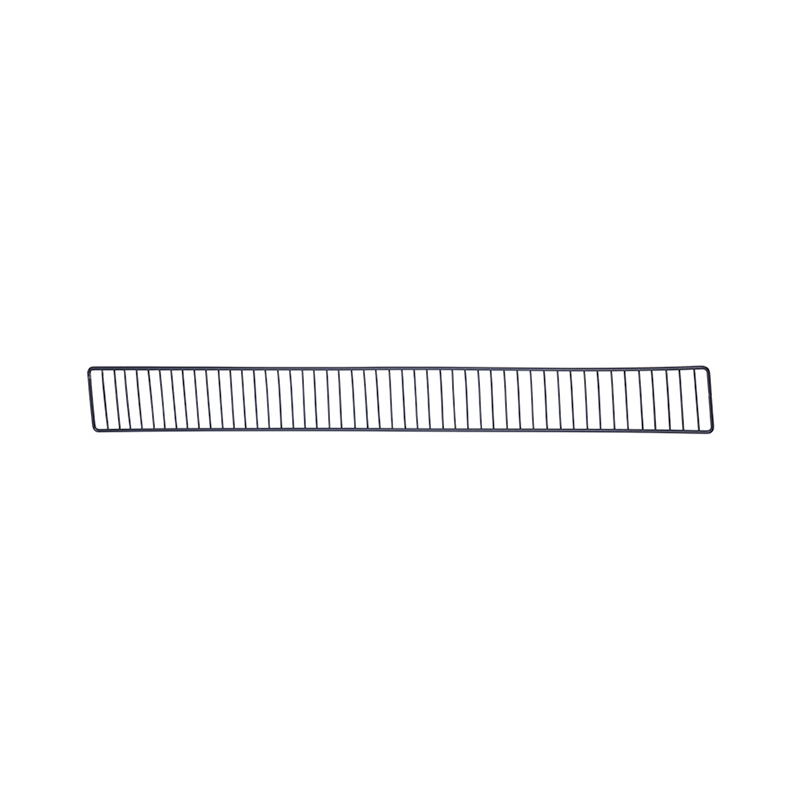 Anti-Drop Supermarket Shelf Guardrail (Multiple Lengths)This guardrail creates a 50–100 mm front barrier to prevent bottles, cans, and boxes from falling off shelves. Available in 900, 1000, and 1200 mm lengths with clip or bolt mounting, it is a low-cost addition that protects inventory and shopper safety.View Product →
After shelving is installed, guardrails and dividers prevent product falls and support tidy merchandising. An anti-drop guardrail is a low-cost investment that protects inventory and shopper safety.
Decision Framework: Comparing Suppliers on the Same Scale
Score each quote against the same weighted criteria so the final decision stays objective.
- 30%
Engineering documentation: full specifications, drawings, and load data included in the quote
- 25%
Quality evidence: mill certificates, coating records, and test reports available on request
- 20%
Production capacity: ability to meet your order volume within the required lead time
- 15%
Communication and after-sales: response quality, problem resolution, and spare parts availability
- 10%
Pricing transparency: a detailed cost breakdown that shows where every dollar sits
Manufacturers that offer complete retail store solutions—shelving, racks, carts, baskets, and accessories from one source—simplify procurement and keep visual design consistent across the store.
The most expensive shelving mistake is not paying too much; it is paying for the wrong tier and discovering the difference on the store floor.
Frequently Asked Questions
What is the minimum order quantity for supermarket shelving from Chinese manufacturers?
Most Chinese shelving factories set MOQs between 500 and 2,000 shelf units. Some accept smaller trial orders at a higher per-unit price. Confirm MOQ early because it directly affects sampling and pilot store fit-outs.
How long does a supermarket shelving order from China take to arrive?
Production typically takes 25–45 days, followed by 20–40 days of sea freight to most global destinations. The full order-to-arrival cycle usually runs 8–12 weeks depending on port, season, and factory workload.
How can I verify the steel quality in Chinese supermarket shelving?
Request mill certificates for incoming steel coils and compare the declared grade and thickness against your purchase specification. A factory that cannot provide certificates for recent batches is not practicing material traceability.
What causes supermarket shelving coating to peel?
Coating peeling is caused by inadequate surface pre-treatment before powder coating. Factories that skip phosphate or iron pre-treatment stages produce coatings that fail under humidity and cleaning chemicals, usually within 12–18 months.
Bottom line: choose the manufacturer that can document the most points from the audit checklist, not the one with the lowest quote.

- Quick Links
- Home
- About Us
- Sustainable
- News
- Contact Us
- Products
- Supermarket shelf
- Storage rack
- Shopping cart
- Shopping basket
- Shelving Accessories
- Display rack
- Contact us
-
-
+86-18852916580

-
[email protected]

-
No. 9 Yongxin Road, Wangzhuang Industrial Park, Shanghu Town, Changshu City, Jiangsu Province, China

-

