- Tel: +86-18852916580
- Suzhou CERS Commercial Equipment Co., Ltd.
- Email: [email protected]
- Tel: +86-18852916580
- Suzhou CERS Commercial Equipment Co., Ltd.
- Email: [email protected]


 Español
  عربى
عربى  Deutsch


Single Wire Display Hook vs. Double Wire Display Hook: Which Merchandising Solution Drives Better Retail Performance?
Content
- 1 Material Foundation: Single Wire Simplicity vs. Double Wire Strength
- 2 Mounting Compatibility and Installation Efficiency
- 3 Load Capacity and Product Compatibility
- 4 Safety and Anti-Theft Considerations
- 5 Side-by-Side: Single Wire vs. Double Wire Display Hook
- 6 Making the Right Choice: Application-Driven Decision Points
- 7 Beyond the Purchase: Lifecycle Cost and Reliability
- 8 Final Verdict: When to Choose Which
- 9 Maintenance and Compliance: Protecting Your Investment
- 10 Frequently Asked Questions
In the competitive landscape of modern retail, the choice of display hardware can significantly impact product visibility, customer engagement, and ultimately, sales. Among the myriad of display solutions available, the single wire display hook stands out for its simplicity, adaptability, and cost-effectiveness. However, retailers often face a critical decision: should they opt for the classic single wire design or the more robust double wire configuration? This guide examines the engineering, application, and performance considerations that distinguish these two approaches, helping you specify the right display solution for your store layout, product mix, and merchandising strategy.
Material Foundation: Single Wire Simplicity vs. Double Wire Strength
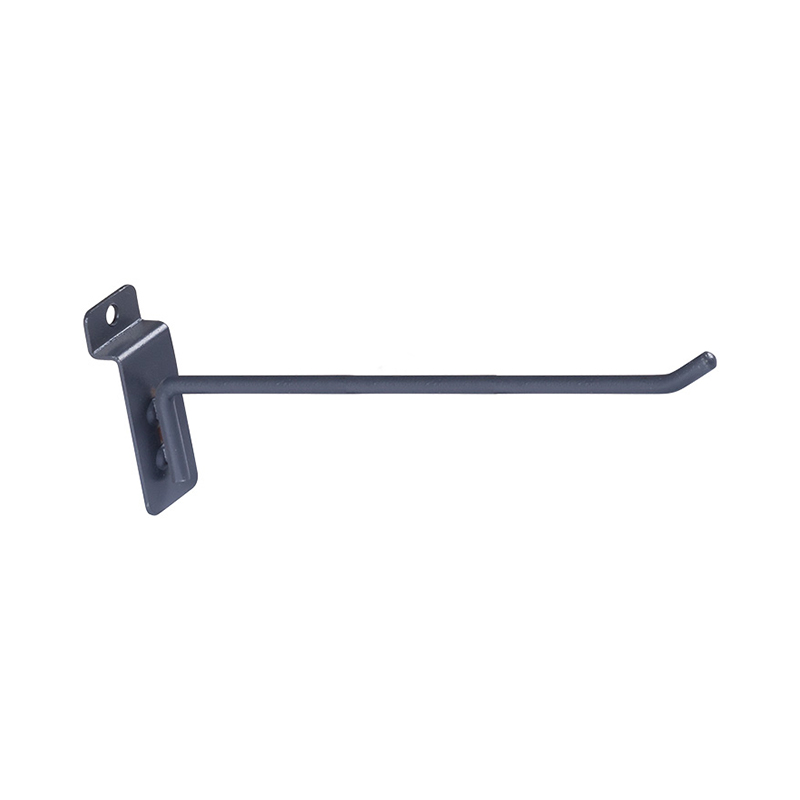
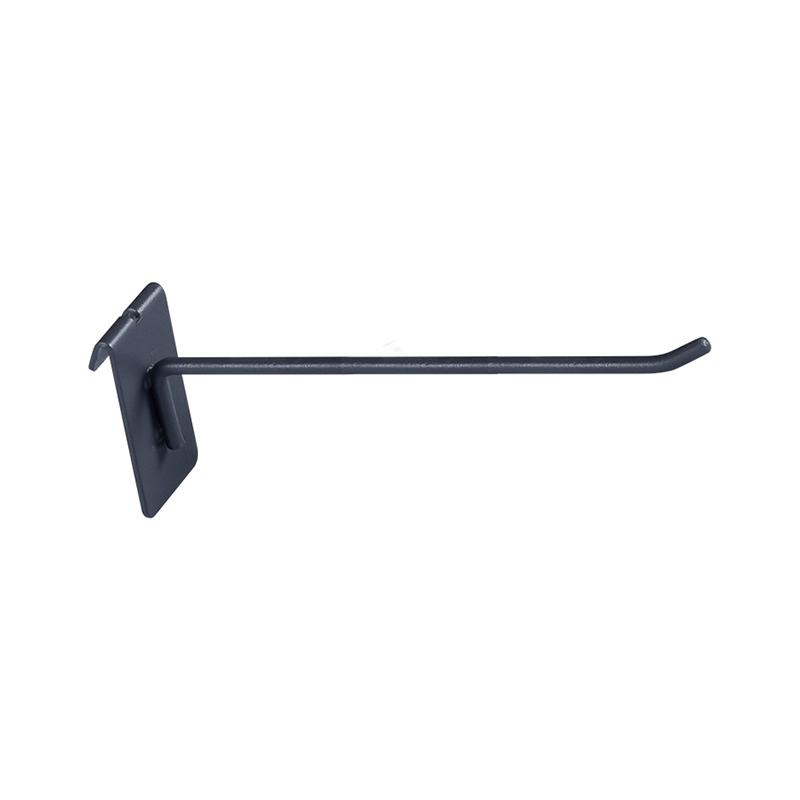
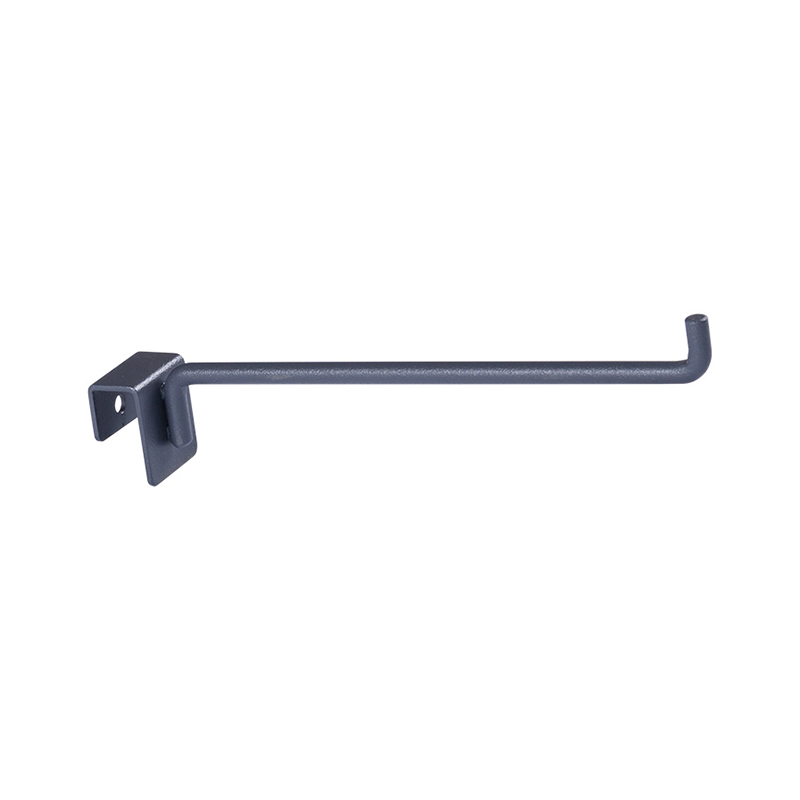
A single wire display hook is formed from a single piece of metal wire, typically steel, that is bent into the desired shape. This design offers simplicity in manufacturing and installation, making it a cost-effective choice for retailers. Single wire hooks are available in various wire diameters, typically ranging from 0.148 inch to 0.225 inch, with smaller diameters used for lightweight items and larger diameters for heavier merchandise. The single wire design is straightforward and works well with a variety of package hole styles, making it a versatile solution for many retail environments.
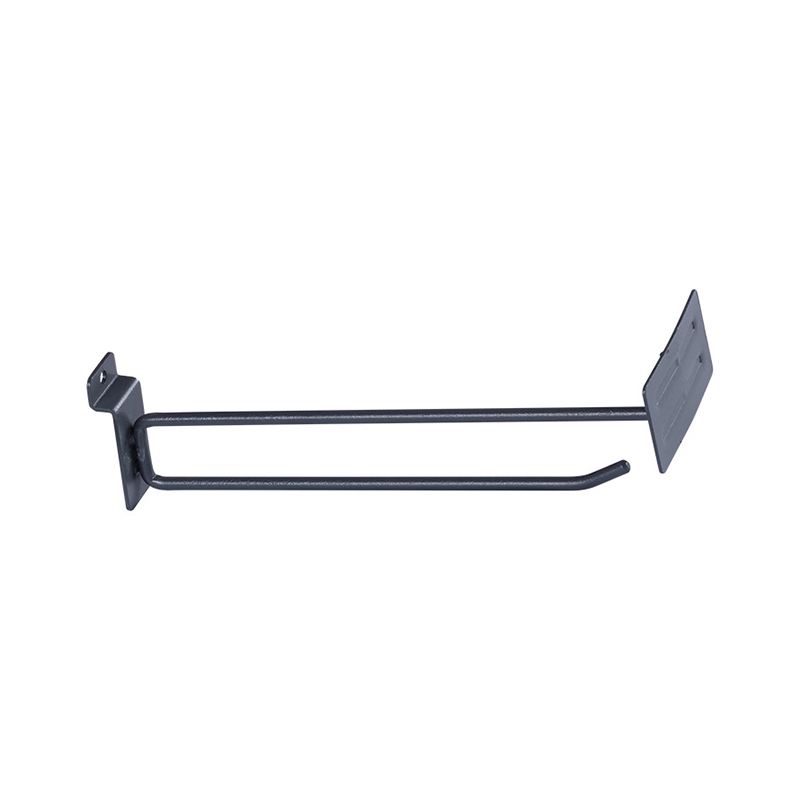
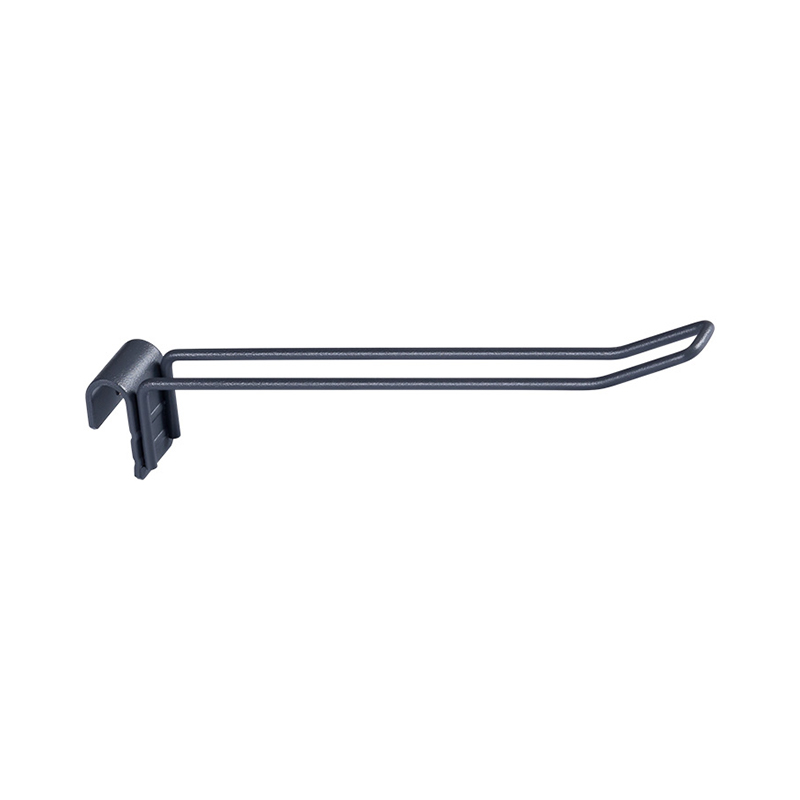
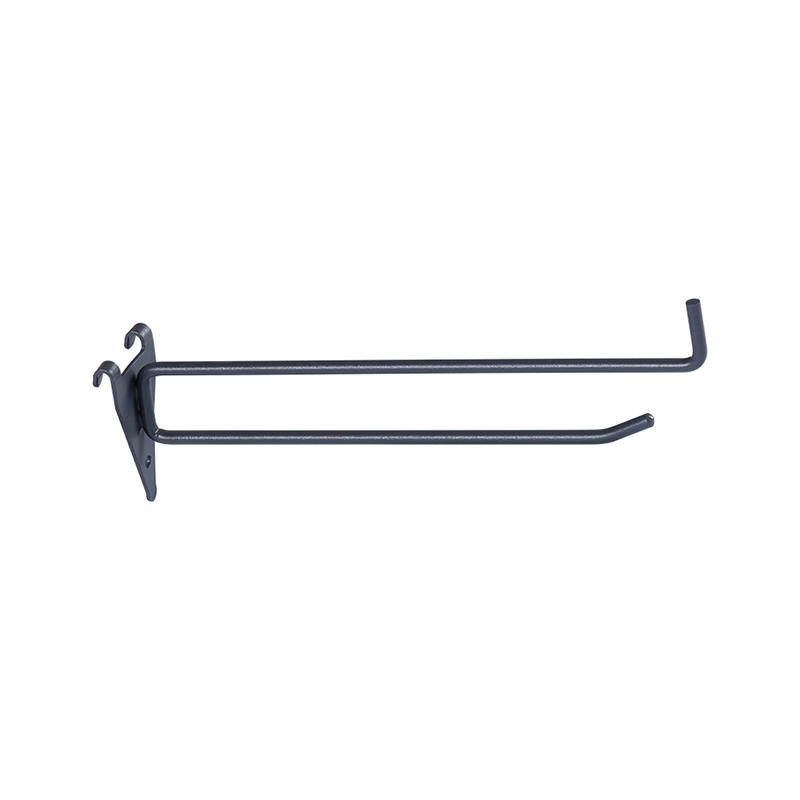
A double wire display hook, on the other hand, utilizes two parallel wires that are welded or formed together to create a stronger, more stable structure. The double wire construction provides superior strength and stability compared to single wire hooks, preventing sagging and ensuring products are displayed securely. This design is particularly beneficial for displaying heavier products or for applications where the hook may experience significant weight over extended periods. The dual contact points also ensure the hook sits straight and securely on the pegboard or slatwall.
These figures highlight the fundamental trade-offs between single and double wire display hooks. Single wire hooks offer superior cost-effectiveness and installation ease, while double wire hooks excel in load capacity and structural stability. The choice depends on your store's specific product mix and merchandising requirements.
Mounting Compatibility and Installation Efficiency
The mounting system is a critical factor in the overall performance of any display hook. Single wire display hooks are available in configurations compatible with standard pegboard (1-inch on-center with 1/4-inch diameter holes), slatwall, and wire grid displays. The single wire design with a flat back plate and curved hook design allows for easy attachment to grid panels for customizable layouts. The minimalist style blends seamlessly into modern retail spaces.
Double wire display hooks, while also compatible with standard display systems, often offer enhanced stability due to their dual contact points. This ensures the hook sits straight and securely on the pegboard or slatwall, reducing the risk of tipping or sagging. For retailers who frequently rearrange their displays, the single wire hook's lightweight design and simple installation make it a more flexible option.
Single wire hooks offer superior installation ease, while double wire hooks provide significantly higher structural stability.
The trend line above illustrates the inverse relationship between installation efficiency and structural stability across different hook configurations. Single wire hooks are easier to install but may offer less stability, while double wire hooks provide greater stability at the cost of slightly more complex installation.
Load Capacity and Product Compatibility
The load capacity of a display hook is primarily determined by the wire diameter and the hook design. Single wire hooks are available in various wire gauges, with 9 gauge (0.149 inch) for standard applications and 4 gauge (0.212 inch) for heavy-duty use. This versatility allows retailers to choose the appropriate hook based on the weight and size of their merchandise.
Double wire display hooks typically offer higher load capacity due to their dual construction. This makes them ideal for displaying heavier items, such as tools, kitchenware, or larger packaged goods. The enhanced stability of double wire hooks also reduces the risk of sagging or bending over time, which can be a concern with single wire hooks loaded to capacity. For a comprehensive range of display solutions, manufacturers like Suzhou CERS offer a wide selection of single wire display hook options designed to meet diverse retail needs.
Determine whether a single or double wire configuration is needed based on the weight and size of the merchandise to be displayed. Consider the product's packaging and hanging mechanism.
Select the appropriate wire gauge for the intended load. 9 gauge is suitable for lightweight items, while 4 gauge is recommended for heavier merchandise. Double wire hooks offer enhanced load capacity.
Mount the hook securely on the appropriate display surface—pegboard, slatwall, or wire grid. Ensure the hook is properly aligned and stable before loading merchandise.
The selection process is a straightforward sequence of decisions. First, choose the hook type based on the merchandise's weight. Then, select the appropriate wire gauge for the intended load. Finally, install the hook securely on the display surface. This simple process ensures optimal product presentation and safety.
Safety and Anti-Theft Considerations
Retail security is a growing concern, and display hooks play a crucial role in preventing theft. Single wire display hooks can be equipped with product stops or inventory control devices that prevent merchandise from being easily removed. The upturn style end with a ball tip on many single wire hooks also adds a safety feature, reducing the risk of injury to customers and staff.
Double wire hooks, with their enhanced stability and strength, provide a more secure display platform for high-value items. The dual contact points make it more difficult to dislodge the hook from the display surface, reducing the risk of accidental or intentional removal. For retailers concerned about loss prevention, the double wire configuration offers an added layer of security.
Double wire hooks offer superior security, while single wire hooks with product stops provide enhanced theft deterrence.
The security performance chart demonstrates that double wire hooks offer the highest security rating, with single wire hooks with product stops providing enhanced protection compared to standard single wire hooks. This data can guide retailers in selecting the appropriate hook configuration for high-value merchandise.
Side-by-Side: Single Wire vs. Double Wire Display Hook
| Feature | Single Wire Display Hook | Double Wire Display Hook |
|---|---|---|
| Construction | Single piece of wire, typically steel | Two parallel wires welded or formed together |
| Cost | Lower cost, more economical for large quantities | Higher cost due to additional material and manufacturing |
| Load Capacity | Varies by gauge, suitable for lightweight to medium items | Higher load capacity, ideal for heavy items |
| Stability | Good, but may sag under heavy loads | Excellent, resists sagging and bending |
| Installation | Simple and straightforward | Slightly more complex due to dual points |
| Security | Can be equipped with product stops | Enhanced security through dual contact points |
| Variety | Wide range of sizes, finishes, and configurations | Available in various lengths and gauges |
| Application | Lightweight goods, retail displays, general merchandising | Heavy items, high-traffic areas, loss prevention |
| Wire Diameter | 0.149" to 0.225" (9 to 4 gauge) | Typically 0.186" to 0.225" (7 to 4 gauge) |
| Compatibility | Pegboard, slatwall, wire grid, hangrail | Pegboard, slatwall, wire grid |
The table above reveals a clear pattern: single wire display hooks offer cost-effective versatility for lightweight to medium merchandising, while double wire hooks provide superior strength and stability for heavy-duty applications. The choice depends on the specific needs of your retail environment and product mix.
Making the Right Choice: Application-Driven Decision Points
Choosing between a single wire and double wire display hook requires answering five practical questions about your retail environment and merchandise.
1. What is the weight and size of the merchandise?
Lightweight items like jewelry, cosmetics, or small accessories can be effectively displayed on single wire hooks. Heavier items such as tools, kitchenware, or hardware products require the enhanced strength of double wire hooks.
2. What is the expected customer interaction?
High-traffic areas with frequent customer handling may benefit from the durability and stability of double wire hooks. Single wire hooks are suitable for lower-traffic areas where merchandise is selected less frequently.
3. What is the budget for display hardware?
Single wire hooks offer a more cost-effective solution for large-scale merchandising, while double wire hooks represent a higher initial investment but may offer better long-term value through enhanced durability.
4. What are the security requirements?
High-value or theft-prone items may require the enhanced security features of double wire hooks. Single wire hooks can be equipped with product stops as a cost-effective alternative.
5. What is the display surface configuration?
Both hook types are compatible with standard pegboard and slatwall systems. However, the installation and stability may vary depending on the specific display surface and mounting hardware.
Beyond the Purchase: Lifecycle Cost and Reliability
The initial cost of a single wire display hook is typically lower than a comparable double wire model. However, the total cost of ownership over a 5-10 year retail lifecycle tells a different story. Double wire hooks, with their enhanced durability and resistance to bending, may require fewer replacements over time, particularly in high-traffic environments.
Maintenance is another differentiator. Single wire hooks are easier to replace and can be quickly swapped out during store resets. Double wire hooks, while more durable, may require more effort to install and adjust. Retailers should consider the frequency of store resets and re-merchandising activities when selecting hook types.
Single wire hooks excel in cost and variety, while double wire hooks lead in load capacity, stability, and security.
Final Verdict: When to Choose Which
- Your merchandise is lightweight to medium weight.
- Cost-effectiveness is a primary concern.
- You need a wide variety of sizes and finishes.
- Installation simplicity and flexibility are important.
- You have a limited budget for display hardware.
- Your merchandise is heavy or bulky.
- Enhanced structural stability is required.
- You are displaying high-value or theft-prone items.
- You want to minimize the risk of sagging or bending.
- You have a long-term perspective on display durability.
In practice, many retailers use a combination of both: single wire hooks for general merchandise and double wire hooks for specific departments like hardware or electronics. The key is to apply each technology where its strengths matter most, rather than forcing one solution to fit every need.
Maintenance and Compliance: Protecting Your Investment
Regardless of which hook type you choose, a documented maintenance program is essential. Regular inspections of display hooks can identify signs of wear, bending, or corrosion before they become a safety hazard. For single wire hooks, check for any bending or deformation that could affect load capacity. For double wire hooks, inspect the welded joints for any signs of stress or separation.
Compliance with regional standards is another layer of responsibility. While specific display hook regulations may vary, ensuring that your hooks meet basic safety and load requirements is important. Look for hooks that are manufactured with industrial-grade metal and that have been tested for load capacity and structural integrity.
Frequently Asked Questions
- US Patent 9,435,144: Display Hook with Locking Device
- US Patent Application 20030057336: Anti-Tip Display Hook
- US Patent 7,338,021: Metal Stamped Hook Back
- US Patent 4,869,376: Inventory Control Device for Display Hook
- Kinter Product Catalog: Single Prong All-Wire Pegboard Hook
- Accio: Single Wire Slatwall Hook Market Overview
- Harrison Products: Merchandising Display Hooks Buying Guide
- VINACNC: Custom Double Wire Pegboard Hooks
- XYX Rack: Powder Coated Single Wire Pegboard Hook Specifications
- Alibaba: Single Wire Slatwall Display Hook Technical Specifications

- Quick Links
- Home
- About Us
- Sustainable
- News
- Contact Us
- Products
- Supermarket shelf
- Storage rack
- Shopping cart
- Shopping basket
- Shelving Accessories
- Display rack
- Contact us
-
-
+86-18852916580

-
[email protected]

-
No. 9 Yongxin Road, Wangzhuang Industrial Park, Shanghu Town, Changshu City, Jiangsu Province, China

-

