- Tel: +86-18852916580
- Suzhou CERS Commercial Equipment Co., Ltd.
- Email: [email protected]
- Tel: +86-18852916580
- Suzhou CERS Commercial Equipment Co., Ltd.
- Email: [email protected]


 Español
  عربى
عربى  Deutsch


Display Steel Rack: Comprehensive Guide for Retail & Industrial Display Solutions
Content
- 1 Engineering Fundamentals of Display Steel Racks
- 2 Types and Configurations of Display Steel Racks
- 3 Technical Specifications and Engineering Parameters
- 4 Application Scenarios Across Industries
- 5 Comparison with Alternative Materials
- 6 Selection Considerations and Procurement Factors
- 7 Installation and Best Practices
- 8 Maintenance and Care
- 9 Common Mistakes and Overlooked Factors
- 10 Industry Trends and Future Developments
- 11 Conclusion
- 12 Frequently Asked Questions
- 12.1 What is a display steel rack, and what are its primary uses?
- 12.2 How much weight can a standard display steel rack support?
- 12.3 What materials and finishes are available for display steel racks?
- 12.4 How do I select the correct size and configuration for my display rack?
- 12.5 What maintenance is required for a display steel rack?
- 12.6 Are display steel racks suitable for outdoor use?
- 12.7 Can display steel racks be customized for specific applications?
- 12.8 What standards apply to display steel rack safety and design?
A display steel rack represents a structural framework designed to present merchandise, components, or finished goods in an organized, accessible, and visually effective manner. These racks are engineered from steel to provide superior load-bearing capacity, durability, and longevity, making them indispensable across retail environments, warehouses, manufacturing facilities, and commercial showrooms. Unlike wooden or plastic alternatives, steel racks offer consistent performance under heavy loads and are resistant to environmental degradation, ensuring that displayed items remain secure and well-organized over extended periods.
This comprehensive technical guide examines the engineering principles, material specifications, design configurations, and application scenarios of display steel racks. It addresses critical selection factors, performance parameters, and maintenance protocols to support informed specification decisions for industrial and commercial projects.
Engineering Fundamentals of Display Steel Racks
Structural Composition and Design Principles
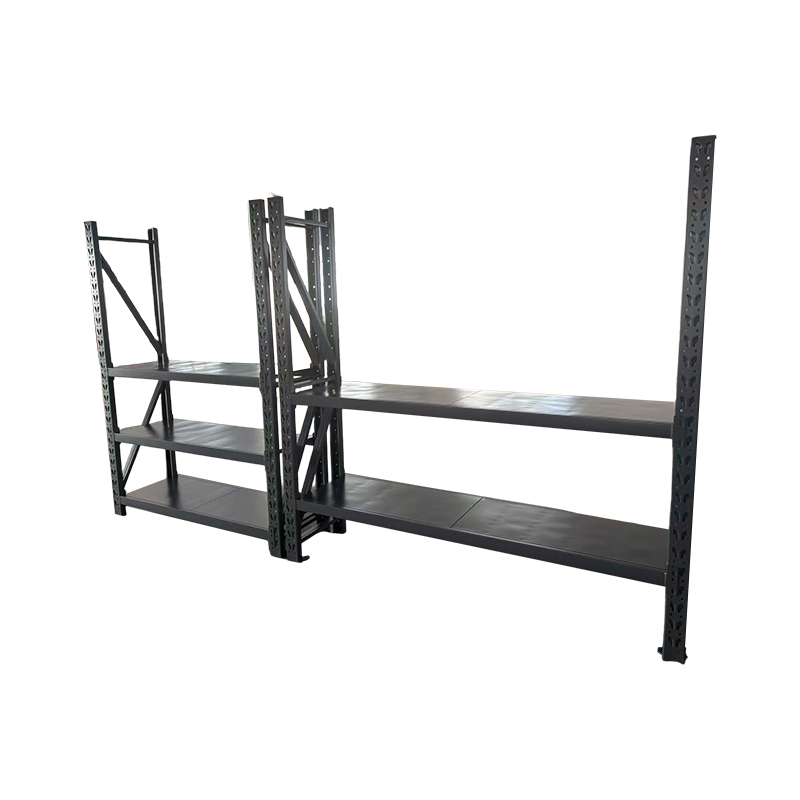
A display steel rack is fundamentally a load-bearing structure composed of vertical uprights, horizontal beams, and shelf decks. The system's integrity depends on proper connections, appropriate material thickness, and correct geometric design. Steel racks are typically fabricated from cold-rolled steel sections that provide a high strength-to-weight ratio. The structural design of a rack is governed by the intended application, anticipated loads, and the physical dimensions of items to be displayed.
The uprights serve as the vertical support members, transmitting loads to the floor through base plates or leveling feet. These components are engineered with perforations or slots along their length, allowing for vertical adjustability of shelf positions. Horizontal beams connect the uprights and support the shelf decks, distributing weight evenly across the structure. Shelf decks are typically fabricated from steel sheets, expanded metal, or wire mesh, depending on the application's requirements for visibility, airflow, or surface finish.
The engineering principles employed in display steel racks include column buckling analysis, beam deflection calculations, and connection design. Load paths must be clearly understood to ensure that forces are transmitted efficiently from the load to the floor. Safety factors are incorporated into the design to account for dynamic loads, uneven loading, and variations in material properties.
Material Specifications and Properties
The selection of steel for display steel racks is based on several material properties. The most commonly used steel grades are ASTM A36 for structural components and A653 for galvanized steel sheets. The mechanical properties of these materials—including tensile strength, yield strength, and ductility—determine the rack's load capacity and fatigue resistance. Surface finishes such as powder coating, electroplating, or hot-dip galvanizing protect the steel from corrosion and enhance the aesthetic appearance of the rack.
Powder coating is the most widely applied finish for display racks because it provides excellent coverage, color consistency, and scratch resistance. The coating is applied electrostatically and then cured at high temperatures, creating a durable and smooth surface. For humid environments or applications involving chemical exposure, a galvanized surface may be specified to provide optimal corrosion protection. Stainless steel racks are available for applications where hygiene is critical, such as food and pharmaceutical displays.
Structural Integrity and Load Analysis
The load capacity of a display steel rack is governed by several factors, including material thickness, the span between uprights, connection methods, and bracing configuration. The primary load-carrying elements are the beams, which must be designed to resist bending moments and shear forces. The uprights must withstand the cumulative vertical loads from the shelves and also resist potential lateral forces induced by uneven loading or seismic events.
Deflection control is another important design consideration. Excessive deflection can cause misalignment of the displayed items and may lead to instability. Engineering standards typically limit deflection to L/240 or less, where L is the span length. Proper bracing is essential for preventing rack sway or collapse under load. Cross-bracing or back panels provide resistance to horizontal forces and improve the overall stability of the rack structure.
Types and Configurations of Display Steel Racks
Single-Sided Display Racks
Single-sided display steel racks are designed for placement against a wall or partition. These racks utilize a single row of uprights and beams to support shelves on one side only. The depth of single-sided racks is typically less than double-sided designs, allowing efficient use of space along walls and walkways. These racks are common in retail showrooms, showroom displays, and product presentation areas where floor space is limited.
Double-Sided Display Racks
Double-sided display steel racks feature uprights and shelving on both faces of the rack. This configuration maximizes display density and is often used in warehouse stores and mass merchandising environments where products are displayed on both sides of an aisle. The additional load-bearing capacity required for double-sided racks may necessitate thicker uprights or additional cross-bracing.
Heavy-Duty Mobile Display Racks
Mobile display steel racks incorporate casters or wheels to allow for movement and reconfiguration. These racks are typically used in exhibition halls, trade show booths, and retail environments where displays must be repositioned regularly. The casters are selected based on load capacity and floor conditions. Locking casters are essential for maintaining the rack in a fixed position once it is placed.
Adjustable Height and Modular Display Racks
Modular display steel racks are designed with adjustable shelf positions and interchangeable components. These racks can be configured in multiple ways to accommodate different display requirements. The shelves are typically mounted on brackets that engage with perforations or slots in the uprights, allowing for vertical adjustment in small increments. The modularity of these racks offers flexibility for changing display needs and reduces the requirement for specialized equipment for each application.
Multi-Tier and Floor Display Racks
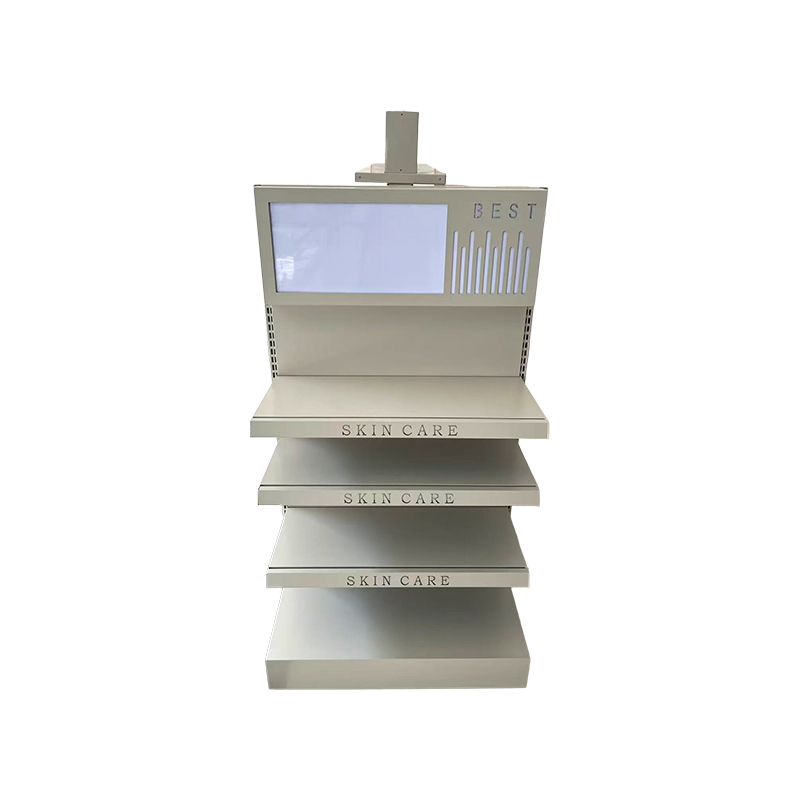
Multi-tier display steel racks are specifically designed for floor display applications. They often incorporate three or more shelves and may include features such as tilting shelves, slat-wall backing, or integrated signage. These racks are commonly used to display small to medium-sized products in retail environments. The tiered design allows for a variety of products to be displayed in a single, compact footprint, maximizing the use of floor space and improving product visibility.
Technical Specifications and Engineering Parameters
Load Capacity and Rating Systems
The load capacity of a display steel rack is specified as a uniform distributed load per shelf or as a total capacity for the entire rack. The capacity is determined by structural analysis and validated through physical testing according to recognized standards. Manufacturers often provide load tables that indicate the allowable load for various shelf sizes, beam spans, and upright configurations. Engineering professionals should always verify the rated capacity of a display rack before specifying it for a given application.
The load rating of a display steel rack depends on multiple factors, including the material thickness of the components, the gauge of the steel, the depth of the beam sections, and the connection method used to join the beams to the uprights. As a general guideline, standard-duty racks are rated for shelf loads of 250 to 350 pounds per shelf, while heavy-duty racks can support up to 1,000 pounds per shelf or more.
Dimensions and Standard Sizes
Display steel racks are available in standard sizes based on shelf width, depth, and height dimensions. Common widths range from 24 to 96 inches, depths range from 12 to 48 inches, and heights typically range from 30 to 120 inches. Custom dimensions are available for applications requiring specific space utilization. The shelf size is often selected based on the dimensions of the items to be displayed, while the rack height is chosen to maximize vertical space without exceeding ergonomic reach limits.
Surface Finish and Coating Systems
The surface finish of a display steel rack is critical for both aesthetics and durability. Powder coating is the preferred finish for most display applications because it offers superior adhesion, impact resistance, and color retention. The coating process involves electrostatically applying a dry powder to the steel surface, followed by heat curing to create a tough and durable film. The coating thickness is typically 50 to 100 micrometers, providing adequate protection against scratches and corrosion.
In environments with high humidity or exposure to chemicals, a hot-dip galvanized finish may be specified. This process provides a metallic zinc coating of 70 to 100 micrometers, offering excellent protection against corrosion. The galvanized surface has a characteristic spangled appearance and can be used without additional painting or coating.
Floor Interface and Footing Systems
The interface between a display steel rack and the floor is critical for stability. Leveling feet or shims are used to compensate for floor irregularities and ensure that the rack is plumb and stable. The type of foot system depends on the floor construction, load requirements, and the need for mobility. Adjustable leveling feet can be turned in or out to level the rack, while plain feet are used for low loads and smooth floors. Anchor bolts or bases may be required for heavy-duty or seismic applications.
Application Scenarios Across Industries
Retail Merchandising
In retail environments, display steel racks are used to present products to customers in an organized and visually appealing manner. These racks are often placed near store entrances, within high-traffic areas, or at the end of aisles to capture consumer attention. The choice of rack configuration depends on the type of merchandise being displayed. For example, small consumer electronics may be displayed on racks with adjustable shelves to accommodate different product sizes, while apparel may require racks with hanging rods.
Warehouse and Bulk Storage
In warehouse facilities, display steel racks are used for both storage and display of goods. These racks are typically designed to hold pallets or large containers, with capacities ranging from 2,000 to 5,000 pounds per shelf. The configuration may include selective pallet racks, drive-in racks, or push-back racks, each designed for specific storage and retrieval needs. The use of steel racks in warehouses reduces handling times, improves inventory organization, and protects stored items from damage.
Exhibition and Trade Show Displays
At trade shows and exhibitions, display steel racks are used to present products and promotional materials to potential customers. These racks must be lightweight enough for easy transport but sturdy enough to support displayed items and withstand handling. Mobile racks with locking casters are common in these settings because they can be repositioned within the booth area or moved from one booth location to another. The racks are often equipped with lighting, signage, or other features to enhance product presentation.
Industrial and Manufacturing Settings
In industrial facilities, display steel racks are used for storing and organizing components, tools, and materials. These racks are designed to be durable and capable of supporting heavy loads. Applications include storing automotive parts, metal components, and other heavy items. The racks may be equipped with bins, drawers, or dividers to improve organization and inventory management.
Food Service and Pharmaceutical Displays
Food service and pharmaceutical applications demand racks that meet stringent hygiene standards. Display steel racks for these environments are typically made from stainless steel or finished with FDA-approved coatings. The design of these racks minimizes corners and crevices where bacteria could accumulate, allowing for easy cleaning and sanitization. Applications include displaying packaged foods, pharmaceuticals, and healthcare products in hospitals, pharmacies, and supermarkets.
Comparison with Alternative Materials
Display Steel Racks vs. Wooden Displays
Wooden display units may be less expensive for small-scale applications, but display steel racks provide advantages in durability, load capacity, and product consistency. Steel racks are unaffected by moisture or insect damage, offer predictable performance, and maintain their appearance over time. Steel racks also provide flame retardancy and structural stability, making them safer in public spaces. The load capacity of a typical wooden shelf is generally limited to 100–200 pounds, while steel shelves can support 500 pounds or more without significant deflection.
From a lifecycle cost perspective, steel racks often prove more economical despite a higher initial cost. Wooden displays may require replacement or refinishing after a few years, especially in humid or high-traffic environments. Steel racks, with proper maintenance, can last for decades without significant degradation.
Display Steel Racks vs. Plastic or Polymer Displays
Plastic display units are lightweight and may be adequate for lightweight merchandising. However, display steel racks offer superior structural integrity for heavier loads and longer service life. Steel racks are not susceptible to UV degradation, cracking, or warping under temperature changes. Steel is also recyclable, supporting sustainability objectives in industrial applications.
Plastic displays are often limited in customization options, and their load capacity is generally lower than steel racks. Steel racks can be fabricated to exacting specifications and are available with a wide range of finishes and accessories.
Display Steel Racks vs. Wire-Mesh Displays
Wire-mesh displays offer the advantage of visibility through the display, making them suitable for applications where customers need to see through the rack to view displayed products. However, display steel racks with solid shelves provide more robust support and better load distribution for heavy or delicate items. The choice between the two depends on the specific application, load requirements, and aesthetic preferences.
Selection Considerations and Procurement Factors
Application Requirements and Load Profiling
The most critical factor in selecting a display steel rack is defining the application requirements. The intended use of the rack determines the required load capacity, shelf dimensions, and mounting configuration. Projects should begin with a thorough load profile, including the weight of the items to be displayed, the distribution of that weight, and any dynamic loads that may be applied during use. An analysis of access requirements, including frequency of loading and unloading, helps determine the appropriate shelf design and accessibility features.
Space Constraints and Ergonomics
The available floor space and the desired product presentation height are critical factors in rack selection. Display steel racks should be selected to optimize the use of available space while maintaining ergonomic access for users. Shelves should be positioned so that users can easily reach products without excessive bending or stretching. The ADA or applicable local guidelines may dictate the clearance and reach dimensions for commercial displays.
Environmental and Operational Conditions
Environmental factors such as temperature, humidity, and exposure to chemicals should be considered during the selection of a display steel rack. For outdoor applications or areas with high humidity, corrosion-resistant finishes such as galvanizing or stainless steel are essential. Facilities that experience seismic activity may require specialized rack bracing and anchorage to prevent damage or collapse. Operational conditions such as fork-lift traffic or exposure to abrasive materials should also be considered.
Compliance with Standards and Regulations
Display steel racks should comply with applicable standards and codes. In the United States, the Rack Manufacturers Institute (RMI) provides guidelines for storage rack design and safety. Compliance with these guidelines indicates that the rack is designed to industry-recognized standards for safety and performance. Local building codes may also require specific seismic or fire protection measures for racks above a certain height or load capacity.
Accessories and Customization
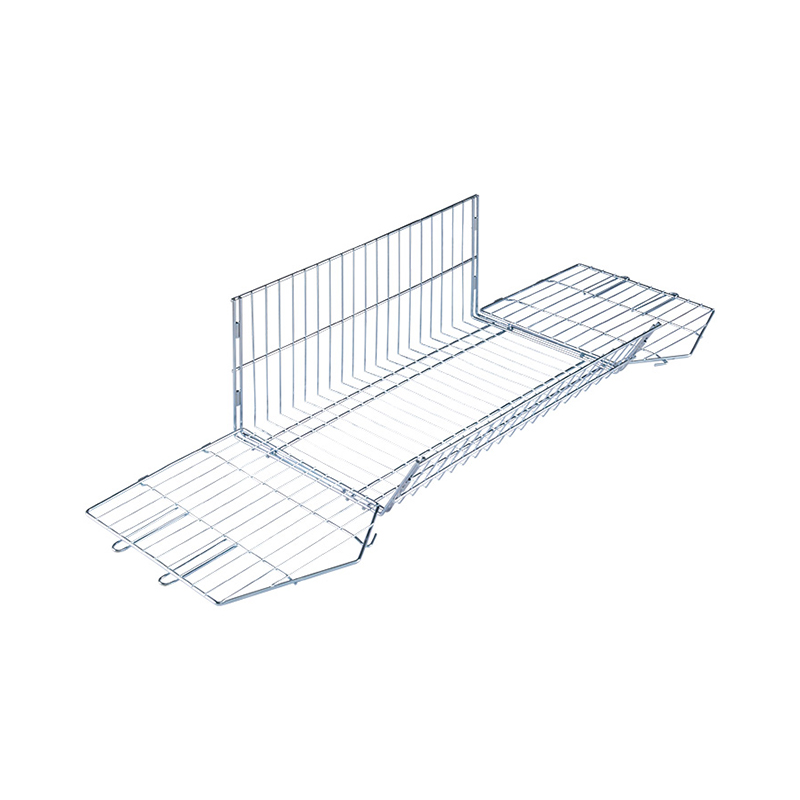
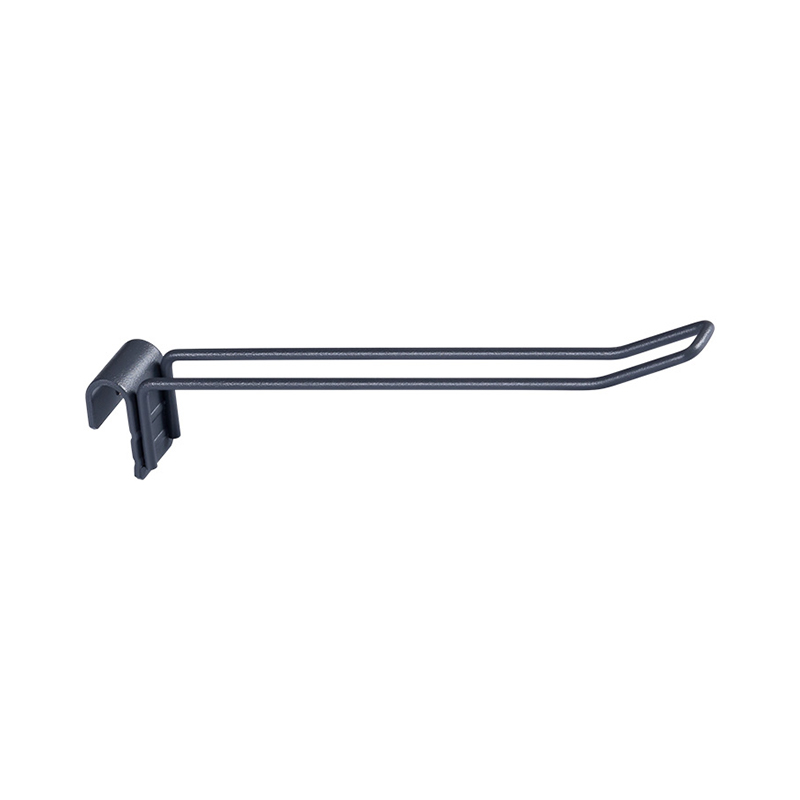
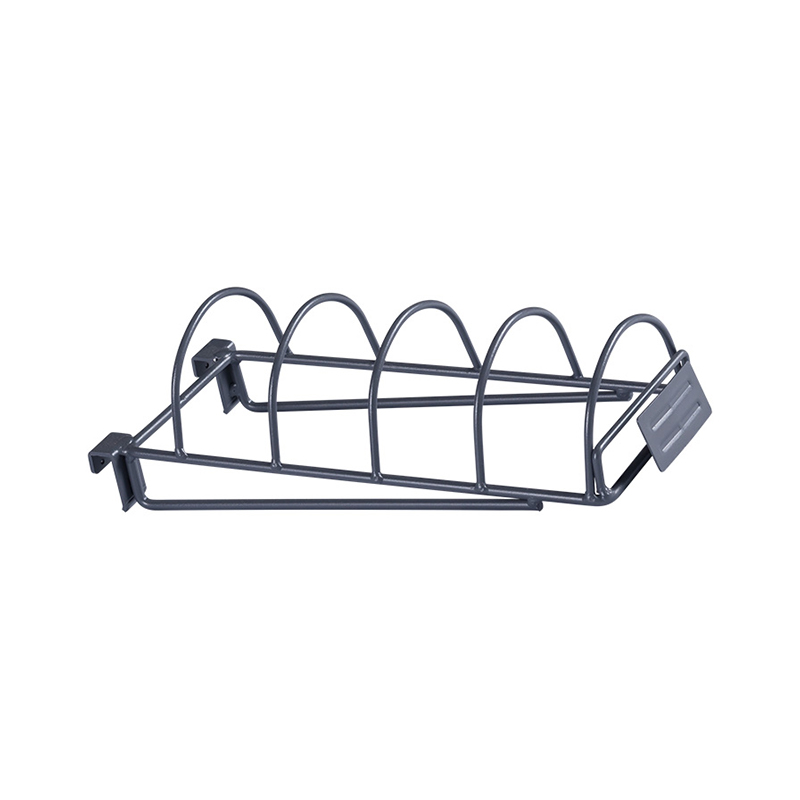
Accessories can enhance the functionality of a display steel rack for specific applications. Slat-wall backing allows hanging display items, while dividers separate different products on the same shelf. Lighting and signage can improve visibility and product presentation, increasing the effectiveness of the display. Modular designs allow for component replacement and system expansion without replacing the entire rack.
Installation and Best Practices
Preparation and Site Assessment
Before installing a display steel rack, the installation area should be assessed for the following factors: floor flatness, load-bearing capacity, and the presence of obstacles or utilities. The floor should be level to within 1/8 inch over 10 feet to ensure proper rack alignment and load distribution. Floor anchors or leveling feet may be required to compensate for surface irregularities. For heavy-duty racks, the floor must support the rack weight and contents without excessive deflection.
Assembly and Erection Procedures
Assembly of a display steel rack should be conducted according to the manufacturer's instructions. Components should be assembled in the correct sequence to avoid misalignment or damage. Connections should be tightened to the specified torque, and additional bracing or anchoring should be installed according to the design. Lifting and erecting the rack may require specialized equipment, especially for tall or large racks. Trained personnel should perform the assembly to ensure that the rack is assembled correctly and safely.
Post-Installation Verification
After installation, the display steel rack should be inspected to ensure it is plumb, level, and stable. This inspection should verify that all connections are tight, all components are undamaged, and all safety features are functional. Load testing may be necessary for racks carrying heavy loads or operating in critical applications. A load test is performed by applying a predetermined load to the rack and observing its deflection and stability. Any issues identified during the post-installation verification should be resolved before the rack is placed into service.
Maintenance and Care
Routine Inspection Protocols
Regular inspection of display steel racks is essential to ensure their continued safety and performance. Inspections should include visual examination for signs of damage, including bent or deformed members, loose connections, and corrosion. The uprights should be checked for impact damage or misalignment. Shelf supports should be examined for signs of fatigue or excessive deflection. Inspection checklists should be used to ensure that all components are reviewed and any issues are documented.
Cleaning and Surface Maintenance
Maintaining the surface finish of a display steel rack preserves its appearance and protects against corrosion. Cleaning should be performed with mild detergents and soft cloths to avoid damaging the finish. Abrasive cleaners should be avoided because they can scratch the powder coating or remove the protective layer. Prompt removal of spills prevents staining and surface deterioration. For galvanized racks, a simple wash with mild soap and water is typically sufficient to maintain the zinc coating.
Repair and Replacement Considerations
When damage is detected, a qualified engineering professional should assess the repair options. Minor surface damage such as scratches can be touched up with matching paint. However, structural damage such as bending, cracking, or significant corrosion may require replacement of the affected component. Replacement components should be obtained from the same manufacturer to ensure compatibility. Bolted connections that show signs of rust or deformation should be replaced promptly.
Common Mistakes and Overlooked Factors
Underestimating Load Requirements
One of the most common mistakes in the selection of a display steel rack is underestimating the actual load that the rack will support. This can lead to selecting a rack with insufficient capacity, resulting in deflection, instability, or even collapse. Project specifications should account for the maximum anticipated load, including any future increases in stored items. Consulting the manufacturer's load tables and applying appropriate safety factors can prevent this issue.
Improper Anchorage and Floor Preparation
Failure to properly anchor or level a display steel rack can lead to instability or tipping. This is especially critical for tall or heavily loaded racks. Floor preparation should include verifying that the floor is level and capable of supporting the rack loads. Anchor bolts or expansion anchors should be installed according to the manufacturer's instructions to ensure proper load transfer.
Inadequate Seismic Design
In regions with seismic activity, the selection and installation of a display steel rack must account for earthquake loads. This includes using seismic bracing, ensuring proper anchorage, and selecting rack components capable of withstanding lateral forces. Failure to address seismic design can result in catastrophic failure during an earthquake, causing both property damage and safety hazards.
Neglecting Material Compatibility
In applications where the rack comes into contact with moisture, chemicals, or other corrosive substances, material compatibility should be carefully evaluated. The use of plain steel racks in environments where they will be exposed to moisture can result in rapid corrosion. Selecting appropriate coatings or materials, such as galvanized or stainless steel, is essential for long-term durability.
Industry Trends and Future Developments
Lightweight High-Strength Steel Alloys
Developments in high-strength low-alloy (HSLA) steel are enabling display steel racks with increased load capacity and reduced weight. These materials provide higher yield strength and improved fatigue resistance compared to conventional construction steel. The use of HSLA steel allows for thinner sections, reducing the weight of the rack without reducing its capacity. This trend is expected to continue, leading to more efficient and cost-effective rack designs.
Advanced Surface Finishing Technologies
New surface finishing technologies, including nano-coatings and advanced powder coatings, are improving the durability and functionality of display steel racks. These coatings can offer enhanced resistance to corrosion, UV radiation, and abrasion. Advances in coating technology are also enabling new aesthetic options, including textures and finishes that mimic other materials while preserving the strength and durability of steel.
Integration with Digital Displays and IoT
The integration of electronic displays and Internet of Things (IoT) technology into display steel racks is an emerging trend. These smart racks incorporate digital displays that show product information, pricing, and promotional content. Sensors embedded in the rack can monitor inventory levels, track product movement, and provide real-time data on display performance. This technology is being adopted in retail environments to enhance the customer experience and improve operational efficiency.
Sustainable Manufacturing and Circular Economy
Sustainability is increasingly important in the display rack industry. Manufacturers are focusing on increasing the recycled content of steel used in display steel racks, reducing the energy consumption of manufacturing processes, and designing racks for easy disassembly and recycling at the end of their service life. The development of modular, repairable designs extends the useful life of display racks and reduces waste in industrial applications.
Conclusion
The display steel rack remains a fundamental element in commercial and industrial environments, providing dependable support for merchandise and components. Its superior strength, material versatility, and adaptability make it the standard solution for a broad spectrum of display applications. Professionals involved in project specification or facility management should maintain a thorough understanding of rack types, engineering principles, and industry standards to ensure optimal performance, safety, and longevity. Attention to proper selection, installation, and maintenance extends the service life of display steel racks and enhances the operational efficiency of retail and industrial displays.
Frequently Asked Questions
What is a display steel rack, and what are its primary uses?
A display steel rack is a steel-framed structure used to present and organize items in retail, industrial, exhibition, or storage environments. Its primary uses include displaying consumer goods in stores, organizing parts and tools in workshops, presenting products at trade shows, and storing industrial components in warehouses.
How much weight can a standard display steel rack support?
The load capacity of a display steel rack varies by design, material gauge, and configuration. Standard-duty racks typically support 250 to 350 pounds per shelf, while heavy-duty racks can support 500 to 1,000 pounds per shelf or more. Load capacity tables provided by the manufacturer should be referenced for specific rack configurations.
What materials and finishes are available for display steel racks?
Display steel racks are fabricated from structural steel, cold-rolled steel, or stainless steel. Finishes include powder coating in a range of colors, hot-dip galvanizing, and electroplating. The choice of material and finish depends on the application environment and aesthetic requirements.
How do I select the correct size and configuration for my display rack?
Selection depends on several factors: the dimensions and weight of the items to be displayed, the available floor space, the required shelf height and depth, the intended access method, and any applicable regulations. Evaluating the physical constraints and user requirements will help determine the optimal size and configuration.
What maintenance is required for a display steel rack?
Routine maintenance includes regular visual inspections for damage or corrosion, cleaning with mild detergent to maintain the finish, and checking that all connections remain secure. Any damaged components should be repaired or replaced promptly. Severe environmental exposure may require more frequent maintenance.
Are display steel racks suitable for outdoor use?
Yes, display steel racks can be used outdoors if they are constructed from corrosion-resistant materials such as stainless steel or hot-dip galvanized steel. The finish and design should be selected to withstand the specific outdoor conditions, including temperature extremes, moisture, and UV exposure.
Can display steel racks be customized for specific applications?
Yes, many manufacturers offer customizable display steel racks with adjustable shelf positions, accessories such as slat-wall, signage and lighting, and custom dimensions. Color and finish options are also available to match architectural or branding requirements.
What standards apply to display steel rack safety and design?
In the United States, the Rack Manufacturers Institute (RMI) publishes guidelines for storage rack design and safety. International standards include ISO 9001 for quality management and ISO 14001 for environmental management. Compliance with these standards ensures that the rack meets recognized quality, safety, and performance requirements.

- Quick Links
- Home
- About Us
- Sustainable
- News
- Contact Us
- Products
- Supermarket shelf
- Storage rack
- Shopping cart
- Shopping basket
- Shelving Accessories
- Display rack
- Contact us
-
-
+86-18852916580

-
[email protected]

-
No. 9 Yongxin Road, Wangzhuang Industrial Park, Shanghu Town, Changshu City, Jiangsu Province, China

-

