- Tel: +86-18852916580
- Suzhou CERS Commercial Equipment Co., Ltd.
- Email: [email protected]
- Tel: +86-18852916580
- Suzhou CERS Commercial Equipment Co., Ltd.
- Email: [email protected]


 Español
 عربى
 Deutsch



Modern Shopping Cart China Factory: A Complete Sourcing Guide for Retail Buyers
Content
When a retail group plans six store openings in the second half of 2026, the procurement list usually includes 800 to 1,200 shopping carts in a single order. Each cart affects store labor, customer comfort, and long-term maintenance spend, yet many buyers still select carts by photo and price alone. Choosing a modern shopping cart from a China factory is only the first step; knowing which details matter is what separates a smooth opening from a recurring burden.
This guide covers the four systems that define a modern cart, the reasons China dominates cart manufacturing, the specifications that belong in an RFQ, and a factory audit checklist. Examples draw on how Suzhou CERS Commercial Equipment Co., Ltd. builds carts for supermarket chains across Europe, North America, and the Middle East.
What Defines a Modern Shopping Cart from a China Factory
A modern shopping cart is defined by four engineered systems: silent swivel casters, a frame that nests without jamming, a basket that maximizes volume without adding weight, and a coating that survives outdoor parking-lot conditions. A cart that fails any one of these becomes a maintenance problem within its first year.
Casters deserve the most attention because they touch the customer every trip. Commercial-grade carts use 125 mm to 150 mm wheels with sealed ball bearings, which roll more quietly and need less push force than the 100 mm economy wheels on light carts. In a supermarket processing 400 customer trips per day, the difference shows in floor wear, cart retrieval speed, and fewer seized-wheel service calls.
Frame geometry is the second differentiator. Nesting carts use a tapered chassis so each basket slides inside the next, cutting the parking footprint by roughly 60 percent. When staff collect carts from the lot, that stacking efficiency directly reduces collection trips and storage-bay space.
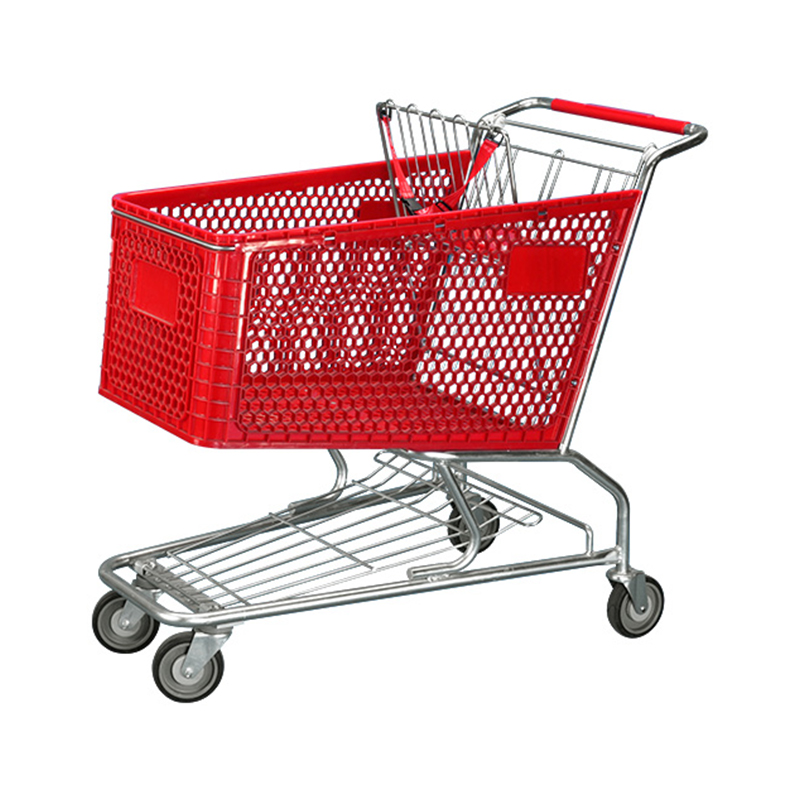
Basket material decides how the cart ages. All-plastic carts eliminate rust on metal mesh baskets in humid climates and wash down easily; they also tend to be lighter. For stores that sell bulky packs, double-tier carts add an upper basket while keeping the lower floor clear for large items.
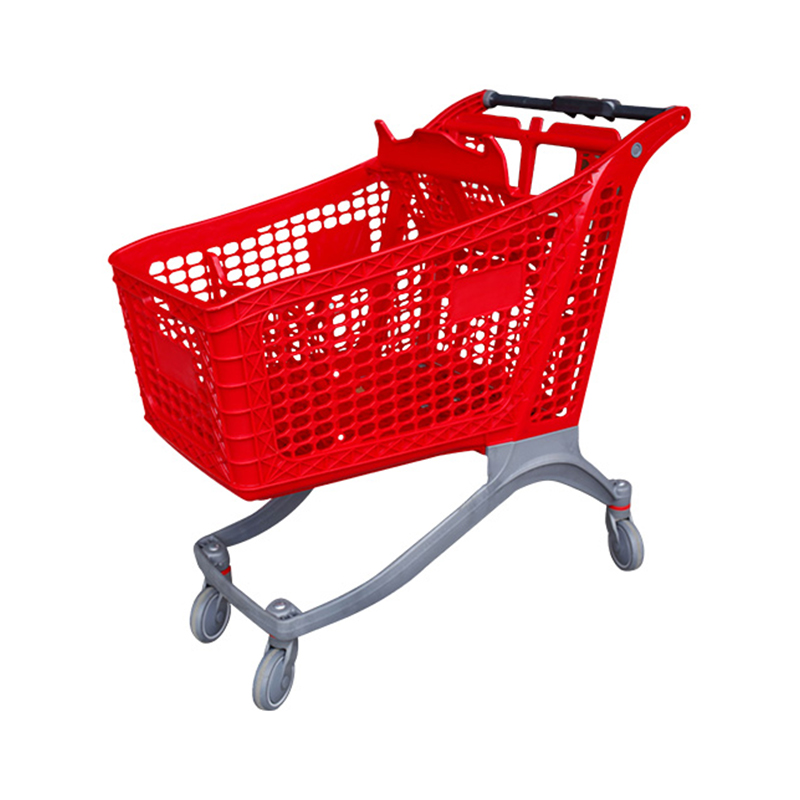 All-Plastic Shopping Cart with Silent Swivel Casters for Humid Retail SettingsThis lightweight, corrosion-resistant cart suits supermarkets, fresh markets, and car washes where moisture and mild chemicals are common. Its four swivel wheels allow tight turns, and the nesting design saves storage space. The product page details measured noise levels and weight range.View Product →
Why a China Factory Leads Modern Shopping Cart Production
China produces most of the world's commercial shopping carts because the manufacturing ecosystem, from steel tube mills and caster producers to powder coating lines, is concentrated within a short trucking radius. A factory in the Yangtze River Delta can coordinate every component without cross-border sourcing, keeping lead times short and quality consistent.
Suzhou CERS Commercial Equipment Co., Ltd. illustrates this model. The company operates a 12,000-square-meter plant in Suzhou, about 100 km from Shanghai, with automatic cart production lines, high-precision tube bending, laser cutting, and robotic welding stations. Its ISO 9001:2008 quality system covers raw material purchasing, production, and finished-goods inspection. For an international buyer, that means one accountable supplier instead of a chain of intermediaries.
Among commercial cart lines, the high-capacity stackable model is the configuration most often reordered by chains because it balances basket volume, nesting behavior, and caster performance.
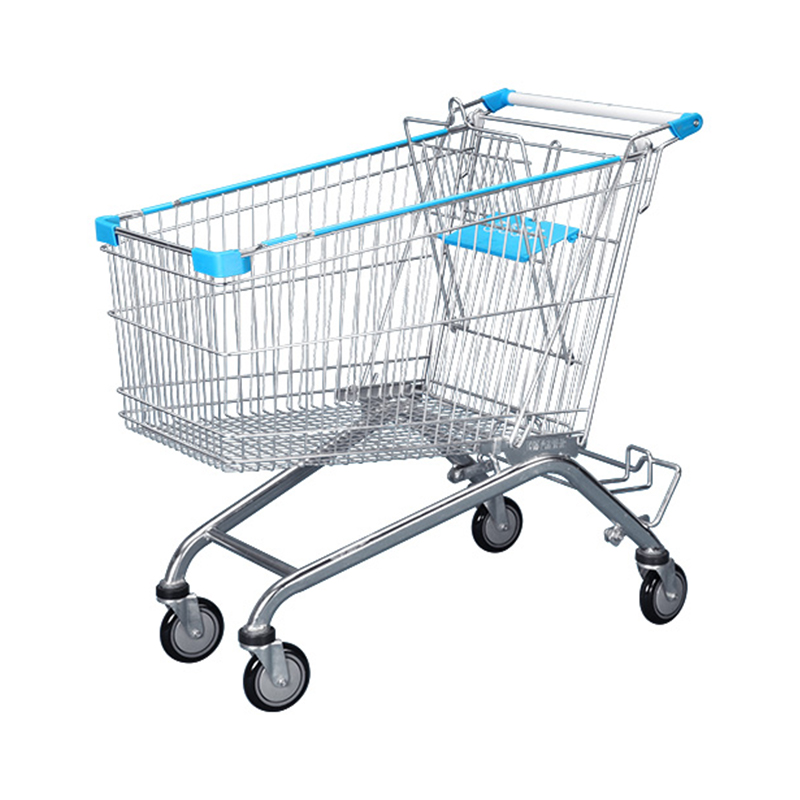 High-Capacity Stackable Commercial Shopping Cart with Quiet CastersDesigned for warehouse stores and chains needing efficient retrieval, this welded steel cart offers 100–180 liter baskets and compact nesting. Double ball bearing TPR or polyurethane wheels keep rolling noise near 50 dB. The page provides frame, wire, and steering specifications for supplier comparison.View Product →
Core Specifications to Put in a Shopping Cart RFQ
The fastest way to compare suppliers is to put five specification groups in your request for quotation: steel grade and tube wall thickness, surface treatment, caster size and bearing type, basket material, and nesting compatibility. A factory that cannot answer all five with concrete numbers is likely a trading desk or a light assembler without production control.
| Specification | Economy grade | Commercial grade | Influence on operations |
| Frame tube wall | 0.8 to 1.0 mm | 1.2 to 1.5 mm | Thicker walls resist bending during nesting and abuse |
| Caster wheel | 100 mm, plain bearing | 125 to 150 mm, ball bearing | Larger wheels roll smoothly over joints and thresholds |
| Basket material | Light steel mesh | Plastic or double-tier steel | Plastic resists rust; double-tier adds vertical storage |
| Surface coating | Spray paint | Powder coating | Powder coating lasts several times longer outside |
| Nesting design | No nesting | Auto-nesting frame | Nesting halves the parking footprint and cuts retrieval labor |
A 1.2 mm frame tube with powder coating costs more at the factory gate, but usually runs five years or more. A thinly painted 0.8 mm frame often shows rust near the welds within twelve months. Over five years, the cheaper cart can cost roughly double in replacements and repairs.
For stores with a high share of large-pack purchases, a double-tier cart gives customers a second basket level without widening the aisle.
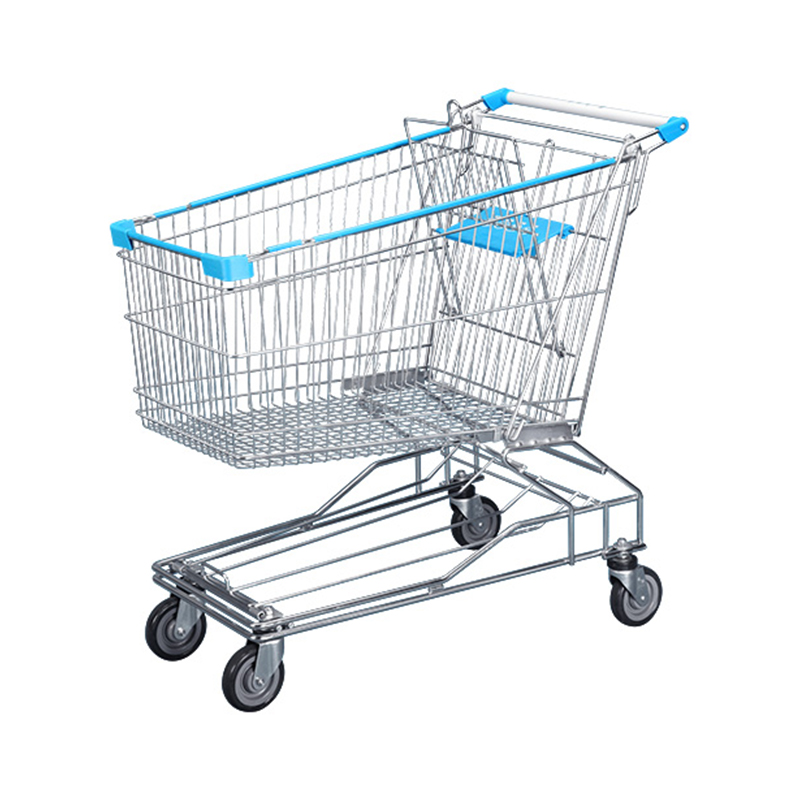 Double-Tier Supermarket Cart with Silent Swivel Casters for High-Volume StoresThis cart separates light and heavy goods across two baskets, reducing crushing while boosting capacity. All four swivel wheels improve maneuverability in narrow aisles, and the nesting feature cuts storage footprint. The product page lists upper and lower basket volumes and frame materials.View Product →
Factory Verification: Five Audit Points Before You Order
A single production visit focused on five areas (welding, coating, casters, nesting, packing) tells you more about a modern shopping cart China factory than any brochure or certificate.
- Inspect weld seams where the basket frame meets the chassis. Continuous, uniform welds with no grinding marks indicate a factory that controls its process; heavy grinding usually hides cracks.
- Ask for a coating thickness gauge reading. Commercial carts should measure 60 to 80 microns. Readings below 50 microns mean rust will appear quickly in humid stores.
- Spin-test ten random casters from the finished-goods area. Wheels should rotate without wobble, and the swivel head should turn smoothly with no clicking or binding.
- Stack a full set of carts and observe the nesting alignment. Consistent tolerances prevent the jamming that slows cart retrieval.
- Review the export packing standard: carton strength, wheel protection, and padding between metal contact points. Packing defects cause more transit damage than any other factor.
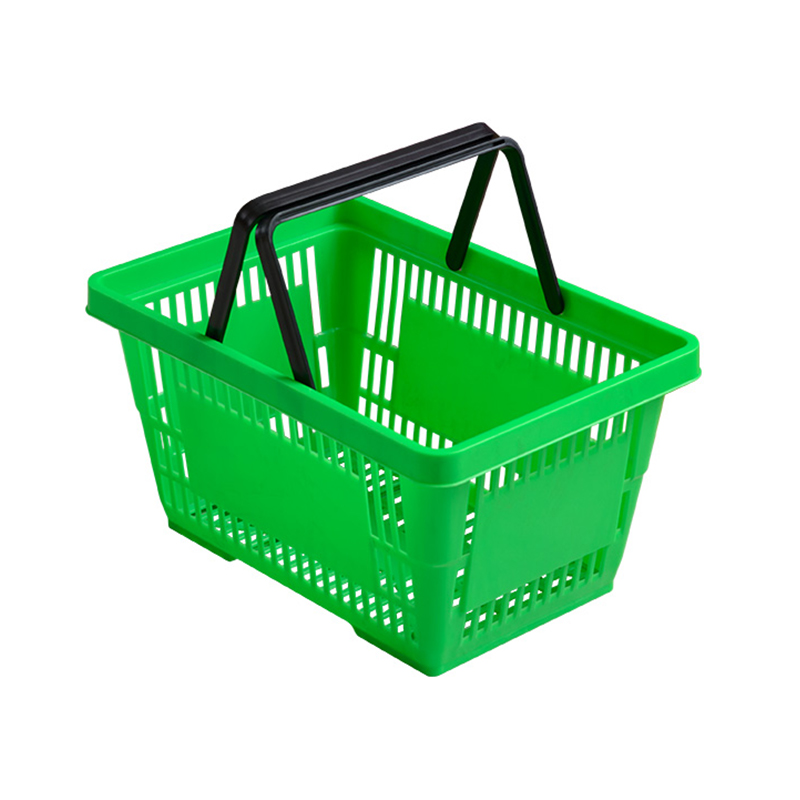
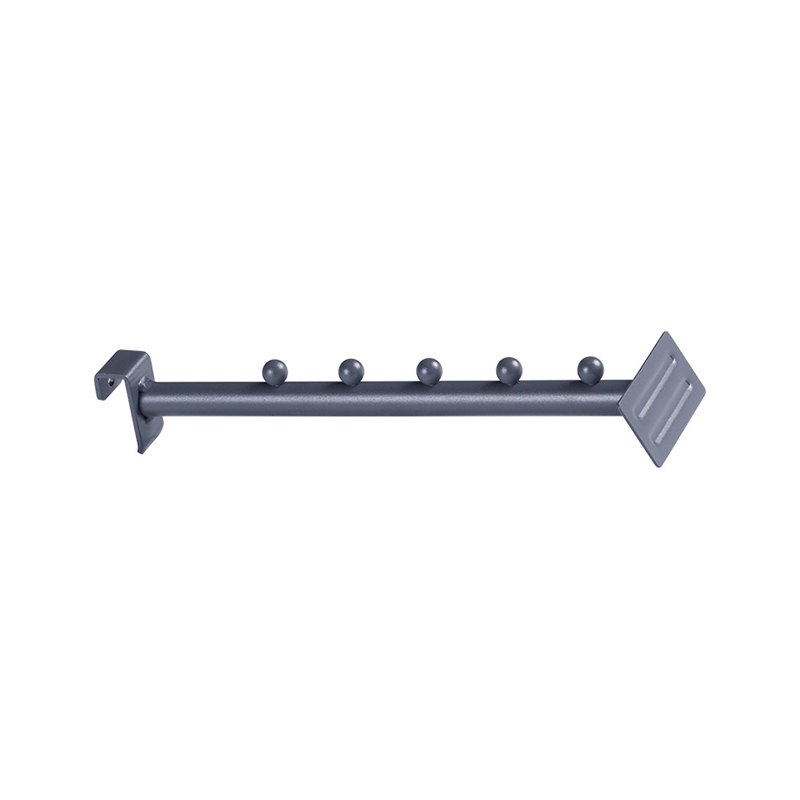
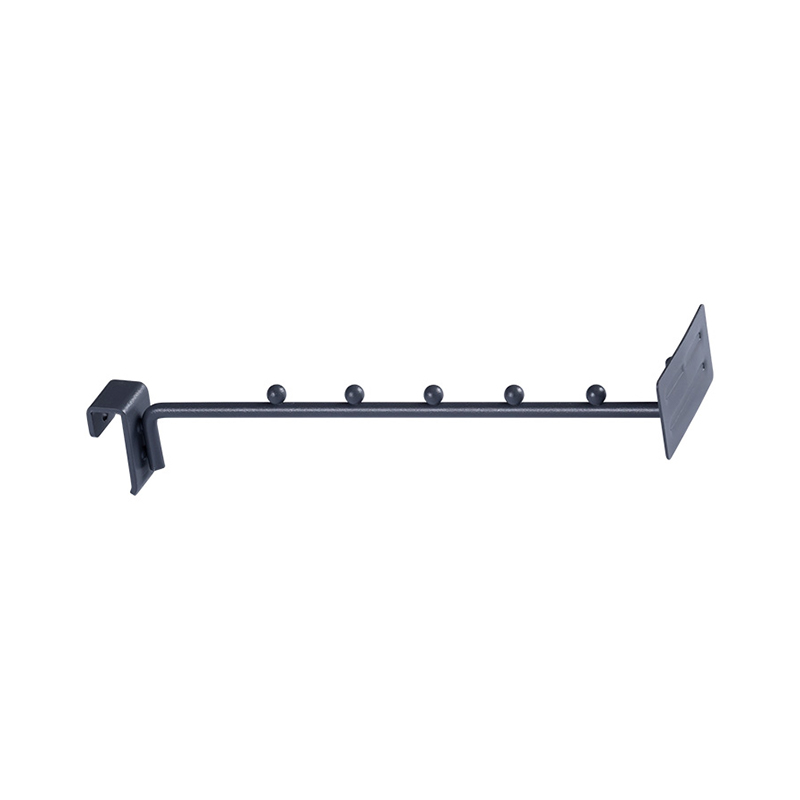
Factories that also produce supermarket shelves, shopping baskets, and display hooks can ship a complete store-fitting package in mixed containers, reducing freight cost per store and simplifying logistics.
Cost, Lead Time, and Delivery Reality
The lowest quoted unit price rarely wins a total landed-cost comparison once container utilization, spare parts, and after-sales response are included. A mid-priced quote from a genuine factory is often the cheapest order in the long run.
- Container loading: nesting carts fit roughly double the quantity per 40-foot high-cube container, cutting freight cost per cart by up to 45 percent.
- Production lead time: standard runs of 500 to 2,000 units typically ship 25 to 40 days after deposit confirmation, before sea freight.
- Mixed SKU containers: combining carts with shelves, baskets, and display racks lowers overall freight cost.
- Spare parts: ask the supplier to define a caster and wheel replacement package; wear items fail before frames.
- Payment terms: confirmed letters of credit or TT splits of 30/70 and 40/60 are standard.
Shopping Cart Sourcing FAQ
What is the typical MOQ for shopping carts from a China factory?
Most factories set a minimum order of 200 to 500 units for standard models, rising to 1,000 pieces for custom colors and branding. Suzhou CERS accepts smaller trial orders on its standard cart line before scaling to container volumes.
What lead time should I expect for a shopping cart order?
Standard production runs 25 to 40 days after deposit approval for up to 2,000 units. Custom colors or logos add 5 to 10 days. Add 15 to 25 days of sea freight to North America or Europe when planning store opening dates.
Can I customize cart color, logo, and basket configuration?
Yes. Powder coating colors, logo placement, basket depth, and caster size can be adjusted, but each color change requires a full coating line cleanup, so factories typically ask for 500 units per color.
How many carts does a new store need?
Retail planning commonly uses one cart for every 10 to 12 customers at peak hour, or 2 to 3 carts per 100 square meters of sales area. A 2,000-square-meter supermarket should plan 60 to 100 carts plus 20 to 30 baskets.
A shopping cart order is a five-year operating decision, not a one-time purchase. Sourcing from a factory that controls welding, coating, and caster assembly in-house gives you consistent quality, shorter lead times, and a partner that can also equip the rest of the store. Start with the specification table above, audit the factory floor, and compare total landed cost rather than unit price.


- Quick Links
- Home
- About Us
- Sustainable
- News
- Contact Us
- Products
- Supermarket shelf
- Storage rack
- Shopping cart
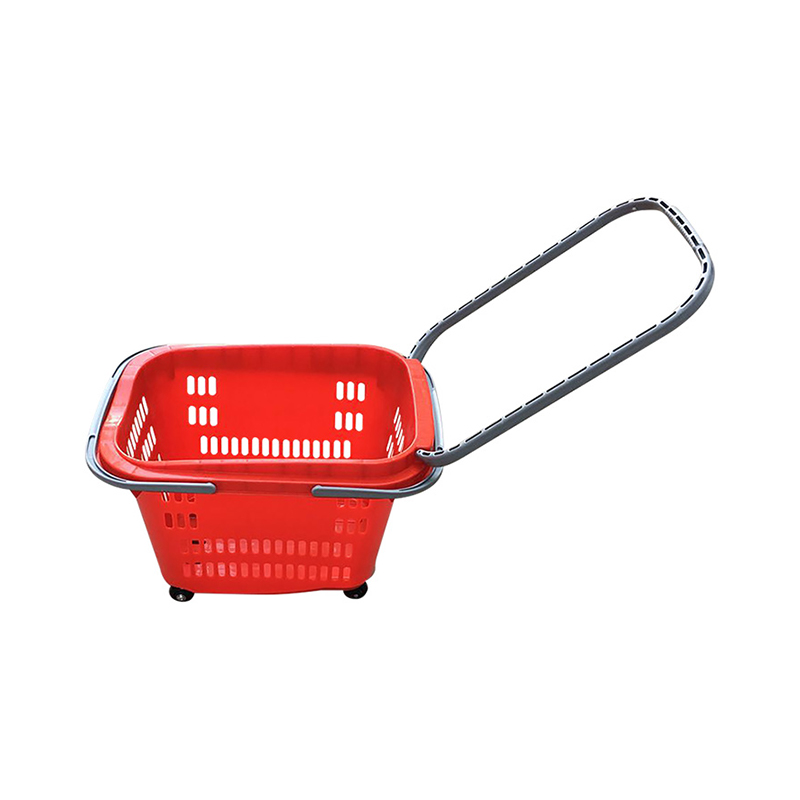
- Shopping basket
- Shelving Accessories
- Display rack
- Contact us
-
-
+86-18852916580

-
[email protected]

-
No. 9 Yongxin Road, Wangzhuang Industrial Park, Shanghu Town, Changshu City, Jiangsu Province, China

-

